



Summary
The establishment of the centre is expected to strengthen Tanzania’s efforts to conserve biodiversity, combat climate change, and promote sustainable management of indigenous forests.
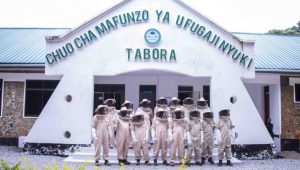
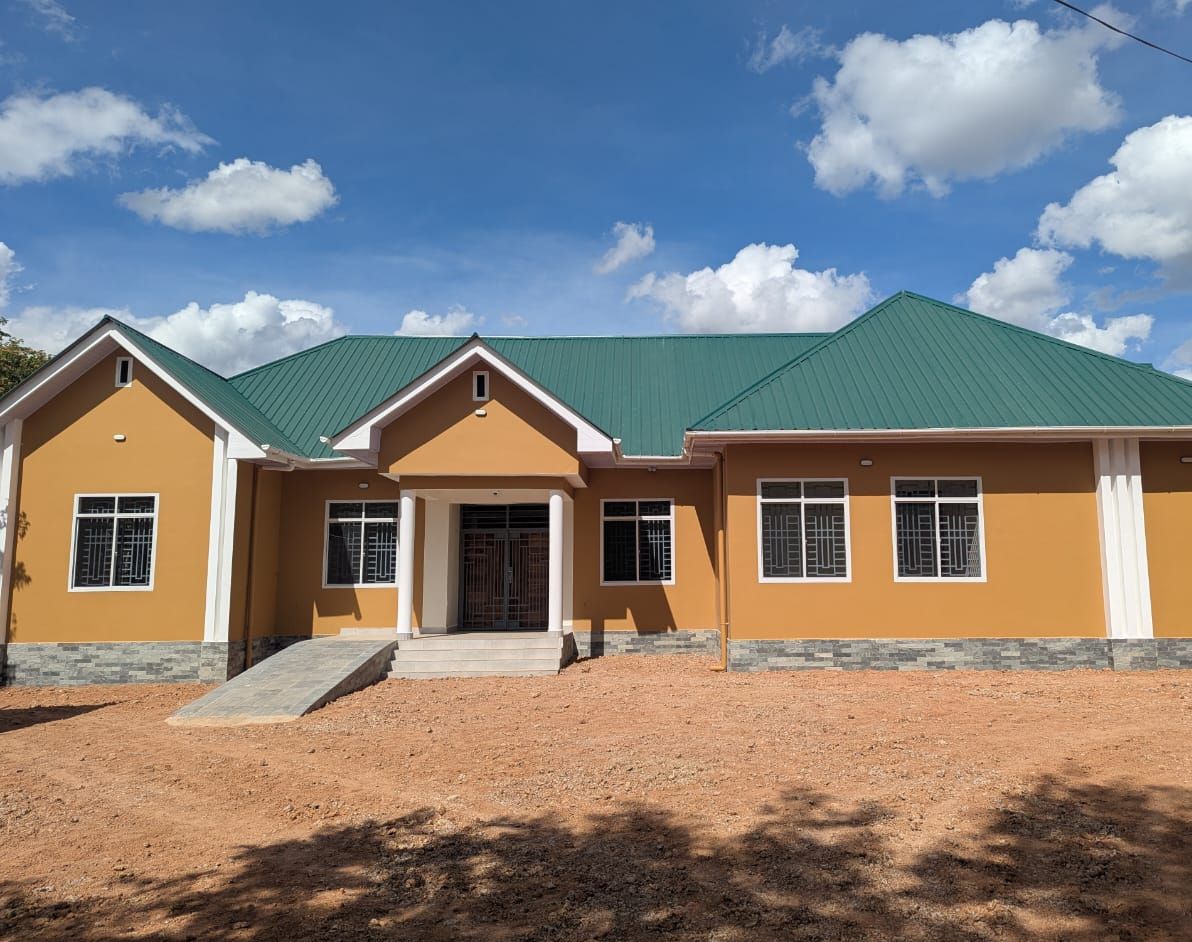
TABORA: THE Global Environment Fund (GEF) has invested more than 550m/- in the construction of a modern tree seed centre in Kaliua District, Tabora Region, aimed at boosting conservation and restoration of indigenous forests in western Tanzania.
The facility, to be operated jointly by the Tanzania Forest Services Agency (TFS) and the Food and Agriculture Organization of the United Nations (FAO), will focus on the production and preservation of seeds for key miombo tree species commonly found in the western zone of the country.
The species include Brachystegia spp, Julbernardia globiflora, Pterocarpus spp, Uapaca kirkiana, and Combretum molle.
Speaking about the project, Kaliua District Forest Conservator (DFC), Mr. Sadock Gobanya, said the centre is expected to play a major role in restoring natural forests and improving environmental conservation efforts across the western regions and neighbouring areas.
According to him, the western zone, comprising Kigoma, Tabora, Katavi (Mpanda), and Shinyanga regions, has in recent years experienced extensive destruction of natural forests due to charcoal production and agricultural expansion, particularly tobacco farming.
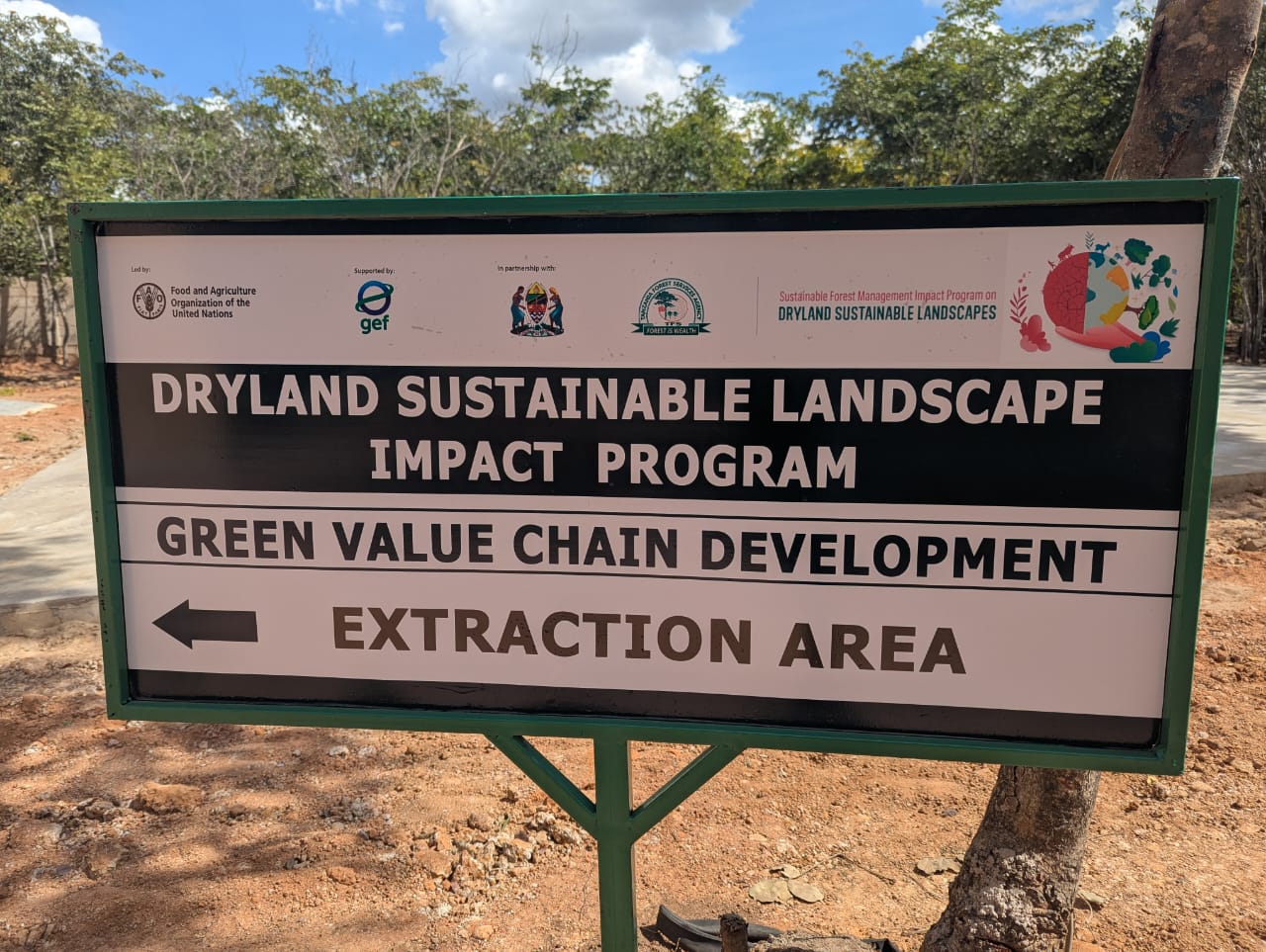
“Apart from producing quality seeds for indigenous tree species, the centre will also serve as a training hub where TFS experts will educate communities on proper tree-growing practices and the importance of conserving natural forests,” he said.
He noted that such initiatives are expected to encourage mass planting of environmentally valuable indigenous tree species throughout the zone.
Mr. Gobanya further explained that natural tree species possess significant economic and environmental value, including high carbon storage capacity and production of durable, high-quality timber.
“Despite their importance, indigenous trees have continued to decline rapidly as plantation tree species expand. This centre is therefore among the strategic interventions aimed at reversing environmental degradation,” he added.
The facility, officially named Tree Seed Centre TFS-Kaliua, has been equipped with modern cloud-connected seed processing technologies.
Mr. Gobanya said the centre contains three key sections dedicated to seed drying, extraction, testing, and storage.
“With the advanced technologies installed at the facility, seeds can be safely stored for more than three years without losing their germination capacity,” he explained.
He added that once fully operational, the centre is expected to create employment opportunities for local residents while also improving household incomes through seed collection and drying, tree nursery development and other major related environmental activities.
As carbon trade continues to emerge as a promising economic sector in Tanzania, Gobanya urged residents in the western zone to utilise the centre as a gateway to benefit from carbon market opportunities.
“For instance, several environmental stakeholders have already visited the area exploring possibilities of investing in carbon trade projects linked to our natural forests, including Igombe River Forest Reserve” he said.
The establishment of the centre is expected to strengthen Tanzania’s efforts to conserve biodiversity, combat climate change, and promote sustainable management of indigenous forests.