


Summary
One of the college’s landmark contributions came during the 2020–2021 Covid-19 pandemic, when its researchers worked alongside the National Laboratory to confirm Tanzania’s first Covid-19 case involving a woman who had arrived from Europe carrying the virus.
By our Correspondent, Morogoro
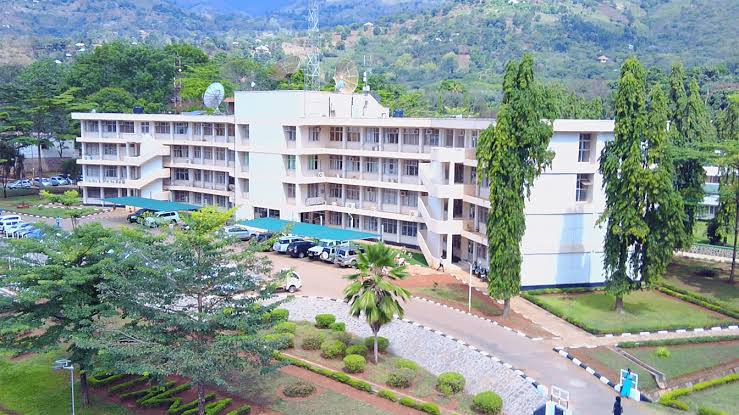
RESEARCH conducted by the Sokoine University of Agriculture (SUA) has significantly strengthened disease surveillance and enhanced the control of animal and infectious diseases in Tanzania and across Africa, reinforcing the university’s position as a leading centre for veterinary and public health research.
Speaking on the achievements of the University’s College of Veterinary Medicine and Biomedical Sciences, the College Principal, Professor Esron Karimuribo, said the institution has made remarkable contributions to veterinary science, disease surveillance and public health since its establishment in 1976.
He said one of the college’s landmark contributions came during the 2020–2021 Covid-19 pandemic, when its researchers worked alongside the National Laboratory to confirm Tanzania’s first Covid-19 case involving a woman who had arrived from Europe carrying the virus.
Prof Karimuribo noted that the college has also developed innovative technologies that have transformed disease surveillance, including the Traveller’s Health System, which has improved the screening and detection of infectious disease risks at airports and other points of entry.
He added that the college’s research has advanced efforts to control bovine tuberculosis, a zoonotic disease that can spread from animals to humans through the consumption of raw or inadequately boiled milk.
“For many years, tuberculosis was believed to spread only through the air. Our research demonstrated that infection can also occur through contaminated milk, providing important scientific evidence that has strengthened disease prevention and public health interventions,” Prof Karimuribo said.
Beyond Tanzania, the college has continued to support disease surveillance and outbreak response across Africa through technical expertise and capacity building.
He revealed that SUA researchers assisted a neighbouring country in strengthening its Covid-19 response after being invited to provide specialised technical support.
“When Covid-19 emerged, the college mobilised its researchers to support laboratory diagnosis and disease surveillance, contributing significantly to the national response,” he said.
Prof Karimuribo further disclosed that in 2023, the Government of Guinea invited SUA’s veterinary disease surveillance experts to help strengthen the country’s animal disease monitoring system.
Leading the assignment, he said the team introduced the AfyaData mobile application, which is now being used to improve disease reporting, early detection and surveillance in the West African nation.
He emphasised that the college’s research and innovations continue to strengthen public health systems, improve preparedness for disease outbreaks and enhance the capacity of African countries to detect and respond to emerging health threats.