






Summary
BTI is among the leading institutions offering technical training in beekeeping at certificate and diploma levels, serving students from Tanzania, the Southern African Development Community (SADC), East Africa, Central Africa, West Africa and other parts of the world.
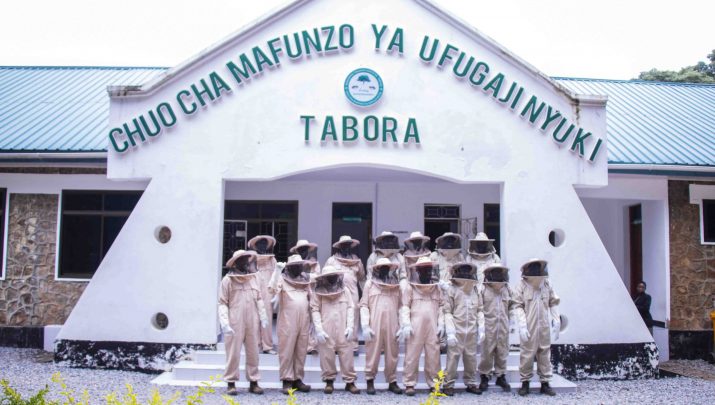
TABORA: THE Tanzania Forest Services Agency (TFS) has invested a total of 540m/- in improving key infrastructure at the Beekeeping Training Institute (BTI) in Tabora, underscoring its commitment to strengthening Tanzania’s apiculture sector.
Mapped within Tanzania’s vast Miombo woodlands in Tabora Region, BTI operates under the Ministry of Natural Resources and Tourism and plays a crucial role in producing skilled professionals for the country’s growing beekeeping industry.
Speaking to ‘The Messenger‘, BTI Principal, Mr. Semu Daud said the institute currently has about 350 students enrolled in certificate and ordinary diploma programmes in beekeeping.
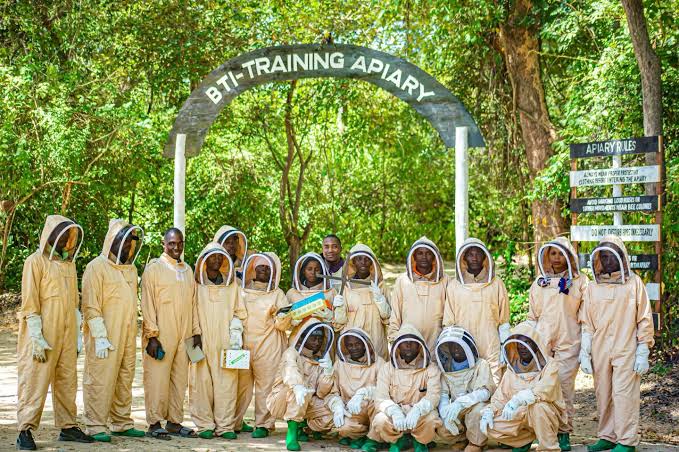
He noted that the institution has witnessed a significant rise in female enrolment in recent years.
“Traditionally, most students joining the institute were male. However, interest among women has increased considerably. Currently, 54 percent of our students are male, while 46 percent are female,” he said.
He expressed that the growing number of students has increased demand for accommodation facilities, lecture halls and transport services.
“We highly appreciate the continued support from TFS, which has enabled us to expand and improve critical infrastructure to accommodate the increasing number of students,” he said.
According to him, TFS allocated 50m/- annually to the institute during the 2022/23, 2023/24, 2024/25 and 2025/26 financial years for infrastructure improvements.
The institute also received 90m/- during the 2020/21 financial year, while TFS provided 100m/- annually in both the 2018/19 and 2019/20 fiscal years.
The Principal highlighted the strong partnership between BTI and TFS, noting that students regularly undertake practical training in forests managed by the agency across the country.
“As part of their practical studies, students manufacture beehives, many of which are purchased by TFS to support beekeeping initiatives,” he said.
He further commended the Ministry of Natural Resources and Tourism and development partners for their continued support in modernising the institute’s training programmes.
“Unlike in the past, we are now offering training through cloud-connected facilities, enabling students to acquire advanced knowledge across the entire beekeeping value chain,” he said.
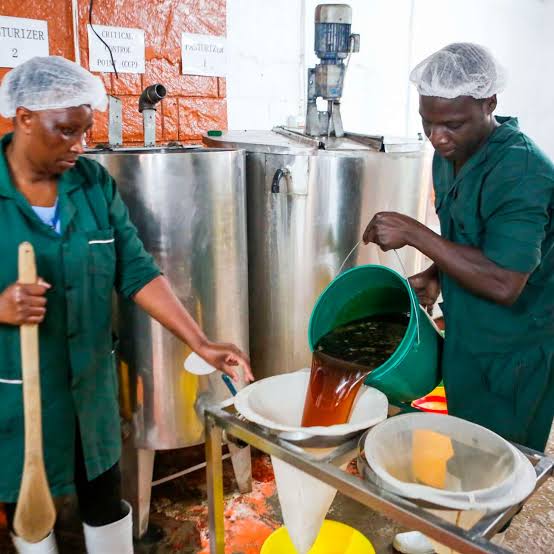
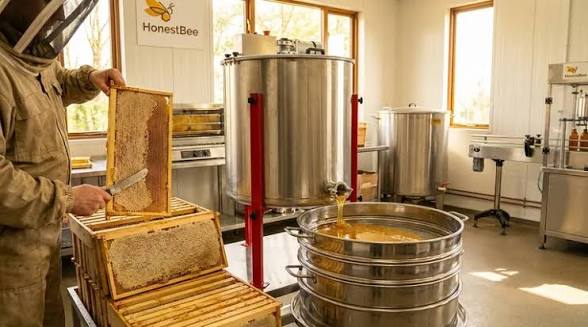
The principal said BTI offers a wide range of courses, including bee farm establishment and management, apiary conservation, beehive construction, bee attraction techniques, honey harvesting and processing, packaging, and marketing.
The institute has also introduced training in apitherapy, a field that explores the therapeutic use of bee products.
“Recently, we sent two members of staff to Romania for specialised training in bee venom therapy, one of the important components of apitherapy,” he explained.
Mr. Daud also expressed gratitude to the European Union (EU) for its substantial support through the Beekeeping Value Chain Support (BEVAC) project.
He said the EU-funded programme, implemented by Enabel, the Belgian Development Agency, invested approximately 2.4bn/- in the institute.
Part of the funding was used to construct a modern multi-storey dormitory for female students.
“The first phase of the dormitory project has been completed successfully, and we are now preparing to implement the second phase through funding from the parent ministry,” he said.
BTI is among the leading institutions offering technical training in beekeeping at certificate and diploma levels, serving students from Tanzania, the Southern African Development Community (SADC), East Africa, Central Africa, West Africa and other parts of the world.
The institute traces its origins to 1949 when British researcher Francis G. Smith established the first Beekeeping Research Centre in the Miombo woodlands of Tabora, at the site where BTI stands today.
When Smith left Tanganyika in 1962, he handed over the facilities to the government’s Beekeeping Department. The centre subsequently served as a training facility for beekeepers, farmers and extension officers from across the country.
Between 1978 and 1993, the government expanded the centre’s role by introducing long-term certificate and diploma courses in beekeeping.
However, in July 1994, the courses were transferred to the Forest Training Institute (FTI) in Olmotonyi, Arusha, as part of government cost-cutting measures.
Recognising the growing importance of beekeeping in economic development and poverty reduction efforts, stakeholders later urged the government to restore the institution in Tabora.
The government, through the Ministry of Natural Resources and Tourism, committed to re-establishing BTI during the Parliamentary Budget Session for the 2007/08 financial year. The institute officially resumed operations in August 2010 and has since grown into one of Africa’s key centres for beekeeping training and research.
With increasing enrolment, modernised training facilities and continued support from government and development partners, BTI is poised to play an even greater role in advancing Tanzania’s beekeeping industry and promoting sustainable forest-based livelihoods.