






Summary
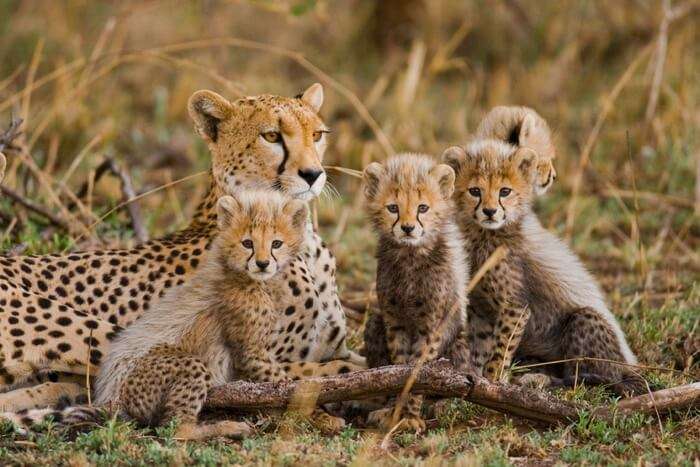
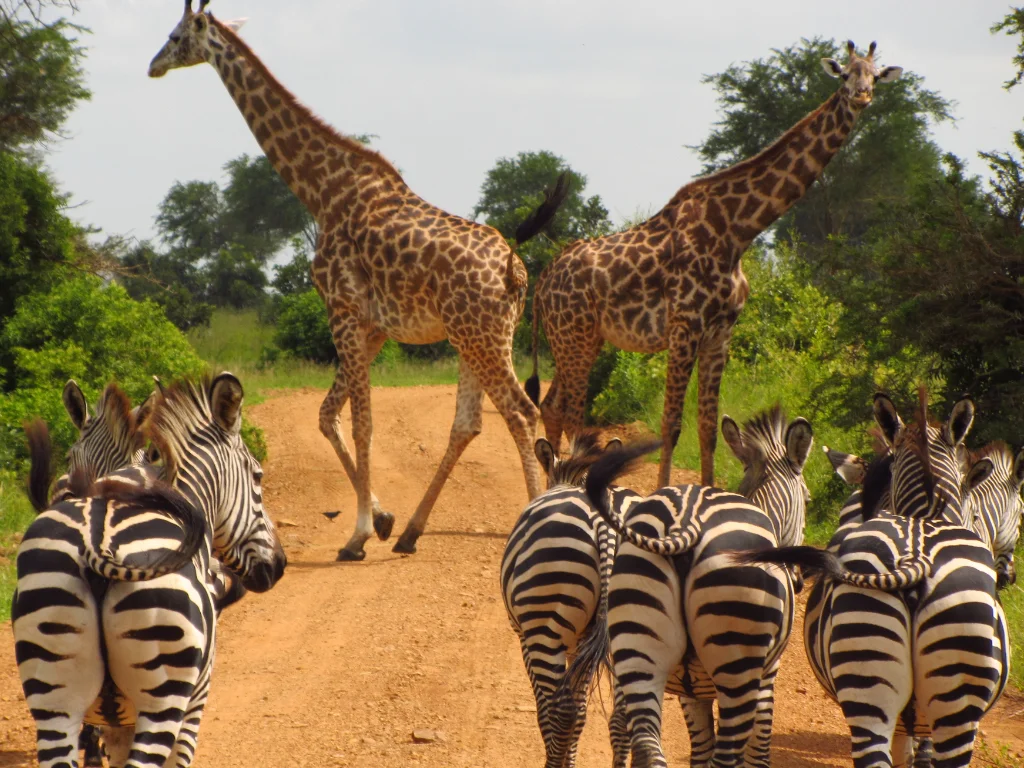
The relevant census, conducted between September 2024 and October 2025 across various ecological systems nationwide indicate the presence of 28 species of medium and large wildlife across different ecosystems and show a positive conservation trend over the past ten years.
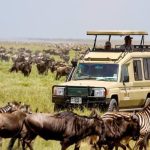
DAR ES SALAAM: Tanzania’s wildlife population has recorded a positive growth trend over the past decade, highlighting the success of ongoing conservation efforts and strengthening the country’s position as one of Africa’s leading wildlife destinations.
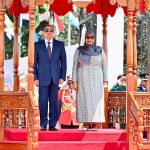
The encouraging findings have been revealed when President Samia Suluhu Hassan received the 2024/2025 National Wildlife Census Report from the Ministry of Natural Resources and Tourism through the Tanzania Wildlife Research Institute (TAWIRI) at the State House in Dar es Salaam.
Speaking after receiving the report, President Samia commended the Ministry and TAWIRI for successfully carrying out the nationwide wildlife census, which for the first time was fully financed by the government.
She noted that, the results reflect significant achievements in wildlife conservation and reaffirm Tanzania’s status among countries endowed with abundant wildlife resources.
“The results of this census show the significant progress made in conservation efforts and confirm that Tanzania remains among the countries blessed with rich wildlife resources,” President Samia said.
She underscored over the need to strengthen public awareness on the importance of conserving natural resources so that Tanzanians can better appreciate the value of the country’s natural heritage and actively participate in protecting it.
The Head of State also emphasized the importance of promoting wildlife education among children and young people by teaching them Kiswahili names of Tanzania’s wildlife species and nurturing a culture of valuing national heritage from an early age.
For her part, the Minister for Natural Resources and Tourism, Dr Ashatu Kijaji, thanked President Samia for supporting the implementation of the census through domestic funding, a move that enabled Tanzania to conduct the exercise using its own resources.
She expressed that the wildlife census, conducted every ten years, aims to determine wildlife population sizes, distribution patterns, population trends and the overall condition of wildlife across the country’s ecosystems.
Dr Kijaji noted that the exercise also helps identify challenges affecting ecosystems and the tourism sector, while providing critical information for planning, conservation and sustainable management of wildlife resources.
According to the report, the census was conducted between September 2024 and October 2025 across various ecological systems nationwide.
“The findings indicate the presence of 28 species of medium and large wildlife across different ecosystems and show a positive conservation trend over the past ten years,” Dr Kijaji said.
She added that the report demonstrates encouraging progress compared to the situation recorded a decade ago, suggesting that continued efforts to protect wildlife habitats, combat poaching and strengthen conservation programmes are yielding positive results.
“The census findings are expected to provide valuable data for policy formulation, conservation planning and tourism development, a sector that remains one of Tanzania’s key economic pillars,” she said.
Dr Kijaji further noted that the detailed census results will be officially released at a later date.