







Summary
The forest is a paradise for birdwatchers, hosting more than 300 recorded bird species, alongside diverse wildlife such as black-and-white colobus monkeys, blue monkeys, and olive baboons.
ARUSHA: MERU Forest Plantation, part of the Meru-Usa Nature Forest Reserve, has generated a total of 3.8bn/- during the 2025/26 financial year, surpassing its revenue target by more than 100m/-.
The state-owned forest plantation, which operates under the Tanzania Forest Services Agency (TFS), had initially targeted to collect 3.5bn/- during the period.
The revenue was generated through various economic activities undertaken within the plantation’s 8,170-hectare protected ecosystem, located on the middle slopes of Mount Meru in Arusha region.
These activities include ecotourism, the sale and transportation of timber logs, and the collection of other statutory fees and charges.
Speaking on the achievement, Meru Forest Plantation Senior Conservation Officer, Mr. Hernes Madata, attributed the impressive performance to the growing popularity of the area’s ecotourism attractions.
“During the 2025/26 financial year, we received about 500 local and international visitors. This significantly contributed to the increase in revenue collection,” he said.
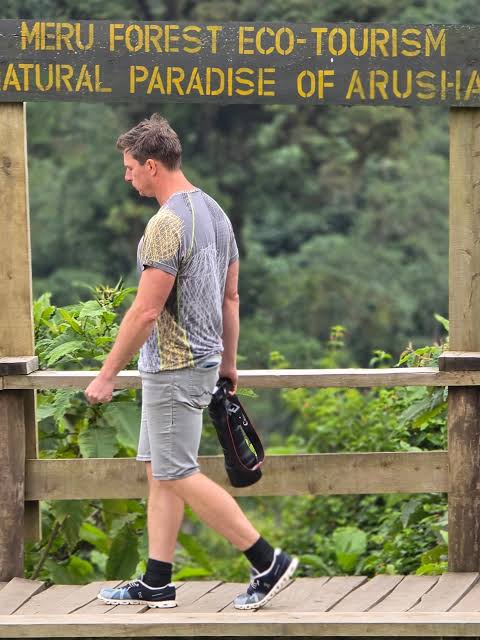
Madata explained that the plantation offers a wide range of ecotourism activities, including trekking and hiking, silent forest meditation walks, summit hikes to Sambasha Hill, and panoramic viewpoints overlooking Mount Meru and Arusha City.
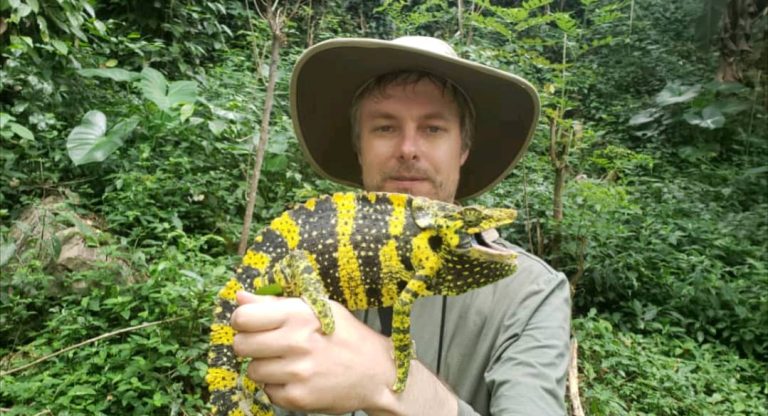
He added that the forest is a paradise for birdwatchers, hosting more than 300 recorded bird species, alongside diverse wildlife such as black-and-white colobus monkeys, blue monkeys, and olive baboons.
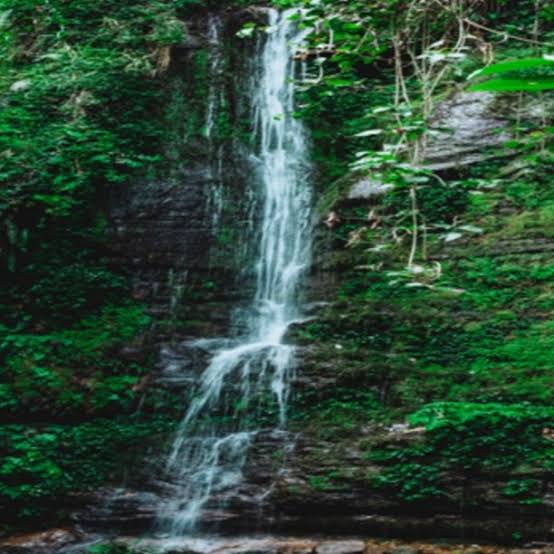
Another major attraction is the Napuru Waterfall, a spectacular 78-metre-high single-drop waterfall that provides opportunities for swimming, photography, and nature exploration.
“We are currently implementing a series of initiatives aimed at promoting these attractions to the global ecotourism market in order to attract more visitors in the coming years,” Madata said.
The plantation also offers adventure tourism experiences, including off-road quad biking tours through rugged forest trails that pass local villages and banana plantations.
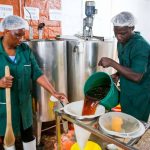
Visitors can further enjoy traditional food preparation experiences and cultural exchanges with local Wameru and Maasai communities.
According to Madata, the plantation has recently upgraded its tourism infrastructure, including camping facilities and picnic sites, positioning it to accommodate a growing number of visitors.
“The plantation features extensive man-made forests dominated by Cupressus lusitanica and Pinus patula, which are interspersed with dense indigenous montane forests,” he noted.
Established as a forest reserve in 1920, Meru Forest Plantation serves as an important water catchment area and a leading ecotourism destination renowned for its rich biodiversity, waterfalls, and cultural heritage.
The reserve lies at elevations ranging between 1,500 and 2,500 metres above sea level on the slopes of Mount Meru.
Looking ahead, Madata revealed that the plantation plans to diversify its revenue streams through the introduction of a pine resin tapping project, for which a potential investor has already been identified.
“Once operational, the project is expected to generate at least 1bn/- annually, further strengthening the plantation’s contribution to the national economy and forest conservation efforts,” he said.