





Summary
Tanzania highly values the support UN Tourism has continued to provide to member states, including Tanzania, in promoting sustainable tourism and fostering inclusive economic growth.
SPAIN: TANZANIA has reaffirmed its commitment to working closely with the United Nations Tourism Organization (UN Tourism) and the international community to advance sustainable tourism development, while commending the organization for its continued leadership in coordinating and promoting global tourism initiatives.
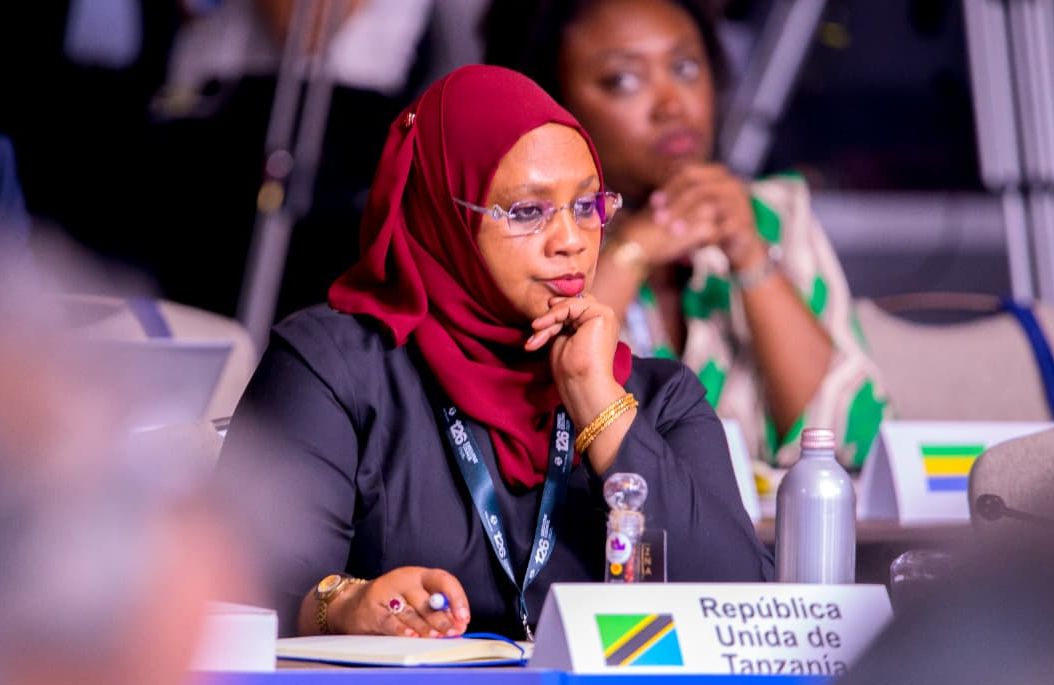
Speaking during the 126th Session of the UN Tourism Executive Council held in Toledo, Spain, the Minister for Natural Resources and Tourism, Dr. Ashatu Kijaji, praised UN Tourism and its leadership for providing a clear strategic direction for the future of the global tourism industry.
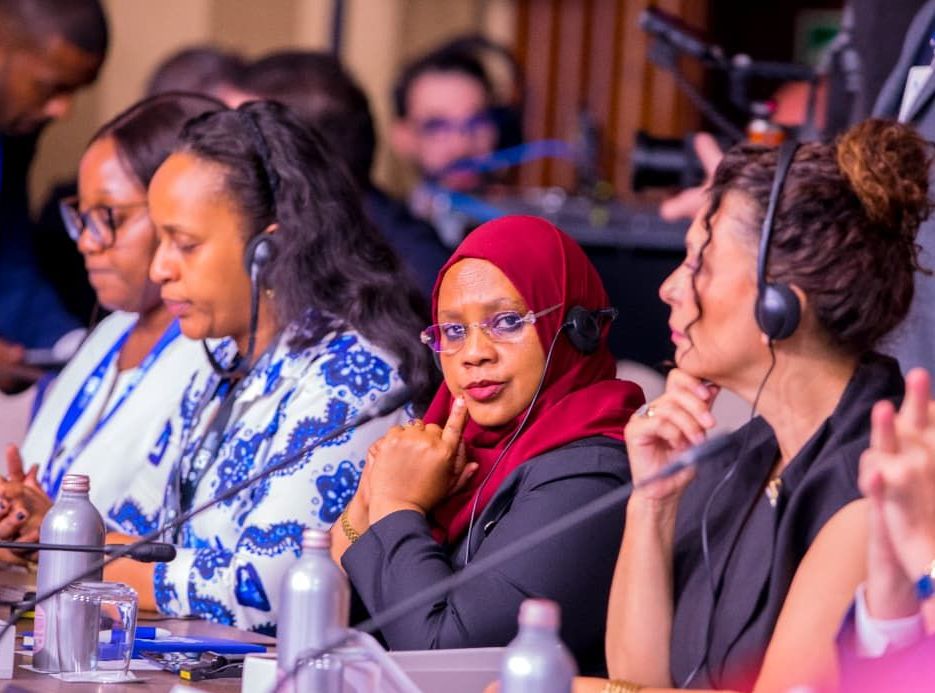
Dr. Kijaji said the organization’s Management Vision for 2026–2029 demonstrates strong leadership and a well-defined roadmap for implementing the global tourism development agenda.
She noted that Tanzania highly values the support UN Tourism has continued to provide to member states, including Tanzania, in promoting sustainable tourism and fostering inclusive economic growth.
Dr Kijaji highlighted the positive impact of various tourism development initiatives supported by UN Tourism, particularly the rural tourism development programme, which has significantly improved livelihoods, created economic opportunities, and enhanced the welfare of local communities.
“These initiatives clearly demonstrate the power of tourism as a catalyst for inclusive and sustainable development, especially for communities living around tourism attractions,” she expressed.
The Minister insisted that Tanzania will continue collaborating closely with UN Tourism and fellow member states to build a resilient tourism sector capable of contributing significantly to economic growth, environmental conservation, and community well-being.
She further expressed Tanzania’s readiness to strengthen cooperation with the organization to ensure the successful implementation of tourism development strategies and achievement of shared objectives.
Addressing the implementation of UN Tourism’s global work programme on climate change, Dr. Kijaji said the government of Tanzania remains committed to enhancing climate resilience in wildlife and coastal tourism destinations through sustainable management practices and effective adaptation measures.
She added that strengthening the resilience of tourism destinations is essential for safeguarding jobs and incomes, protecting biodiversity, and ensuring the long-term sustainability of the tourism sector, which remains one of the key pillars of Tanzania’s economy.
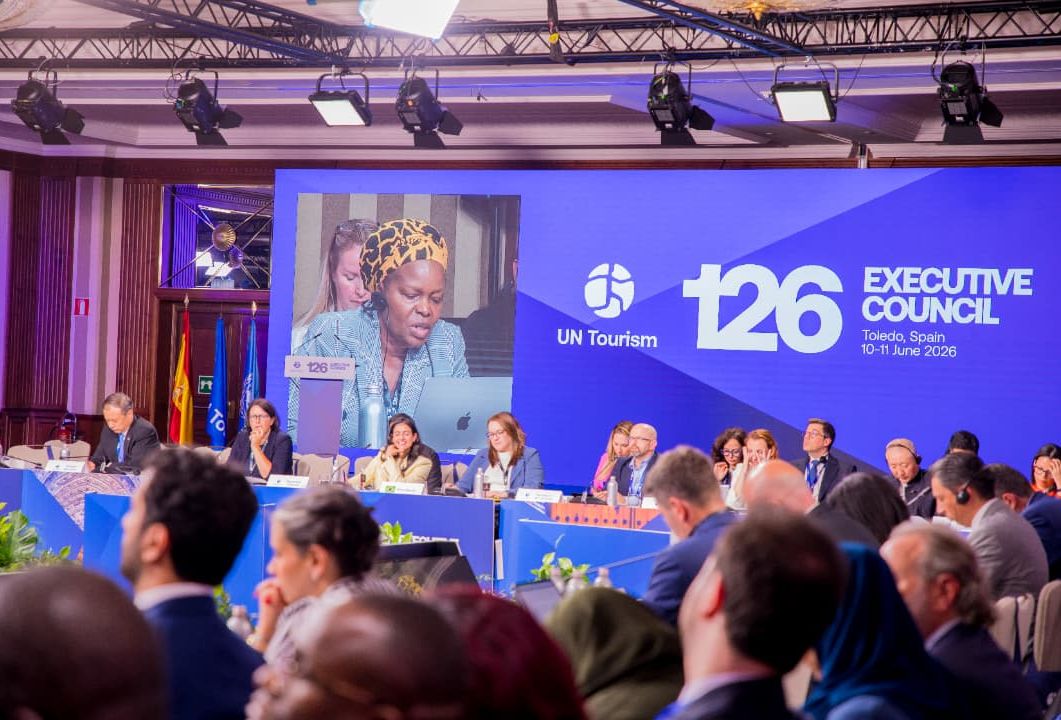
Dr. Kijaji represented Tanzania at the official opening of the 126th Session of the UN Tourism Executive Council, which brought together tourism ministers, ambassadors, and industry leaders from 35 member countries to discuss the organization’s strategic direction under the incoming leadership of its new Secretary-General.
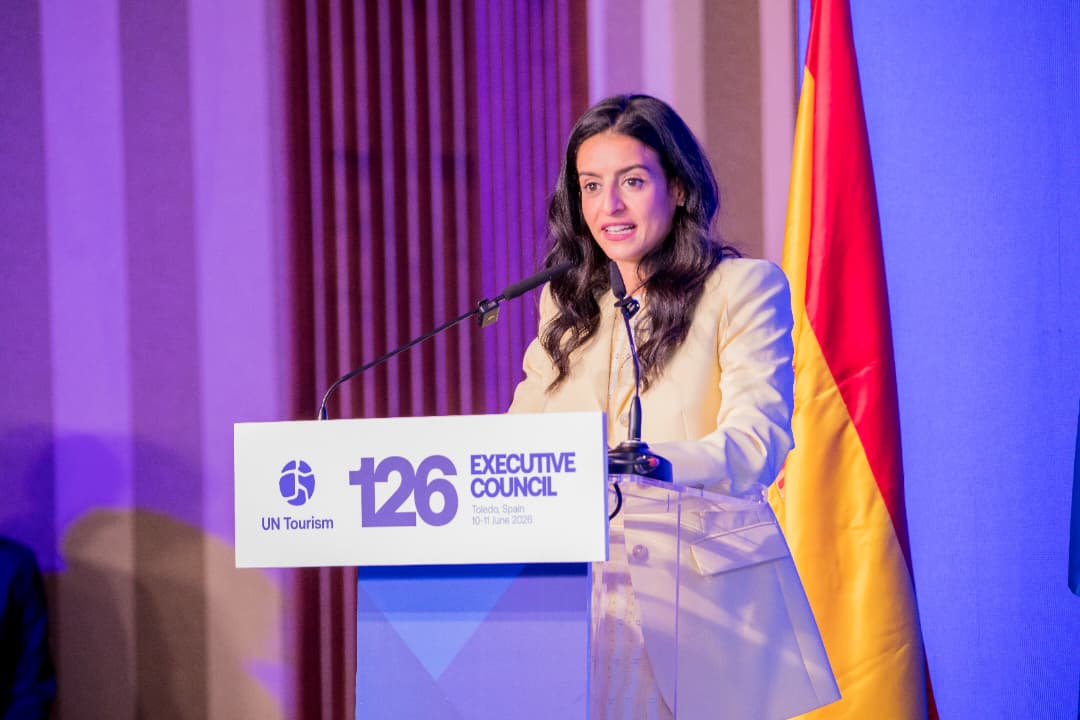
During the opening ceremony, the newly elected Secretary-General of UN Tourism, Shaikha Nasser Al Nowais, presented the organization’s four-year management vision for the period 2026–2029.
The vision focuses on strengthening institutional foundations, promoting transparency and accountability, and ensuring the delivery of meaningful and measurable results for member states.
According to Al Nowais, the new administration will be guided by three core principles: building strong and enduring institutional foundations, placing member states at the center of decision-making and implementation processes, and ensuring high-quality service delivery.
The organization has also identified four key priorities for the 2026–2029 period: Foundations, Partnerships, Skills Development, and Sustainability.
“The first step in this new era is strengthening the foundations of our organization. No priority can be effectively achieved without a transparent institution, sound financial discipline, and robust accountability systems,”Al Nowais stated.
She further underscored the significant role tourism plays in the global economy, noting that the sector contributes approximately 10 percent of the world’s Gross Domestic Product (GDP) and supports millions of jobs across the globe.
According to her, the continued success of the tourism industry depends on strong institutions, effective governance systems, and close cooperation among member states.
Tanzania’s participation in the 126th Session of the UN Tourism Executive Council further strengthens the country’s presence on international tourism platforms and reflects efforts and commitment by the government to promoting tourism as a key driver of sustainable development and economic transformation.
The two-day meeting focused on shaping the future direction of global tourism and strengthening cooperation among member states in addressing emerging challenges and opportunities in the sector.