





Summary
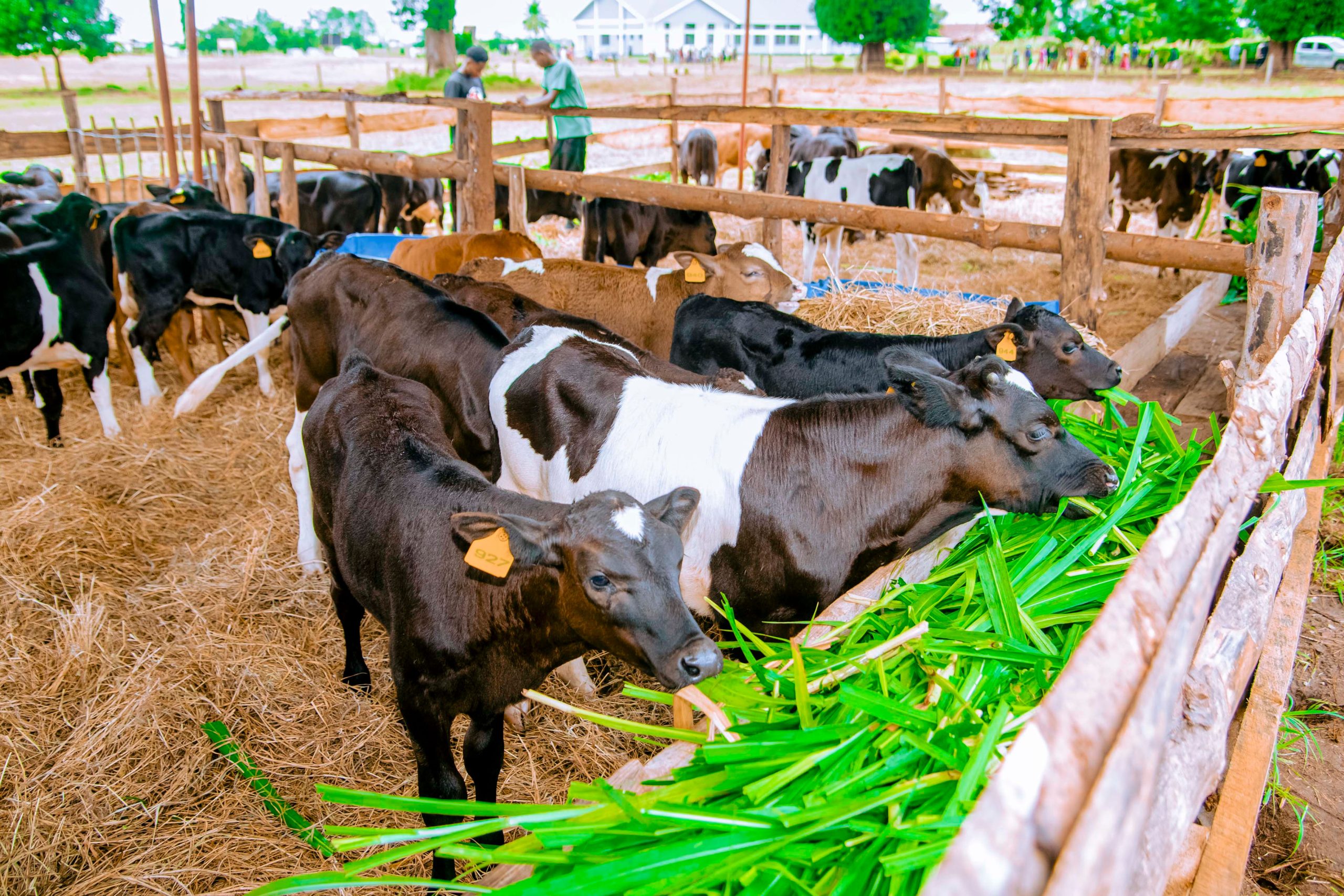
Through the project, farmers have been introduced to improved livestock technologies, better pasture management practices, strengthened extension services and comprehensive training programmes. As a result, milk production has increased to an average of 15 litres per cow per day in many of the project-supported areas
TANGA: TANZANIA has expressed its commitment to extending its partnership with Ireland through the implementation of the second phase of the Maziwa Faida Project, a major initiative aimed at transforming the country’s dairy industry.
The five-year programme, scheduled for implementation from 2027 to 2032, seeks to support Tanzania in adopting cloud-connected technologies and modern dairy farming practices to enhance productivity and efficiency across the sector.
The project is an initiative of Ireland’s Agriculture and Food Development Authority (TEAGASC), Moorepark Ireland, and is funded by the Irish Embassy in Tanzania with an investment of €3 million (approximately 7bn/-).
Under the partnership, the Tanzania Livestock Research Institute (TALIRI) has been working closely with TEAGASC to build on significant achievements already recorded in strengthening dairy production, improving productivity, and enhancing the livelihoods of livestock keepers across the country.
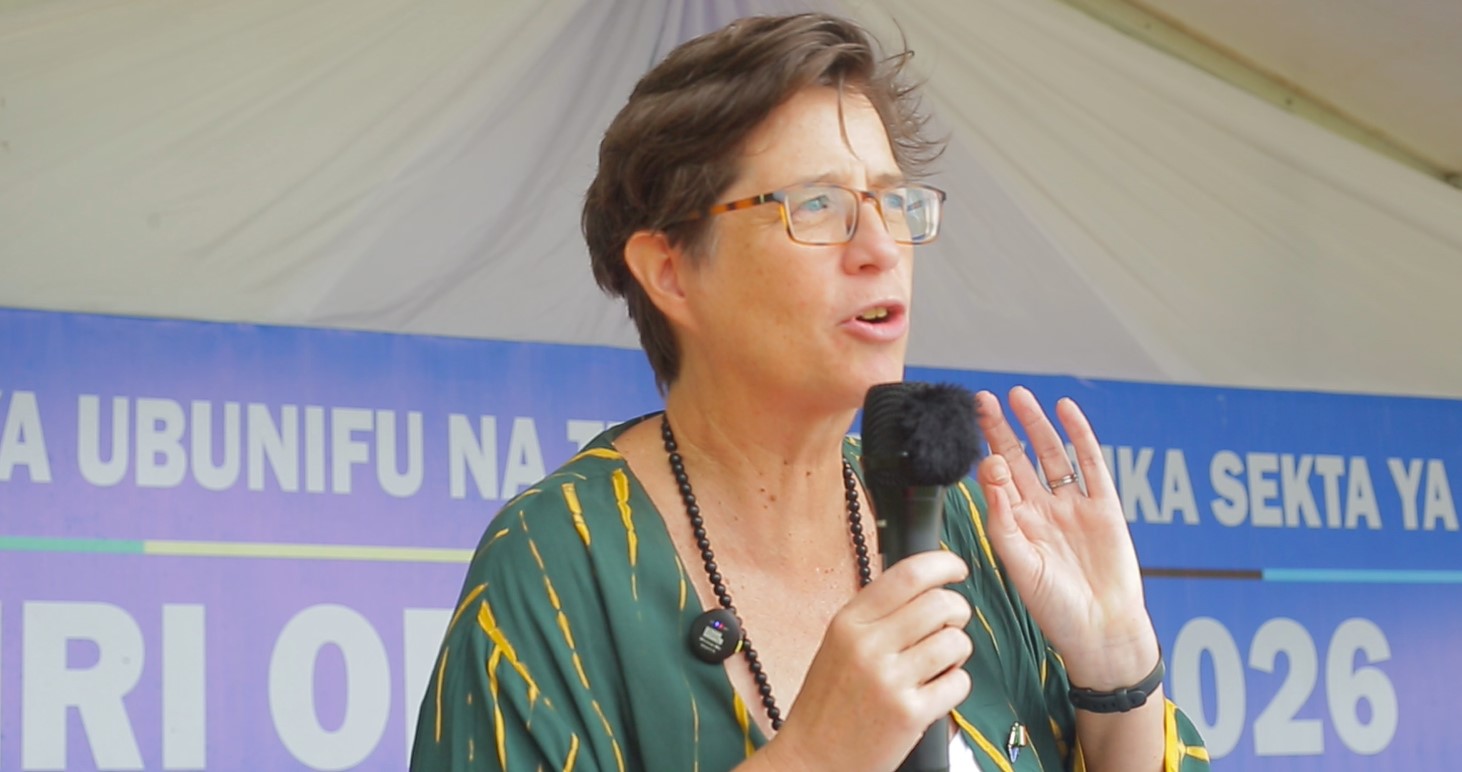
Ms Suzanne Keatinge
The project focuses on strengthening the entire dairy value chain by equipping Tanzanian dairy experts and farmers with knowledge and skills in improved forage production, grassland research systems, and the application of research-based innovations in dairy farming.
It also promotes sustainable grassland management, advisory services, and farmer education programmes, particularly targeting smallholder dairy farmers.
Speaking during the opening of the 2026 Dairy Innovation and Technology Exhibition (TALIRI Open Day) held in Tanga region yesterday, Deputy Permanent Secretary in the Ministry of Livestock and Fisheries, Dr Fabian Madele, said the project had brought transformative changes to the dairy sector, particularly in Tanga Region, during its first phase.
He noted that before the project was launched, many dairy farmers were producing an average of only three to five litres of milk per cow per day.
“Through the project, farmers have been introduced to improved livestock technologies, better pasture management practices, strengthened extension services and comprehensive training programmes. As a result, milk production has increased to an average of 15 litres per cow per day in many of the project-supported areas,” Dr Madele said.
He added that the impressive outcomes demonstrate the critical role of research, innovation and international cooperation in increasing production and productivity, boosting farmers’ incomes, and strengthening food and nutrition security in Tanzania.
Dr Madele revealed that Tanzania currently produces approximately 4.1 billion litres of milk annually, while national demand is estimated at around 13 billion litres per year.
“The significant gap between supply and demand presents enormous investment opportunities in the dairy industry to increase production, meet growing consumer demand and enhance the sector’s contribution to the national economy,” he added.
Representing the Irish Ambassador to Tanzania, Ms Suzanne Keatinge hailed the state- owned livestock research institute for the successful implementation of the project and praised researchers, extension officers and other stakeholders for their contributions to its achievements.
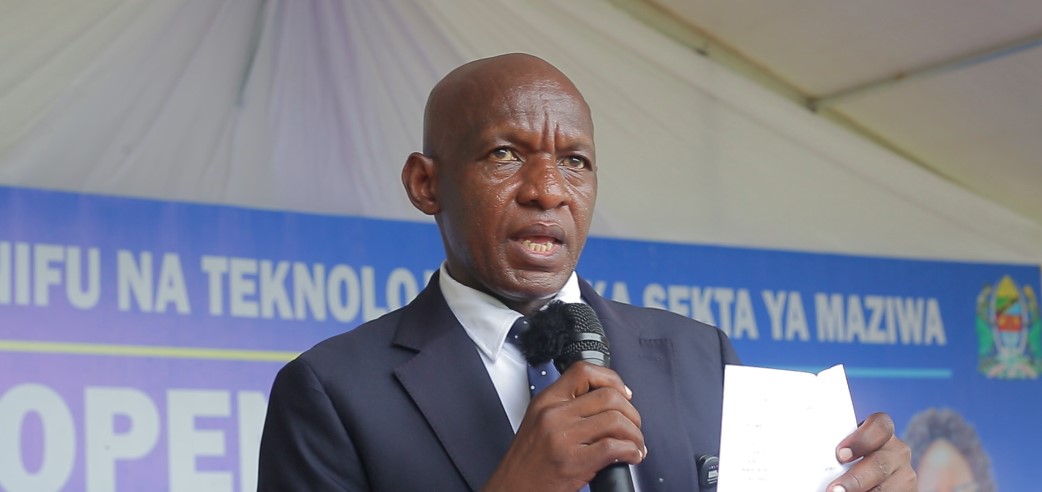
Prof Eric Komba, TALIRI Director General
For his part, TALIRI Director General, Prof. Erick Komba, expressed gratitude to the government of Ireland for its continued financial support, noting that achievements realised during the first phase of the project (2021/2022–2025/2026) have laid a strong foundation for further transformation of Tanzania’s dairy sector.
He added that TALIRI would continue ensuring that research findings, innovations and technologies developed through the project reach more livestock keepers across the country to increase production, productivity and competitiveness within the dairy industry.
“Since its inception, the project has directly benefited more than 3,000 women and youth in Tanzania’s eastern coastal belt, particularly in Muheza District of Tanga Region,” Prof. Komba said.
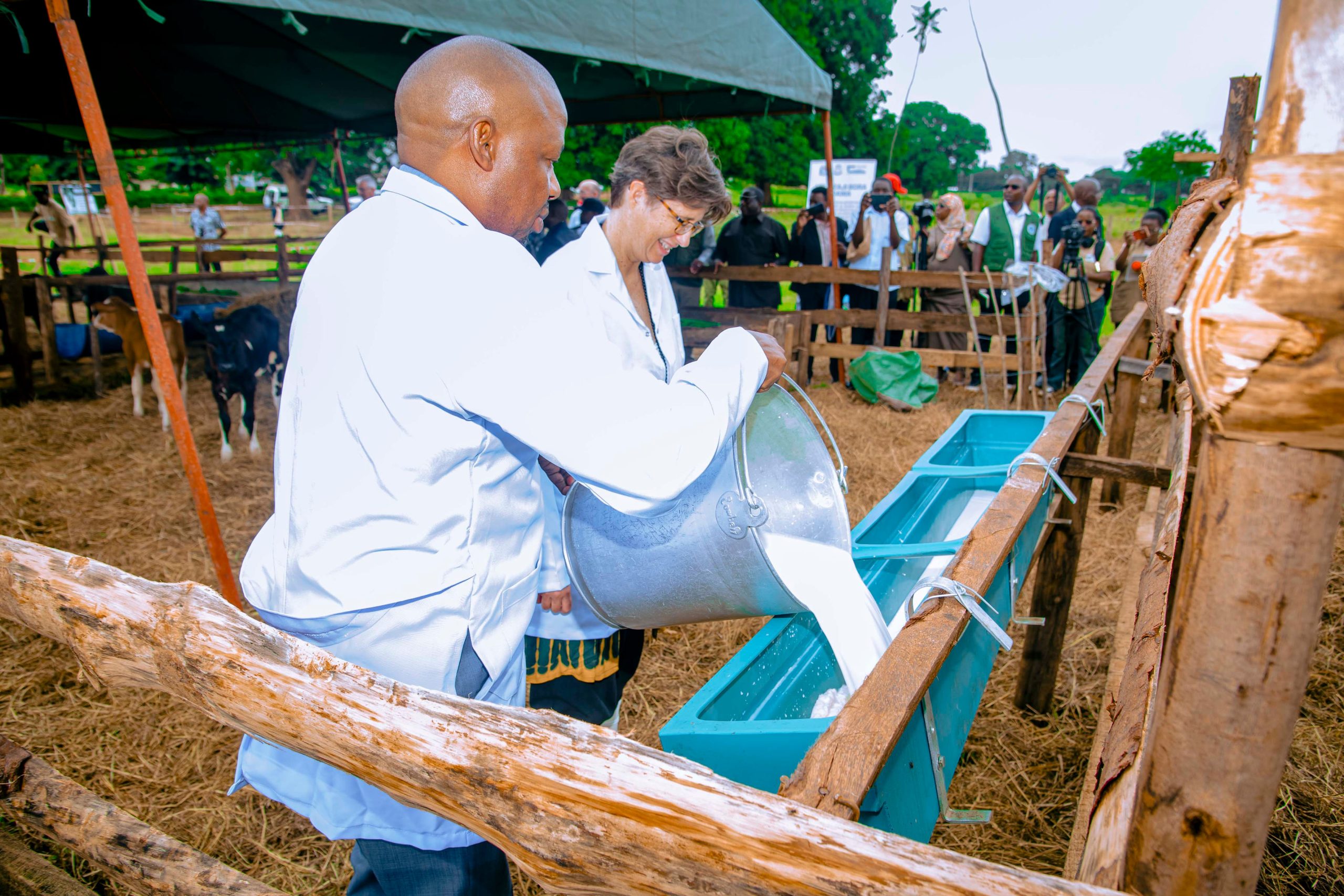
He highlighted several key achievements of the project, including accelerated research on climate-resilient pasture varieties suitable for coastal areas, identification of superior dairy cattle breeds, and extensive capacity-building programmes for extension officers.
“Thousands of dairy farmers have received specialised training through the initiative. Significant progress has also been made in strengthening dairy cooperative societies, improving research infrastructure, and establishing demonstration farms that serve as important centres for learning and the dissemination of modern dairy farming technologies,” he added.
The Maziwa Faida Project is widely regarded as a model development partnership that promotes the application of research and innovation to address dairy production challenges while contributing to the sustainable growth of Tanzania’s livestock sector.