










Summary
In the 2026/27 financial year, TFS has allocated 77m/- for the installation of a modern tourism infrastructures at Igombe dam forest reserve.
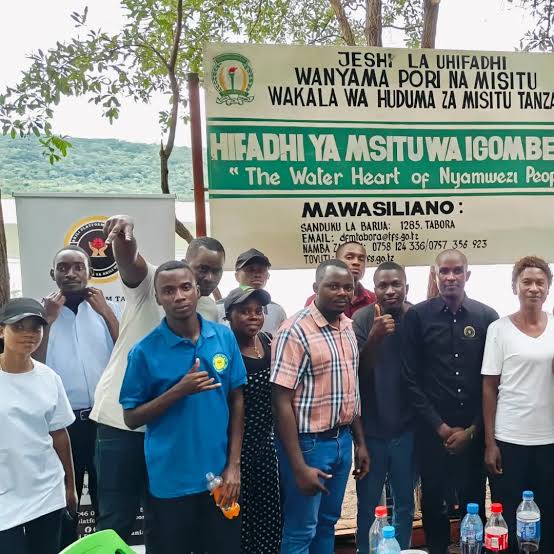
TABORA: THE Tanzani Forest Services (TFS) is set to invest more than 77m/- in a major project aimed at transforming the Igombe Dam Forest Reserve in Tabora region into one of the country’s leading ecotourism destinations.
Mapped about 20km northwest of Tabora municipality, the historic dam was constructed in 1958 during the colonial era primarily to supply water to residents of Tabora.
Today, however, the area is increasingly being recognised for its rich ecological, historical and tourism potential.
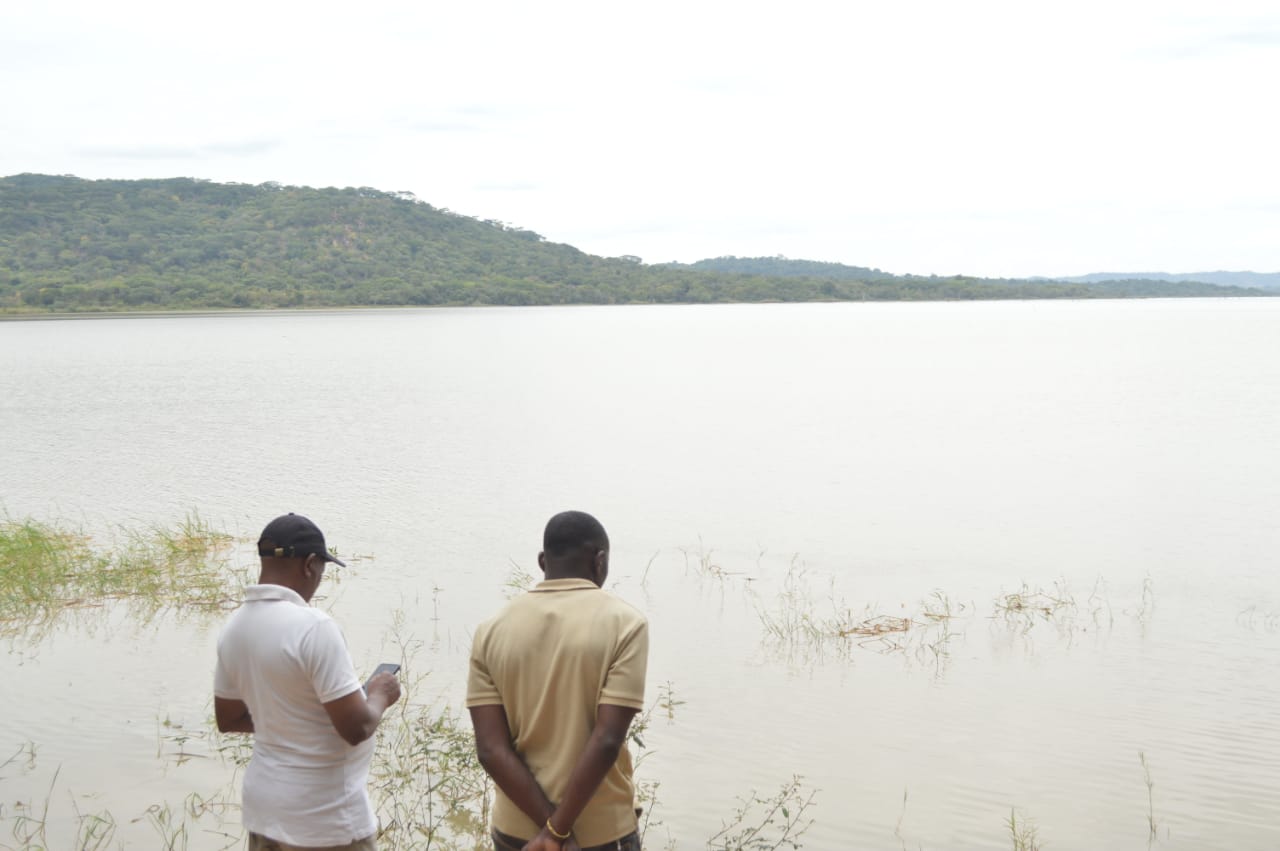
Speaking about the planned development, the Tanzania Forest Services (TFS) District Forest Officer for Tabora District, Aloyce Kilemwa said preparations are underway to establish modern infrastructure that will support ecological tourism activities at the site.
“In the 2026/27 financial year, TFS has allocated 77m/- for the construction of a modern information centre at Igombe dam forest reserve to professionally receive and guide visitors,” Kilemwa said.
He informed that the project will also involve establishment of facilities for improving tourist services and enhancing visitor experiences.
Among the tourism activities planned for the area are boat cruising, sport fishing, guided nature trails around the dam and forest, as well as hiking activities.
Kilemwa noted that the reserve, which is dominated by diverse tree species mainly found in miombo woodlands, also has significant potential for beekeeping development.
“Currently, there are 13 groups engaged in beekeeping activities within the forest reserve, but our long-term goal is to transform the area into a major beekeeping hub,” he said.
As part of efforts to promote the beekeeping sector, TFS also plans to establish a special centre offering apitherapy services, which utilise bee products for health and wellness purposes.

On his part, TFS Forest Conservator of antiquities for Tabora District, Elisa Tushabe, said the reserve is home to various small wild animals, including dik-diks, monkeys and several bird species.
“Visitors will have the opportunity to observe these small animals and enjoy birdwatching tourism, which is one of the unique attractions of the reserve,” he said.
According to Tushabe, the forest is already recognised as an important birdwatching destination and supports diverse flora and fauna associated with the Malagarasi wetlands ecosystem.
He added that the reserve’s surrounding hills and natural landscape provide ideal conditions for hiking, sunrise and sunset viewing, making the area attractive for nature lovers and adventure tourists.
“One of the unique features of this forest is its suitability for meditation tourism, which offers visitors an opportunity for mental relaxation and rejuvenation, something rarely found in many tourism destinations across the country,” he detailed.
At the centre of the reserve, which forms part of the expansive and biodiversity-rich miombo woodland ecosystem, there is also a tree nursery dedicated to nurturing indigenous tree seedlings for conservation and reforestation purposes.
The development of Igombe dam forest reserve forms part of broader government efforts to expand Tanzania’s ecotourism sector following notable achievements in forest conservation and eco-tourism development in recent years.
Recent statistics released by the Minister for Natural Resources and Tourism, Dr Ashatu Kijaji, show that Tanzania recorded 329,753 visitors to forest-based tourist attractions over the past two years, generating more than 3.09bn/- in revenue.
The statistics further indicate that 1,076 tonnes of honey were exported to markets in Europe and the United States during the same period.
Dr Kijaji said the number of tourists visiting forest ecotourism destinations increased by 20 percent over the past two years, while revenue collections rose sharply by 43 percent — from 2.16bn/- to 3.09 bn/-.