








Summary
The initiative forms part of broader government efforts aimed at positioning Tanzania as Africa’s leading tourism destination while increasing the sector’s contribution to national economic growth.
DODOMA: THE minister of Natural Resources and Tourism, Dr Ashatu Kijaji, has outlined a series of strategic initiatives being implemented by the government to further strengthen the country’s tourism industry.
The measures include promoting Tanzania’s tourist attractions in emerging international markets, improving tourism infrastructure, and expanding the range of tourism products available to visitors.
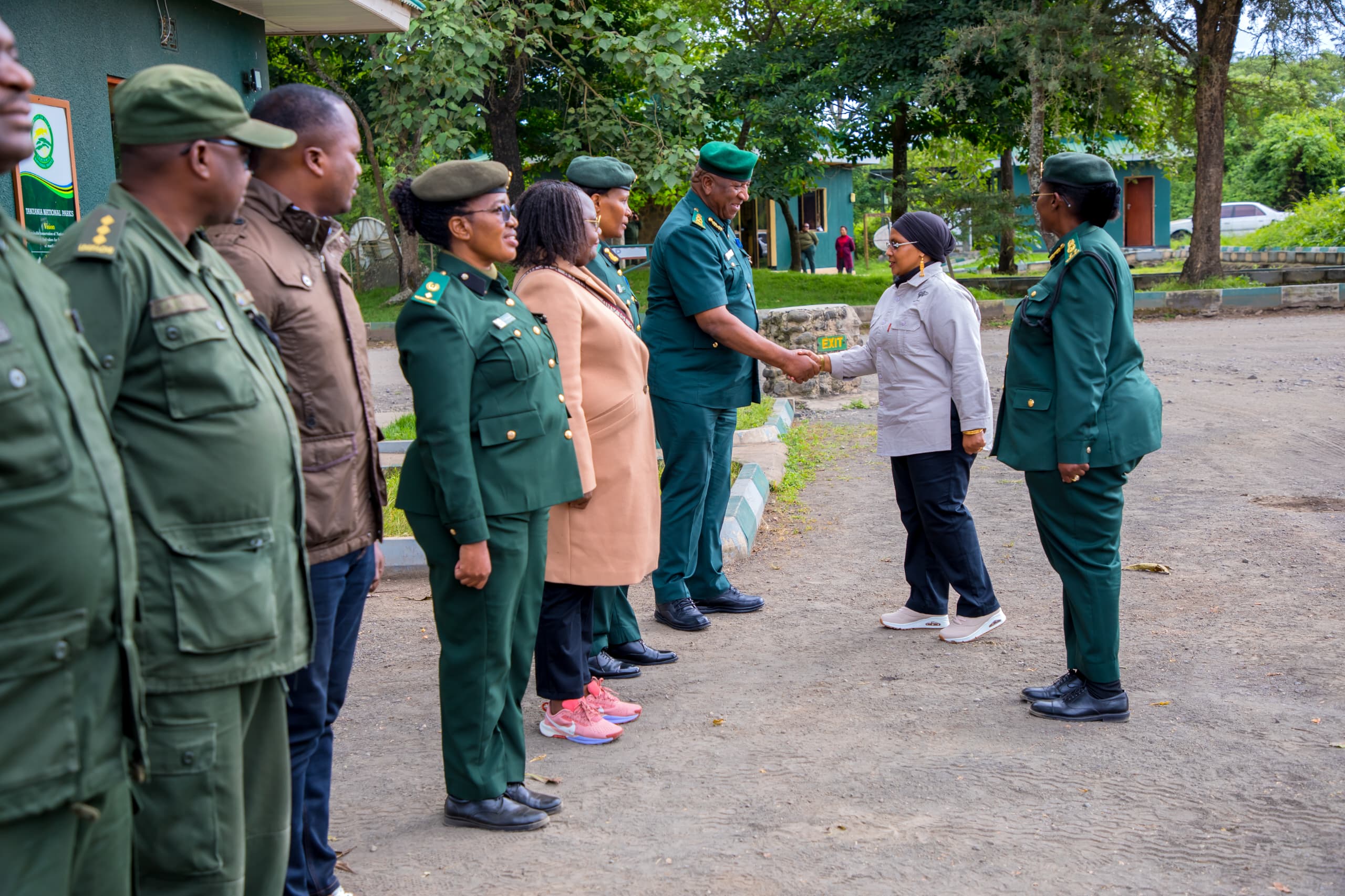
Speaking during a special interview conducted at Arusha National Park Wednesday shortly after participating in the launch of the Tanzania Wildlife Census results, Dr. Kijaji said her ministry has embarked on a targeted campaign to market Tanzania’s tourism attractions in far eastern countries in an effort to attract more visitors from the region.
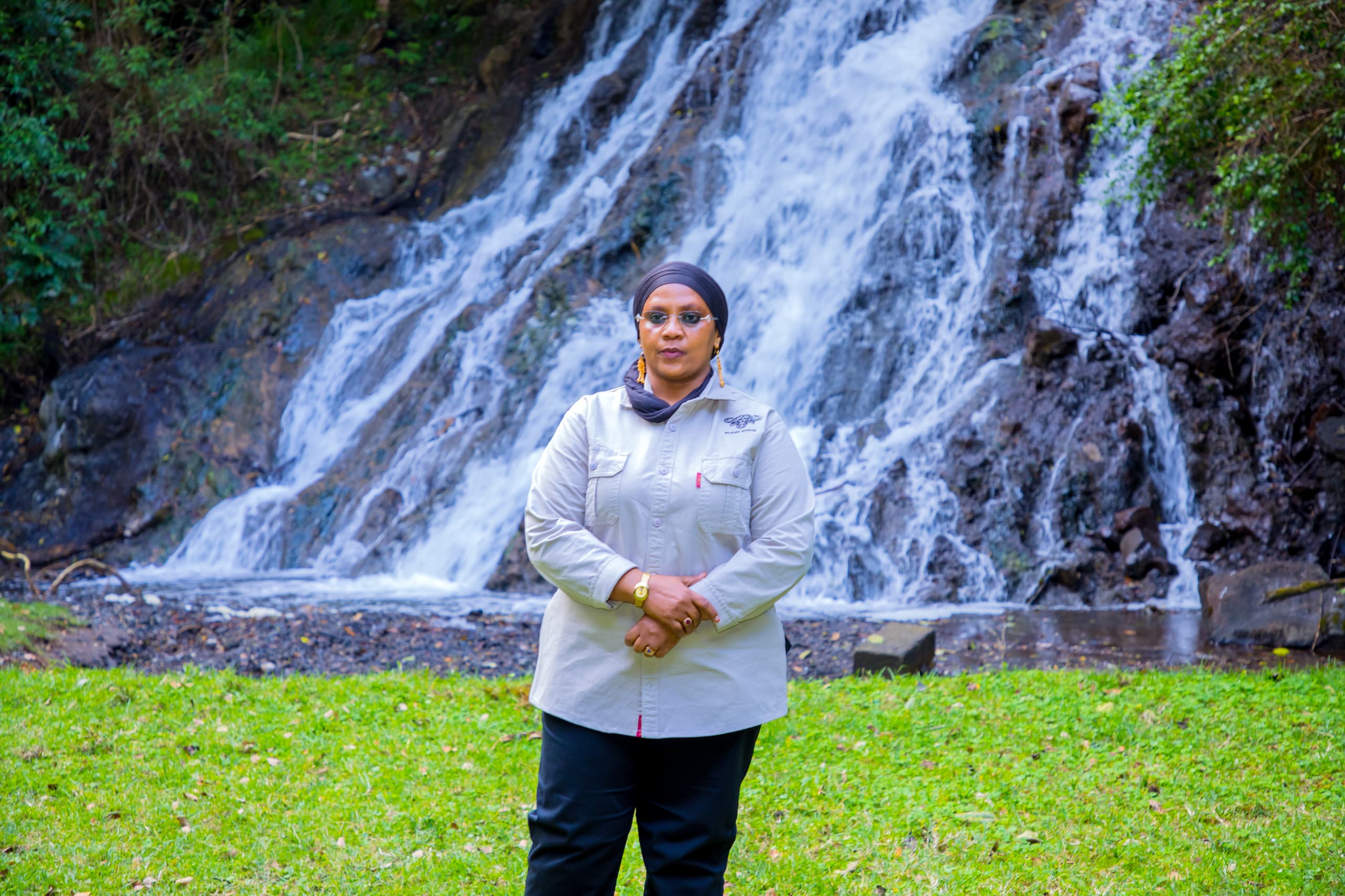
She noted that the initiative forms part of broader government efforts aimed at positioning Tanzania as Africa’s leading tourism destination while increasing the sector’s contribution to national economic growth.
“Our goal is to increase the number of both domestic and international tourists, boost foreign exchange earnings, and create more employment opportunities for Tanzanians,” Dr. Kijaji said.
The minister added that the government’s initial efforts to promote Tanzania’s attractions in far eastern markets have already begun yielding positive results, particularly through a growing influx of tourists from countries such as China.
“We have already witnessed a notable increase in the number of visitors from far eastern countries, especially China, which demonstrates the effectiveness of our marketing campaigns,” she said.
Dr. Kijaji further revealed that the government is diversifying the country’s tourism offerings by investing in alternative tourism products beyond wildlife tourism, which has traditionally dominated the sector.
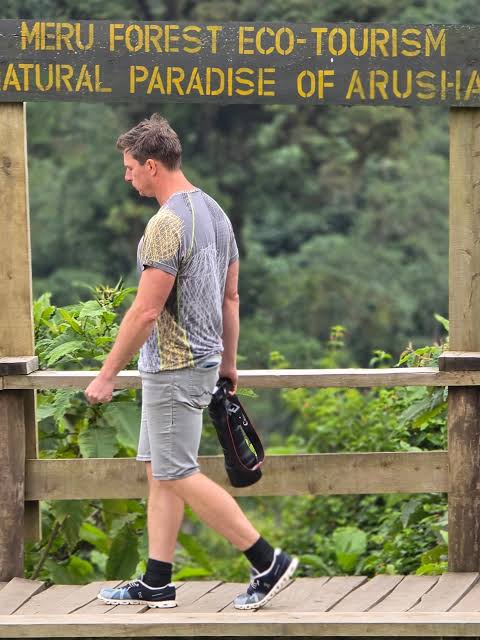
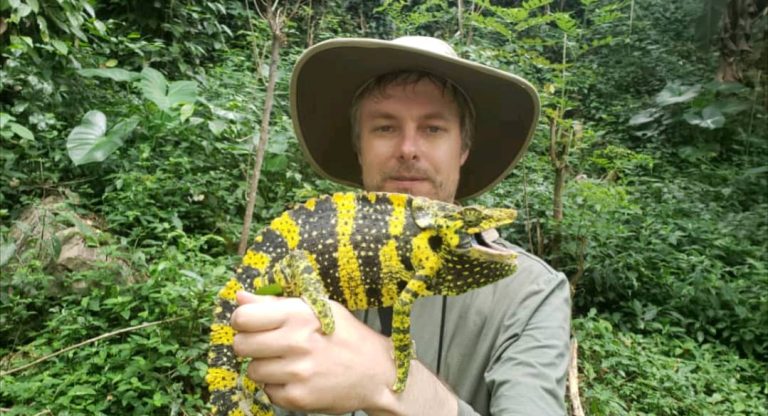
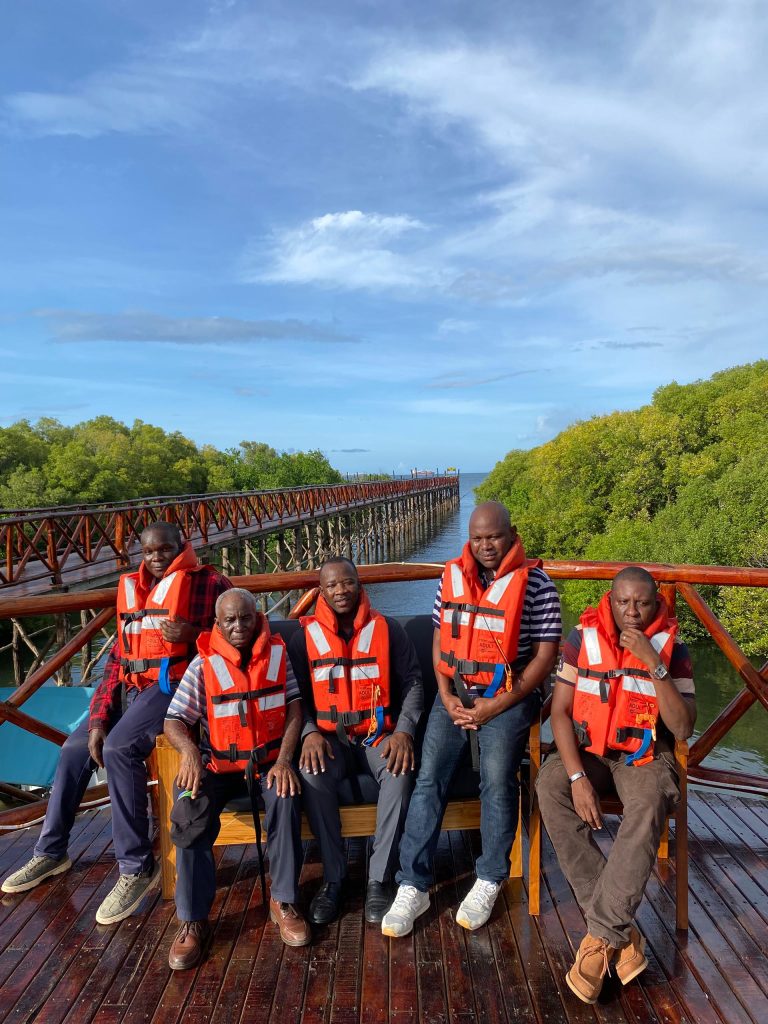
“We are placing significant emphasis on developing and promoting other tourism attractions available across Tanzania, including forest tourism, eco-tourism, cultural tourism, and various unique attractions found in different parts of the country,” she explained.
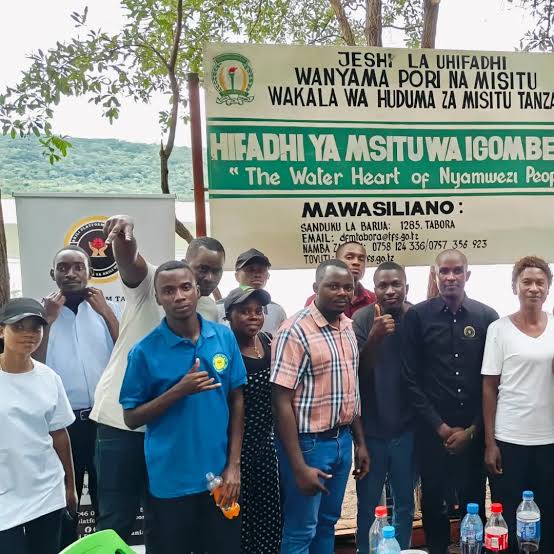
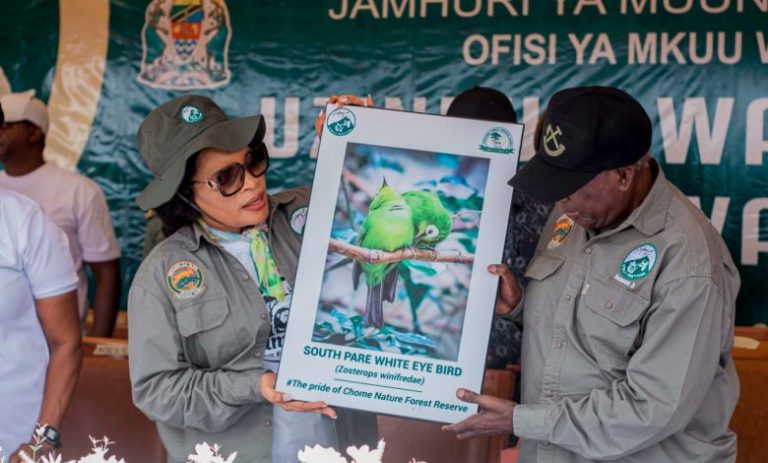
According to Dr Kijaji, an increasing number of tourists are showing interest in visiting forest reserves managed by the Tanzania Forest Services Agency (TFS) for eco-tourism activities.
To support this growing interest, she noted that the parent ministry, in collaboration with TFS, is upgrading critical infrastructure within forest reserves to ensure visitors receive high-quality services that meet international standards.
“We are undertaking major infrastructure improvements in various forest reserves while simultaneously encouraging private sector investment in accommodation, transport, and other tourism-related services,” she revealed.
She also emphasized the government’s commitment to developing tourism attractions across all tourism circuits in the country rather than relying heavily on the northern circuit alone.
“For many years, Tanzania’s tourism industry has been largely concentrated in the northern circuit. We are now determined to develop and promote attractions in all tourism zones across the country to maximize the sector’s contribution to the national economy,” she said.
Dr. Kijaji hailed President Samia Suluhu Hassan for allocating more than 300bn/- towards improvement of tourism infrastructure in the southern circuit, a move that has significantly enhanced services and increased the attractiveness of tourist destinations in the zone
She said one of the major outcomes of the investment has been the construction of modern airports in Nyerere National Park and Ruaha National Park, which have improved accessibility and attracted more tourists to the two renowned conservation areas.
In a related development, Dr. Kijaji stated that the ministry continues to facilitate partnerships between local tourism stakeholders and their international counterparts to accelerate the promotion of Tanzania’s attractions in overseas markets.
She expressed confidence that the ongoing initiatives will strengthen Tanzania’s competitiveness in the global tourism industry and contribute significantly to sustainable economic development through increased tourism revenues, investment opportunities, and job creation.