









Summary
The report presented by the Minister for Natural Resources and Tourism, Ashatu Kijaji, Tanzania continues to demonstrate strong economic potential in the honey industry after successfully exporting 1,076.8 tonnes of honey worth over 12.9bn/- to markets in Europe and the United States.
TANZANIA is expected to earn more than 253m/- this month from newly harvested honey and other bee products produced in the country’s central zone regions of Dodoma, Singida and Manyara.
The projected revenue marks a significant increase compared to the 2024/2025 financial year, when the zone generated about 198m/- from the sale of 16.5 tonnes of honey and related products.
Nationally, Tanzania currently produces an average of 1,076.8 tonnes of honey annually, with exports generating more than 12.9bn/- each year.
According to the Tanzania Forest Services Agency (TFS) Principal Conservator Officer for Beekeeping in the Central Zone, Claudia Kinabo, said the zone is expected to harvest at least 21 tonnes of honey during the current production season.
“The central zone remains among the leading honey-producing areas under TFS because we have conducive forest environments for beekeeping, located far from disruptive human activities, which helps ensure production of high-quality and natural honey,” she said.
Kinabo explained that the zone operates five major bee farms located in Singida and Kondoa districts, areas renowned for their favourable apiculture conditions and high-quality honey production.
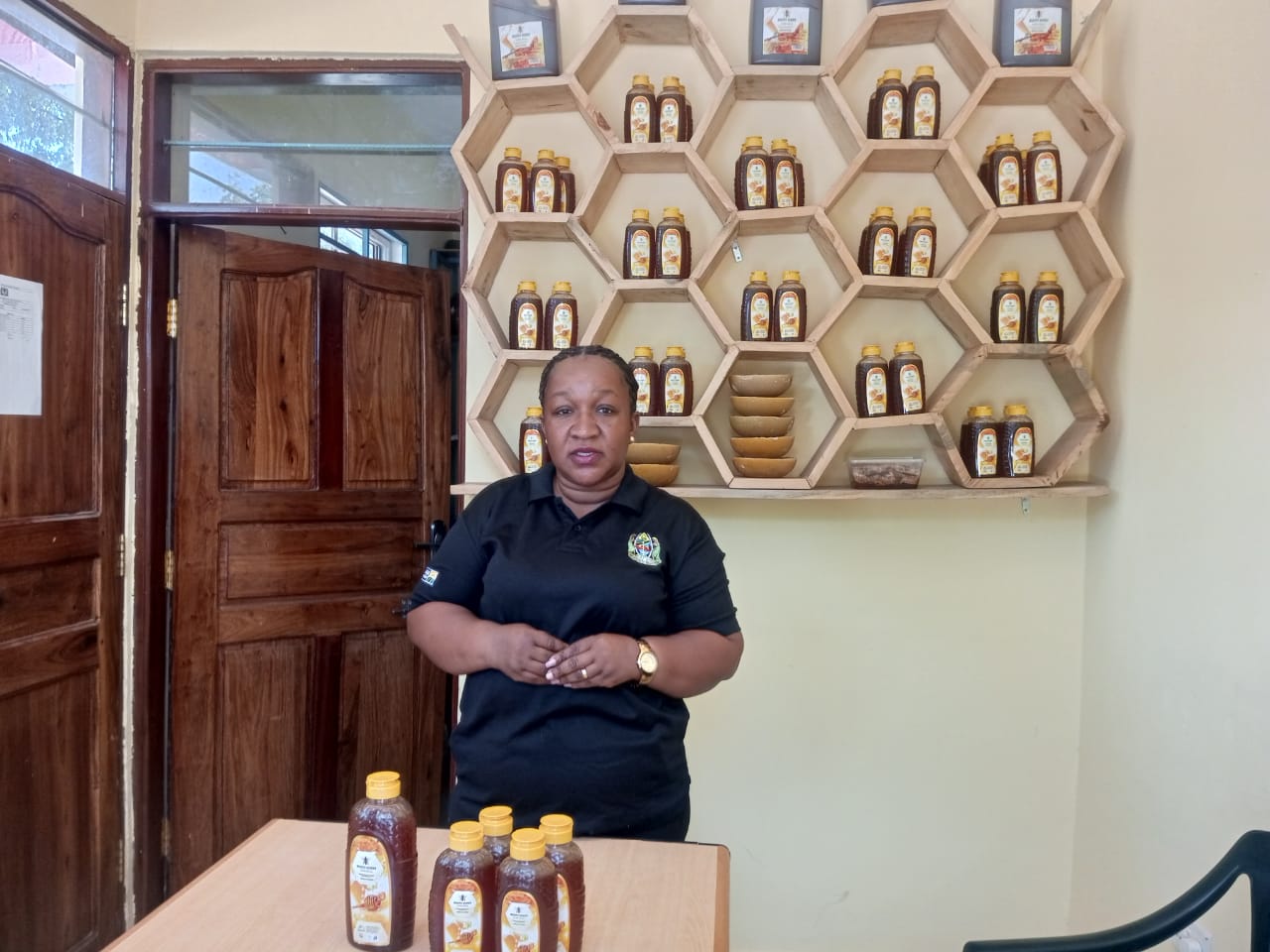
“we, our honey products, including beeswax, continue to gain popularity within the central zone and across the country. We are also improving packaging standards to meet growing market demand,” she noted.
To further strengthen the sector’s contribution to the economy, TFS is planning to expand its honey processing plant in the central corridor.
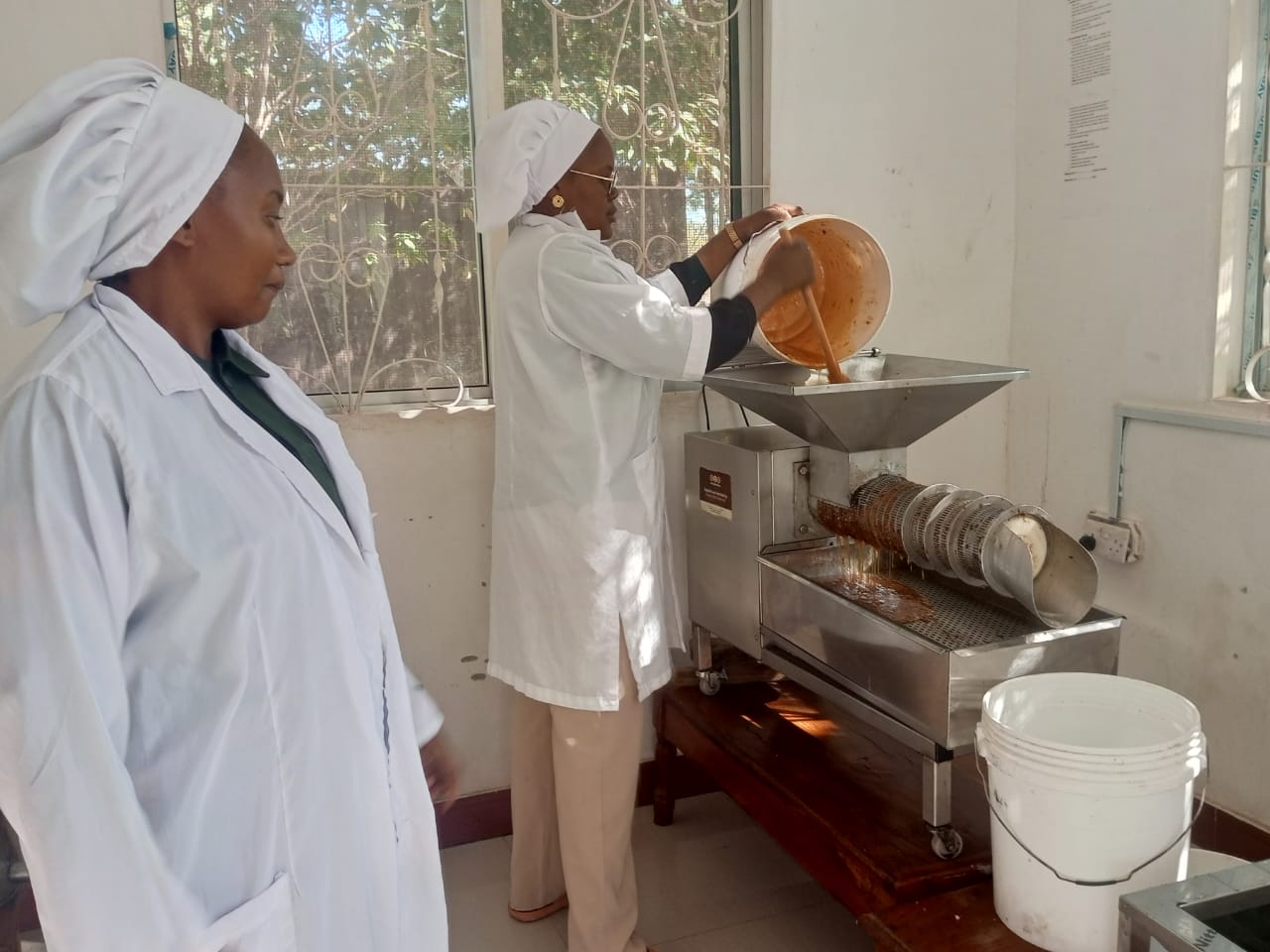
Senior Conservator Ranger at the Manyoni Bee Farm, Mrina Robert, said the existing processing facility currently has the capacity to process up to 500 kilogrammes of honey every eight hours.
She added that the planned expansion project, estimated to cost more than 200m/-, is expected to significantly improve honey processing and value addition activities in the central zone.
“With the envisaged expansion, the Manyoni processing plant will play a major role in boosting the honey industry and increasing productivity in the region,” she said.
Meanwhile, TFS Principal Conservator for Planning and Resource Utilisation, Ignas Lupala, said the agency has introduced several initiatives aimed at modernising and expanding the apiculture sector.
“We have recruited seven professional beekeeping experts and introduced additional facilitation, including vehicles, to improve operational efficiency and increase production,” he stated.
According to a recent report presented by the Minister for Natural Resources and Tourism, Ashatu Kijaji, Tanzania continues to demonstrate strong economic potential in the honey industry after successfully exporting 1,076.8 tonnes of honey worth over 12.9bn/- to markets in Europe and the United States.
Presenting the ministry’s 2026/2027 budget speech, Dr Kijaji said the achievement followed international laboratory tests conducted in Germany on 132 honey samples collected from 31 districts across Tanzania. The tests confirmed that Tanzanian honey meets international quality standards.
“The results show that Tanzanian honey is of high quality and qualifies for both domestic and international markets,” she said.
In the 2026/2027 financial year, the government plans to strengthen conservation, tourism and trade in forest products by preparing management plans for 99 forest reserves covering more than 2.3 million hectares, conducting 2,439 patrol operations and enhancing protection of natural forests, plantations and mangrove ecosystems.
TFS also plans to capitalise on major international events expected to be hosted in Tanzania, including the 2027 Africa Cup of Nations, Miss World and the Parliamentary Conference, to further promote forest eco-tourism.
As part of the strategy, the government will complete construction of tourist camps in Rau, West Kilimanjaro, Meru, Mount Hanang, Pugu/Kazimzumbwi and Lake Ngosi forests, while encouraging private sector investment in hotels, cottages and other accommodation facilities within forest reserves.
Additionally, TFS plans to construct 26 modern tourist bandas in Sahare, Ras Kilomoni, Dar es Salaam, Vikindu and Pugu/Kazimzumbwi, alongside the procurement of two tourist boats for the Sahare and Ras Kilomoni mangrove forests.
The developments reflect the government’s broader vision of transforming the forestry sector from a traditional conservation space into a major driver of economic growth, employment creation and sustainable tourism in Tanzania.