





Summary
In a move aimed at diversifying tourism activities, TFS is also venturing into api-tourism industry, which combines tourism with beekeeping experiences.
SAME: THE Tanzania Forest Services Agency (TFS) through its Northern Zone has allocated more than over 1.2 bn/- for the implementation of various projects aimed at enhancing ecotourism, boosting bee and honey production, and strengthening conservation activities.
The funds, earmarked for the 2025/2026 financial year, will support a number of development initiatives, including renovation of the TFS Northern Zone headquarters in Same and the construction of new district offices in Rombo, Mkinga and Ngorongoro.
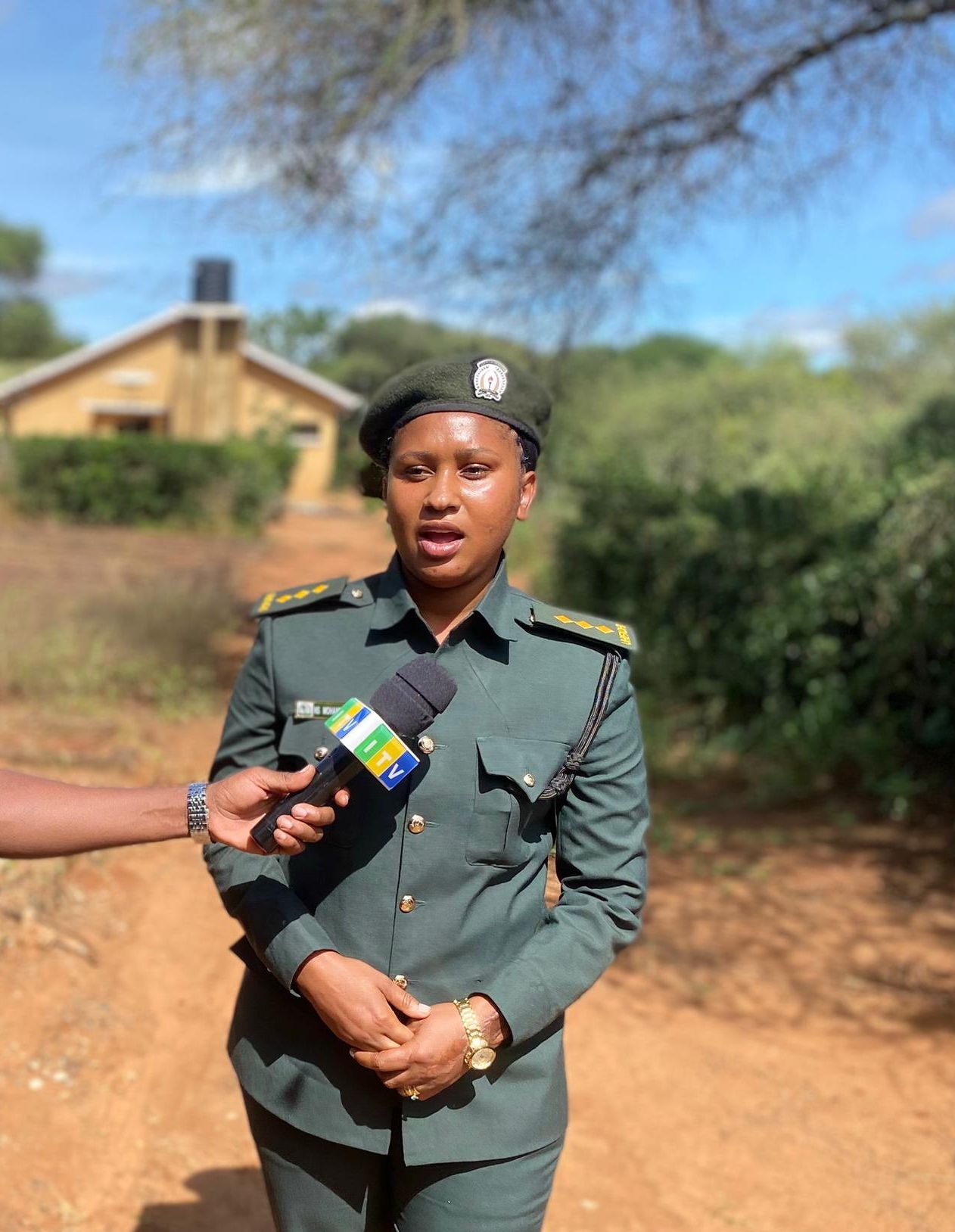
Speaking in an exclusive interview, TFS Senior Conservator and Assistant Zonal Commander for Planning and Marketing in the Northern Zone, Ms. Nuru Mohamed, expressed that the projects also include the establishment of three ranger posts in Korogwe, Lushoto and the Mwambao Bee Reserve.
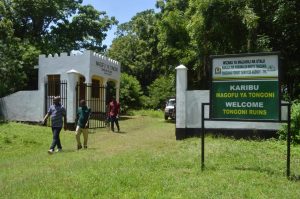
“The programme will further involve the improvement of tourism infrastructure in several protected areas, including Magamba Nature Reserve in Tanga, Amani Nature Reserve, Nilo Nature Forest Reserve (NNFR), and Chome Forest Reserve,” she explained.
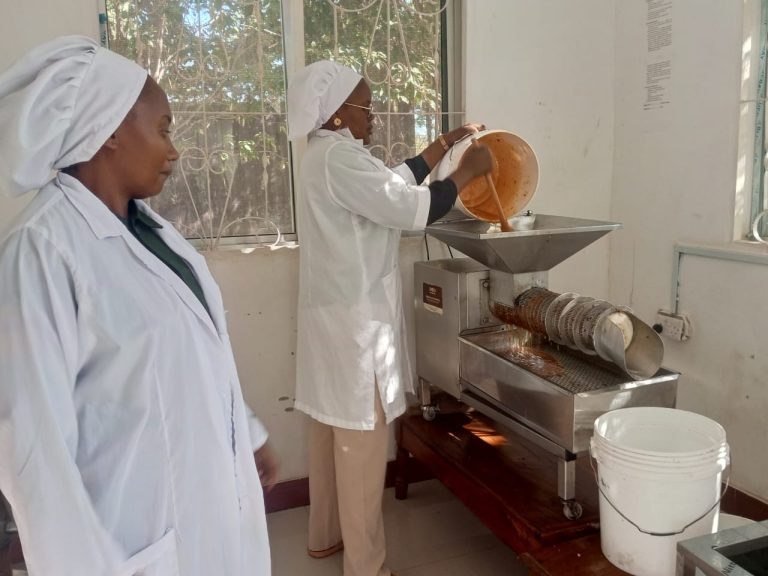
Ms. Mohamed added that TFS is also planning to install a modern bee-products outlet at the Northern Zone headquarters in Same to promote the marketing of honey and other bee-related products.
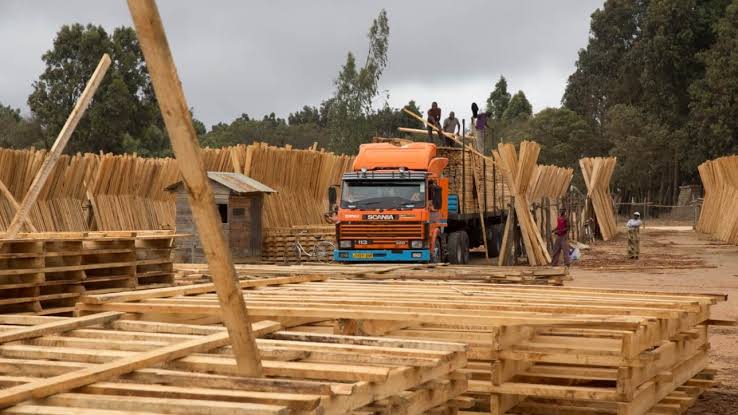
In addition, the agency plans to construct major office facilities at the West Kilimanjaro Forest Plantation as part of efforts to improve operational efficiency in the zone.
According to the officer, the Northern Zone currently operates 15 apiaries spread across five districts namely Handeni, Kilindi, Same, Mkinga and Muheza.
She said the zone is targeting the production of four tonnes of honey and other bee products during the current financial year, noting that about 800 kilograms of honey have already been harvested.
Meanwhile, in a move aimed at diversifying tourism activities, TFS is also venturing into api-tourism industry, which combines tourism with beekeeping experiences.
“Through this strategy, we intend to establish a special centre for the promotion of api-therapy services,” Ms. Mohamed said.
Api-therapy is a wellness practice that uses bee products such as honey, propolis and bee venom for therapeutic and health-related purposes.
TFS in the Northern Zone office is responsible for managing forest and bee resources across four key regions of Tanga, Kilimtunjaro, Arusha, and Manyara.