








Summary
The Tongoni Ruins, once fading into obscurity, are now being revitalized, a testament to the power of heritage conservation and the enduring legacy of a civilization that shaped the East African coast. Through the dedicated efforts of TFS, these ancient stones are not merely preserved; they are being given a new voice to tell their story to generations yet unborn.
TANGA: Mapped about 17 kilometres south of Tanga City, Tanzania, the Tongoni Ruins stand as silent witnesses to a glorious past.
These remnants of a 14th–15th century Swahili trading town boast the largest collection of Shirazi tombs in East Africa, approximately 40 in number, along with an ancient mosque.
Among Tanzania’s most treasured historical heritage sites, Tongoni offers a rare window into the early Swahili civilization, reflecting the rich tapestry of trade, religion, and social life that once flourished along the East African coast.
Historians believe Tongoni was established between the 10th and 15th centuries by Swahili communities inhabiting the coastline.
During this period, coastal settlements formed part of an extensive trade network connecting East Africa with the Middle East, India, and even China.
Tongoni later developed into one of the region’s major trading centres, particularly during the 15th century, when it became an influential town ruled by its own leader or Sultan.
The ruins include an ancient mosque believed to date back to the 14th or 15th century, as well as several historic tombs, including the famous pillar tombs that distinguish this site from others along the coast.
Three Categories of Tombs: A Window into Social Hierarchy
An Antiquities Conservator from the Tanzania Forest Services Agency (TFS), Mr. Kassian Rwechungura, explained that the site contains three distinct categories of tombs, each telling a unique story about the society that once thrived here.
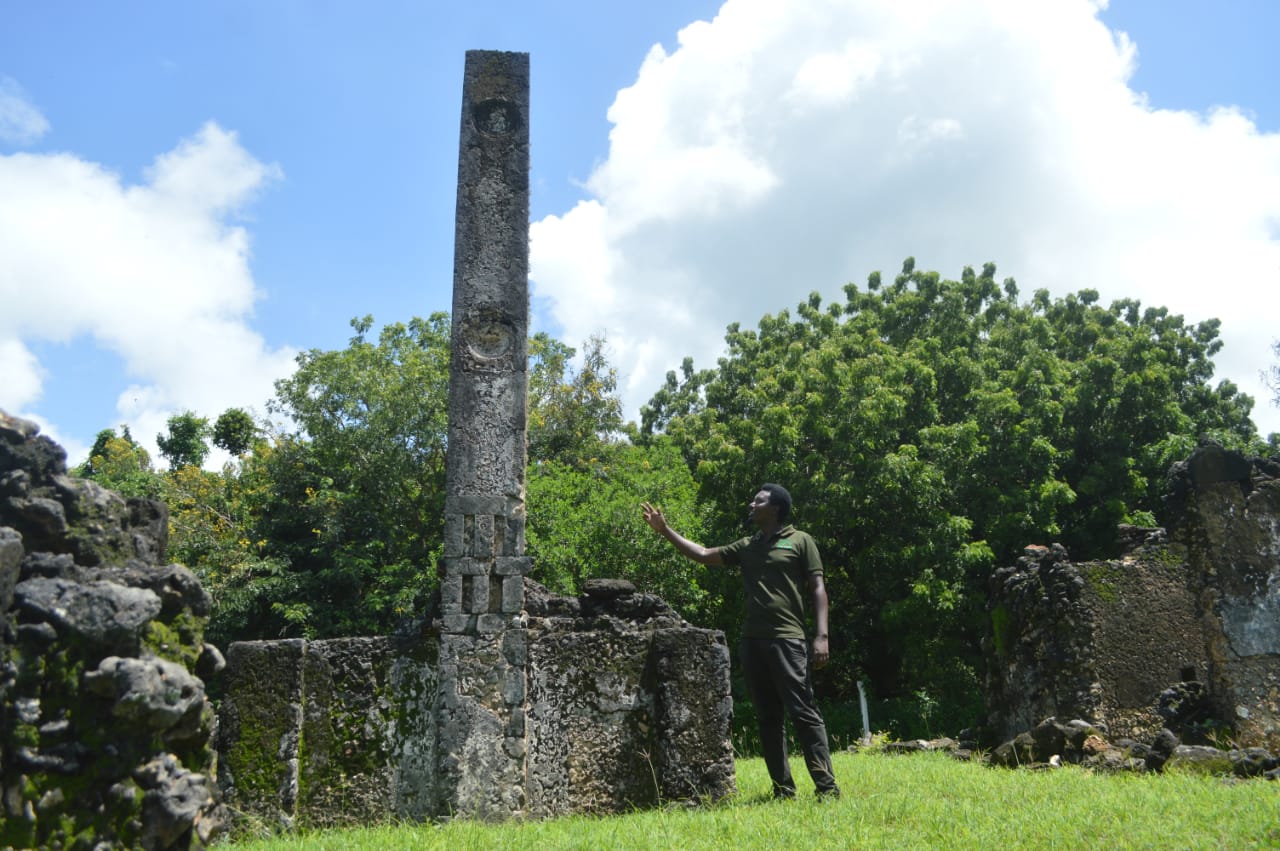
According to Mr. Rwechungura, the first category consists of tombs belonging to leaders and distinguished individuals.
These graves were marked with pillar-like structures, symbolizing leadership and status according to the traditions of that era.
The second category includes ordinary graves without pillars, which belonged to other members of society who were not leaders.
He added that the third category is a unique tomb belonging to a Sharif, a highly respected religious figure in Islamic tradition.
“The existence of the Sharif’s tomb attracts different groups of visitors who come here for religious activities because the site holds special spiritual significance,”said Mr. Rwechungura.
Echoes of Faith: The Ancient Mosque
He also noted the presence of a now-dry water well that was once specifically used for ablution before worshippers entered the mosque, in accordance with Islamic practices.
Mr. Rwechungura further explained that the mosque had a special raised platform where the muezzin stood to call believers to prayer.
“They elevated that section because, during that time, there was no modern sound technology as we have today,” he said.
According to him, the muezzin relied entirely on his natural voice while standing on the elevated platform to announce prayer times to worshippers. The ancient mosque also contained a special room used for washing bodies before burial, in line with Islamic funeral traditions.
The buildings at Tongoni were constructed using coral rag stones, a distinctive feature of Swahili and Islamic architecture commonly used in coastal towns.
A Thriving Trade Hub
On his side, another TFS Antiquities Conservator, Mr. Charles Masong, said that during its peak, Tongoni served as a major trading centre dealing in ivory, agricultural products, beads, ornaments, and imported goods such as Chinese and Middle Eastern ceramics.
Mr. Masong detailed that trade at the time mainly involved barter exchange between coastal communities and foreign traders from the Middle East and Asia.
“They brought beads, finely woven cotton cloth, ornaments, bowls, and Chinese trays. The presence of these foreign objects from Asia is evidence of international relations during that period,” said Masong.
Historic Link to Vasco da Gama
He added that Tongoni also holds significant historical importance because, in 1498, the famous Portuguese explorer Vasco da Gama visited the area, confirming that Tongoni was once part of an important maritime route.
“This is one of the places visited by Vasco da Gama. In his historical documents, he wrote about the Tongoni Ruins and even recorded that he was presented with oranges during his visit,” Masong explained.
Mr. Masong described Tongoni as one of Tanzania’s tangible national heritage sites and among the oldest settlements in the Tanga region. He said it was also one of the earliest commercial towns along that section of the East African coast.
A Living Classroom and Spiritual Haven
He added that the site remains important for Tanzania’s history because students frequently visit to learn about the country’s heritage, while tourists come to explore the historical legacy preserved there.
“We also receive many visitors who come for Islamic religious practices. There is a tradition of visiting burial sites, especially the Sharif’s tomb, where people come to pray or perform spiritual rituals,” he said.
Decline and Revival
Despite its historical significance, Tongoni gradually lost its prominence between the 16th and 18th centuries due to several factors, including disruptions caused by the arrival of the Portuguese, political and economic changes along the East African coast, and the rise of stronger coastal towns such as Mombasa. However, a new chapter is being written for these ancient ruins.
TFS Steps In: Conservation and Development
The Head of the Tongoni Ruins Conservation Centre under TFS, Ally Mbarouk, said the site has officially been recognized by the Government of Tanzania as a National Historic Site.
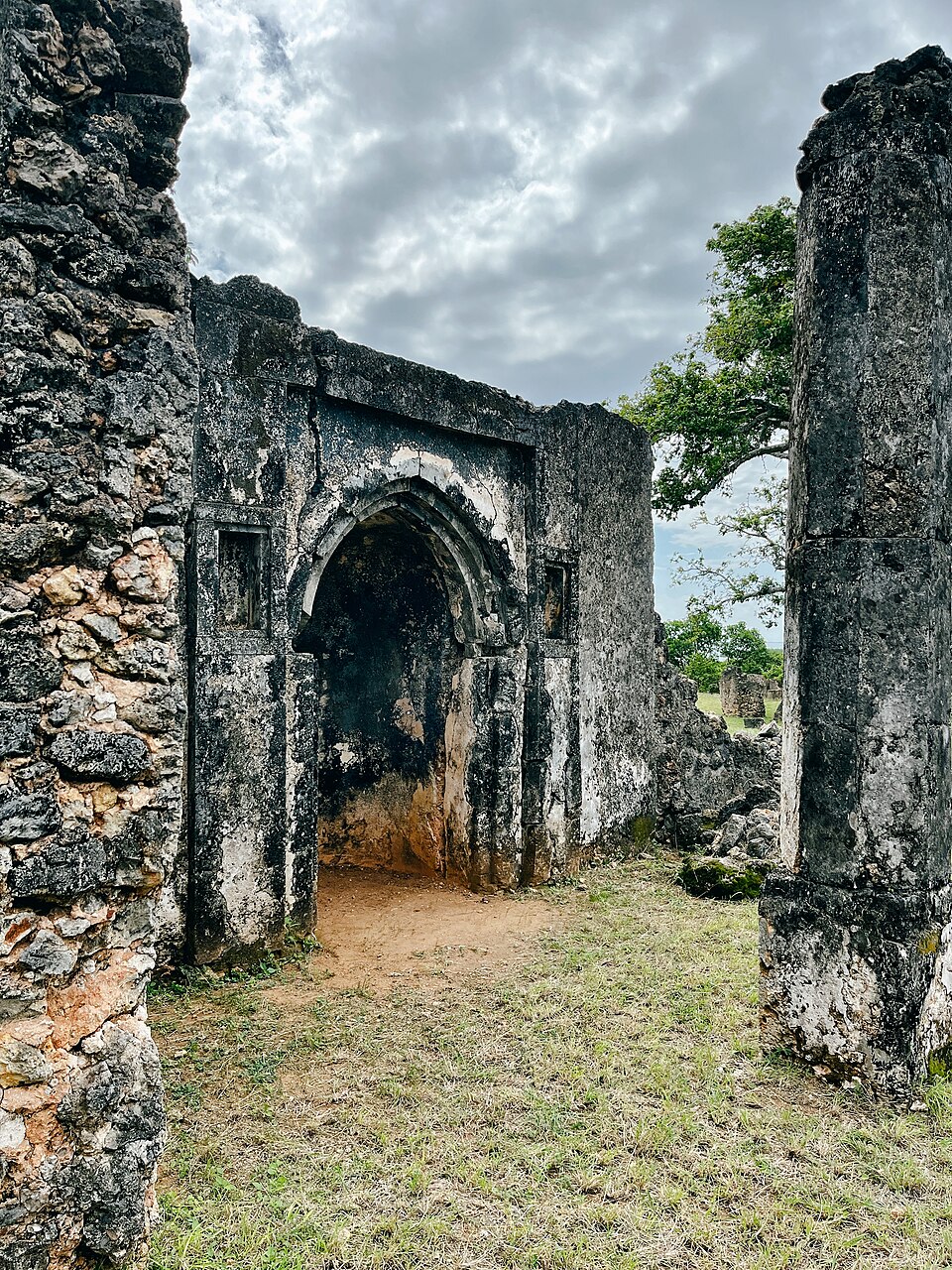
Mbarouk explained that besides being a tourist attraction, Tongoni holds great value for research into Swahili history, archaeology, cultural preservation, and the protection of coastal heritage.
“The Tongoni Ruins are living evidence of the ancient Swahili civilization and their contribution to international trade and the development of the East African coast,” said Mbarouk.
“Although today only remnants of old buildings remain, its history continues to be an important treasure for Tanzania and the world at large,” he added.
Due to its importance, the Tanzania Forest Services Agency (TFS) has developed long-term plans to improve the site and attract more tourists.
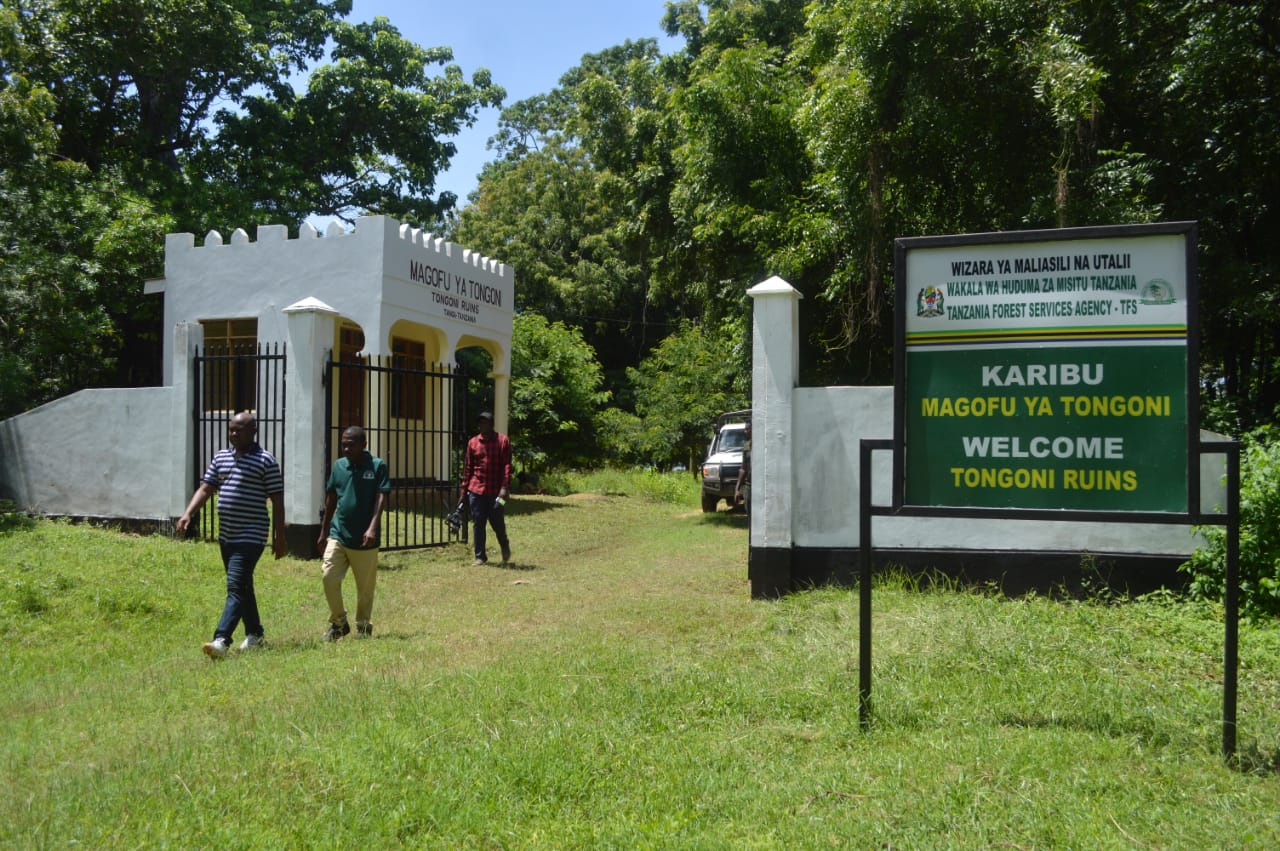
“We have taken steps to improve tourism infrastructure so that people can access the area more easily. This includes fencing the site for conservation purposes, constructing resting areas for visitors, and building an entrance gate to improve tourism services,” said Mbarouk.
He said the Tongoni Ruins are among the heritage sites currently being protected and developed under TFS management. According to him, these conservation efforts are essential to ensure the ruins are preserved for future generations.
Economic Benefits for Local Communities
Mr. Mbarouk observed that TFS is currently promoting tourism at the site by marketing it as a historical tourism destination while improving infrastructure to increase tourist arrivals and national revenue.
“The site is also being used by school students to learn about ancient history, while university students visit to conduct research on Swahili civilization and the development of the East African coast,” he said.
Overall, TFS continues to play a significant role in preserving and developing the Tongoni Ruins through conservation, education, and tourism promotion, ensuring the site remains an important resource for economic and social development.
A resident of Tongoni Village, Mr. Omary Waziri, said local communities living near the ruins are now benefiting economically from tourism by preparing traditional foods for visitors and earning income from tourism-related activities.
The Tongoni Ruins, once fading into obscurity, are now being revitalized, a testament to the power of heritage conservation and the enduring legacy of a civilization that shaped the East African coast. Through the dedicated efforts of TFS, these ancient stones are not merely preserved; they are being given a new voice to tell their story to generations yet unborn.