










Summary
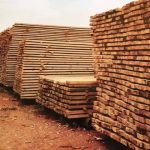
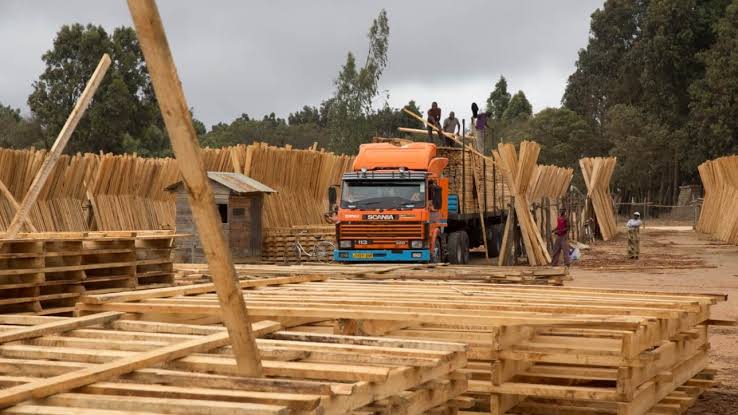
Timber production from government plantations rose to 1.26 million cubic metres in 2024/25, up from 1.1 million cubic metres in 2020/21.
DODOMA: TANZANIA is currently standing at a prominent position as a major exporter of forest products to countries across Africa and beyond, significantly boosting the nation’s foreign currency earnings.
Key markets includeChina, India, and several nations inEast and Central Africa, among others.
The exported forest- based items included wood products, including plywood, marine boards, and laminated boards.
Moreover, the recent data in the sector depicts that the country’s shipments of forest products rose to 458.5bn/- in the 2024/25 fiscal year from105bn/- in 2020/21, a 334 per cent surge.
In further achievement, timber production from government plantations rose to1.26 million cubic metres in 2024/25, up from1.1 million cubic metres in 2020/21.
This growth is credited to the government’s strategic efforts to strengthen management, monitoring, and promotion within the forestry sector.
The measures have encouraged greater participation from both local and international traders.
Giving an exclusive interview, Deputy Conservation Commissioner of the Tanzania Forest Services Agency (TFS), Mr. Salehe Beleko,stated that Tanzania’s forest products industry is developing steadily and systematically.
“More than 80 percent of traders in Tanzania’s forest products sector are now local entrepreneurs, with the remainder being foreign investors, many of whom operate processing factories,” he explained.
To sustain this positive trajectory Mr. Beleko noted that TFS is collaborating with other government institutions to implement sound policies and regulations.
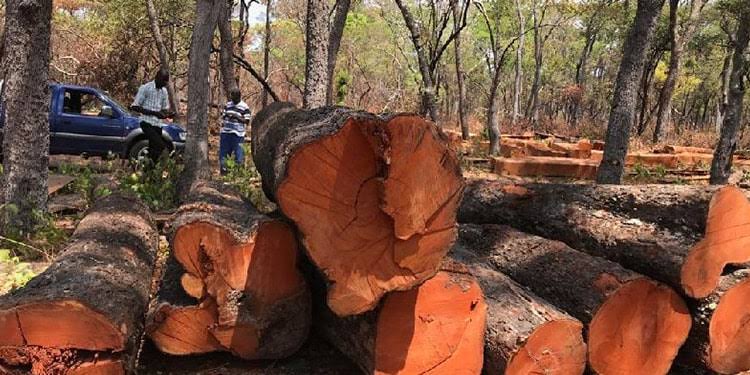
“These regulations ensure that forests are harvested responsibly, both in timing and volume, and that products are transported, processed, and exported in a professional manner,” he said.
The regulatory framework covers business permits, tree harvesting licenses, and transportation or export approvals.
“We have also intensified professional patrols to curb forest destruction and illegal logging,” he informed.
He added that TFS has integrated cloud-based technology to oversee the trade. One key tool is the Forest Resources Management Information System (FOMIS), which tracks the entire supply chain from harvesting to market delivery.
“This digital system enhances accountability and transparency among all stakeholders,” he noted.
The primary goal, according to him is to ensure the sustainable and prosperous growth of both natural and plantation forests, while creating economic opportunities for more Tanzanians to engage in and benefit from the sector.
As of early 2026, Tanzania’s forestry sector has expanded rapidly, with exports growing by 334 percent over the previous four years.
The sector contributes significantly to the economy, with an estimated value exceeding 4.65 trn/-.
It focuses largely on timber production, charcoal, and non-wood products such as honey and beeswax.
While driven by strong domestic demand for charcoal and construction materials, as well as timber exports, the sector continues to face a trade deficit in processed wood products.