








Summary
Apitherapy is an alternative medical practice that uses products derived from honeybees—including honey, pollen, propolis, royal jelly and bee venom—to support the prevention and management of various health conditions.
DODOMA: THE Tanzania Forest Services (TFS) Agency has provided bee venom therapy to more than 10,000 people over the past four years at its Vikindu Forest Reserve, highlighting the growing popularity of apitherapy as a complementary health treatment in the country.
The treatment, which uses controlled bee stings, is offered free of charge and has attracted thousands of people seeking relief from chronic health conditions, according to TFS officials.
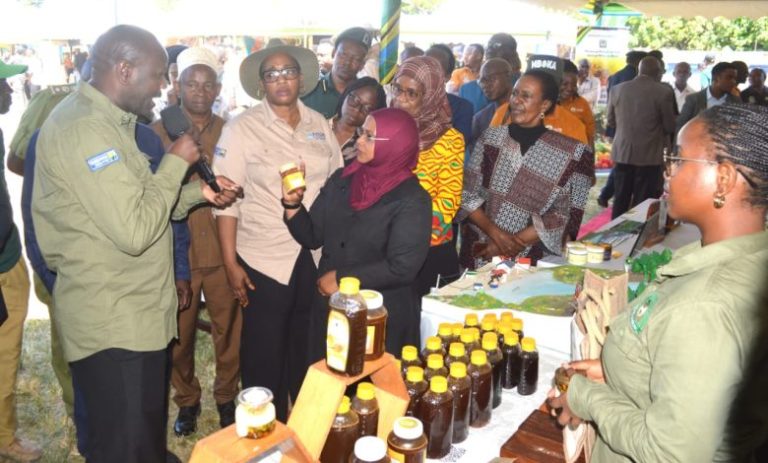
Speaking during the recently concluded National Public Service Week celebrations in Dodoma, Vikindu Forest Reserve Beekeeping Officer Ms. Brenda Mwakipesile said the reserve has become a leading centre for bee venom therapy since the service was introduced.
“We have successfully provided bee venom treatment to more than 10,000 people over the last four consecutive years,”she said.
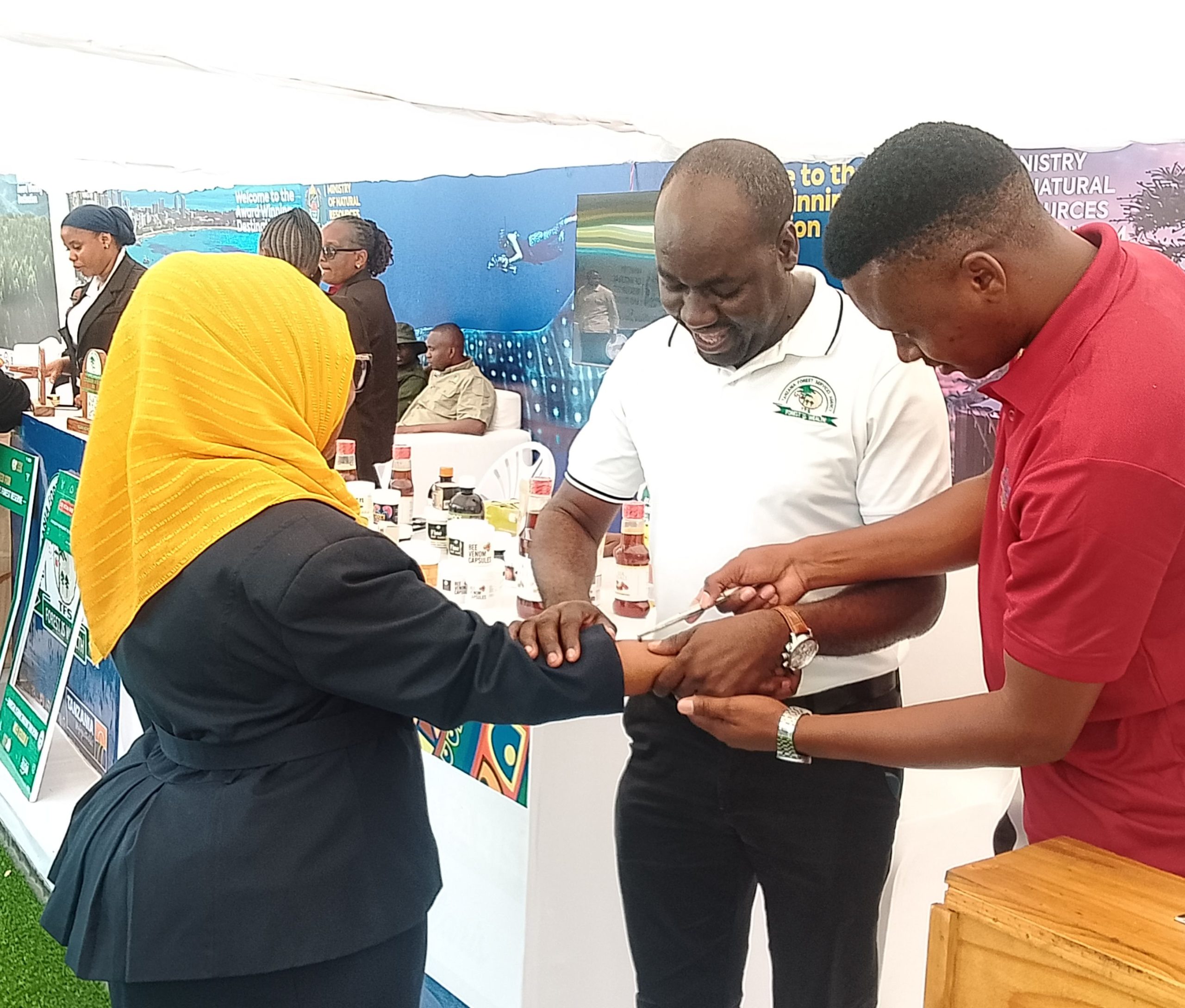
Apitherapy is an alternative medical practice that uses products derived from honeybees—including honey, pollen, propolis, royal jelly and bee venom—to support the prevention and management of various health conditions.
Ms. Mwakipesile said many patients have benefited from the treatment, particularly those suffering from severe joint pain and inflammation. She added that bee venom is also believed to possess antibacterial and antifungal properties.
“Our experience shows that many people have found relief after undergoing the therapy, and the demand for the service continues to increase every year,” she noted.
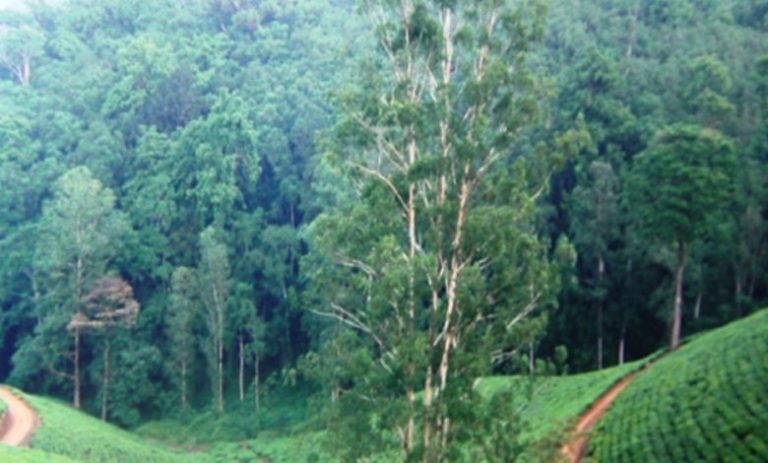
Located in Mkuranga District in the Coast Region, the 1,340-hectare Vikindu Forest Reserve established a dedicated apitherapy centre four years ago, transforming the conservation area into a hub for both nature tourism and bee-based health services.
Ms. Mwakipesile said scientists and health experts around the world are continuing to investigate the medicinal potential of bee products, with ongoing research aimed at expanding their therapeutic applications.
Driven by the rising demand, TFS is planning to extend bee venom therapy services to more parts of the country.
“We have already launched community outreach programmes that take the treatment to public and private institutions upon request, while also using various platforms to raise public awareness about the benefits of apitherapy,” she said.
Bee venom, also known as apitoxin, is administered through carefully controlled bee stings or injections. It has been widely studied for its anti-inflammatory and pain-relieving properties, particularly in managing symptoms associated with arthritis and multiple sclerosis, although scientific research on its broader medical applications is still ongoing.
Managed by the Tanzania Forest Services Agency, Vikindu Forest Reserve is situated about 20 kilometres south of Dar es Salaam and serves as an important protected coastal ecosystem. In addition to conserving biodiversity, the reserve has emerged as a centre for ecotourism, environmental education and innovative beekeeping initiatives that promote both conservation and community well-being.