











Summary
Gombe remains one of the world’s most significant chimpanzee research sites, benefiting from more than six decades of continuous scientific study and conservation work.
ARUSHA: THE Tanzania National Parks Authority (TANAPA) has intensified conservation efforts to protect chimpanzees in Gombe National Park, focusing on habitat preservation, strengthened law enforcement, scientific monitoring, and increased community participation.
The renewed conservation measures are aimed at securing the future of one of Africa’s most renowned chimpanzee populations. Current estimates indicate that Gombe is home to approximately 77 chimpanzees, compared to about 150 individuals recorded in the 1960s.
Although the population has declined over the decades, conservation experts say sustained protection and monitoring efforts are helping stabilize the species, with recent records showing encouraging signs of recovery.
TANAPA Veterinary Specialist, Dr. Jane Mwandupe, said Gombe remains one of the world’s most significant chimpanzee research sites, benefiting from more than six decades of continuous scientific study and conservation work.
“Gombe remains one of the world’s most important chimpanzee research sites,” Dr. Mwandupe said.
She noted that the park continues to contribute significantly to global understanding of chimpanzee behavior, ecology, and social organization through research partnerships with conservation institutions, including the Jane Goodall Institute and other international organizations.
Situated along the eastern shores of Lake Tanganyika, Gombe National Park covers approximately 33.6 square kilometers and is home to chimpanzees belonging primarily to the Kasekela and Mitumba communities.
The park gained international prominence following the groundbreaking work of renowned primatologist Jane Goodall, whose discovery that chimpanzees use tools transformed scientific understanding of animal behavior.
According to TANAPA, more than 20 chimpanzee births were recorded in Gombe between 2020 and 2024, with new births reported every year during the period.
Dr. Mwandupe described the births as a positive sign for the species’ recovery, emphasizing that chimpanzees have slow reproductive rates.
“Chimpanzees reproduce slowly, often with intervals of up to five years between births. As a result, every surviving infant represents an important contribution to the future recovery of the population,” she explained.
To enhance the long-term survival of the species, TANAPA has prioritized the protection of the Gombe-Kagunga wildlife corridor, a network of connected village forests that enables chimpanzees to move between habitats and maintain genetic diversity among populations.
TANAPA Conservation Commissioner, Mr. Musa Nasoro Kuji, said safeguarding the corridor remains a critical component of the government’s conservation strategy.
“Government authorities have consistently emphasized the need to strengthen legal protection for the corridor and eventually incorporate it into the broader protected-area network,” Mr. Kuji said.
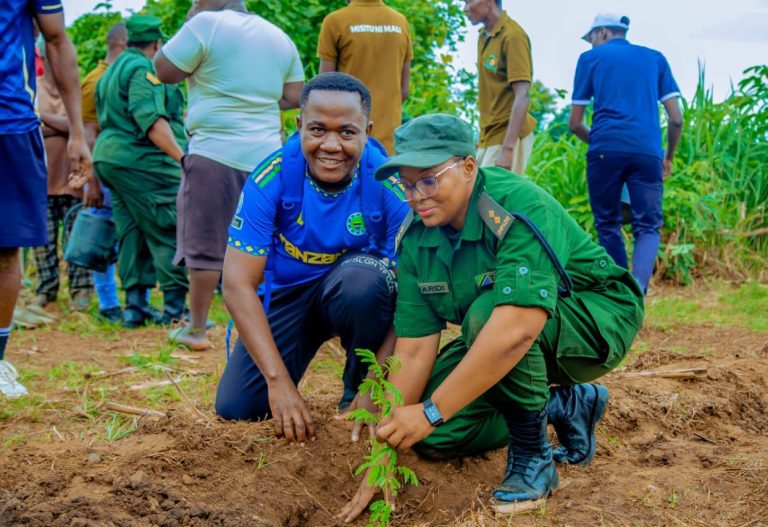
Conservation initiatives being implemented in and around Gombe National Park include daily chimpanzee monitoring, habitat protection, corridor surveys, disease surveillance, climate monitoring, fire prevention programs, visitor health screening, and conservation education.
Local communities have also been actively involved through alternative livelihood initiatives designed to reduce dependence on forest resources. Among the most successful programs are beekeeping projects involving hundreds of beehives, which provide income opportunities while supporting conservation goals.
In addition, authorities have stepped up efforts to combat illegal activities threatening chimpanzee habitats. During a 2025 operation in the corridor area, officials demolished 97 illegal structures, removed 12 livestock enclosures, and arrested 12 suspects.
Officials said the operation was aimed at restoring the ecological integrity of an area considered crucial to the long-term survival of Gombe’s chimpanzee population.
TANAPA maintains that continued protection of wildlife corridors, habitat conservation, scientific research, and strong community partnerships will remain essential in ensuring the survival of Gombe’s chimpanzees for generations to come.
As Tanzania strengthens its conservation agenda, Gombe National Park continues to stand as a global symbol of wildlife research and chimpanzee protection, offering renewed hope for the future of one of humanity’s closest relatives in the animal kingdom.This version improves the flow, grammar, structure, and journalistic style while maintaining all key facts and quotations.