







Summary
Implementation of the project has already commenced in Tanzania’s Southern Highlands, where potential pasture seed producers have been identified and enrolled in training programmes.
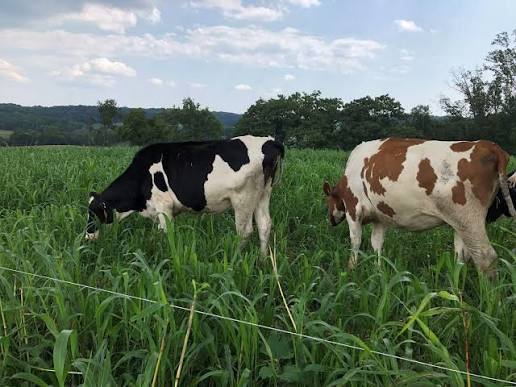
DODOMA: THE Tanzania Livestock Research Institute (TALIRI) is implementing an ambitious project aimed at increasing the production and availability of improved pasture seed varieties to support the growth of the country’s livestock industry.
The initiative forms part of the 174.3-million-US-dollar Climate-Smart Dairy Transformation Project (C-SDTP), which seeks to address the persistent shortage of quality pasture seeds in Tanzania.
The project is also expected to contribute to improved livestock productivity, climate resilience, and environmental conservation.
Speaking on the progress of the project, TALIRI Director General, Prof Erick Komba, said the first phase focuses on expanding access to improved pasture seeds in regions located within Tanzania’s major dairy production corridor.
“Under this project, TALIRI’s role is to identify private-sector stakeholders involved in pasture seed production and equip them with the recommended standards and agronomic practices necessary for producing quality pasture kernels,” Prof Komba said.
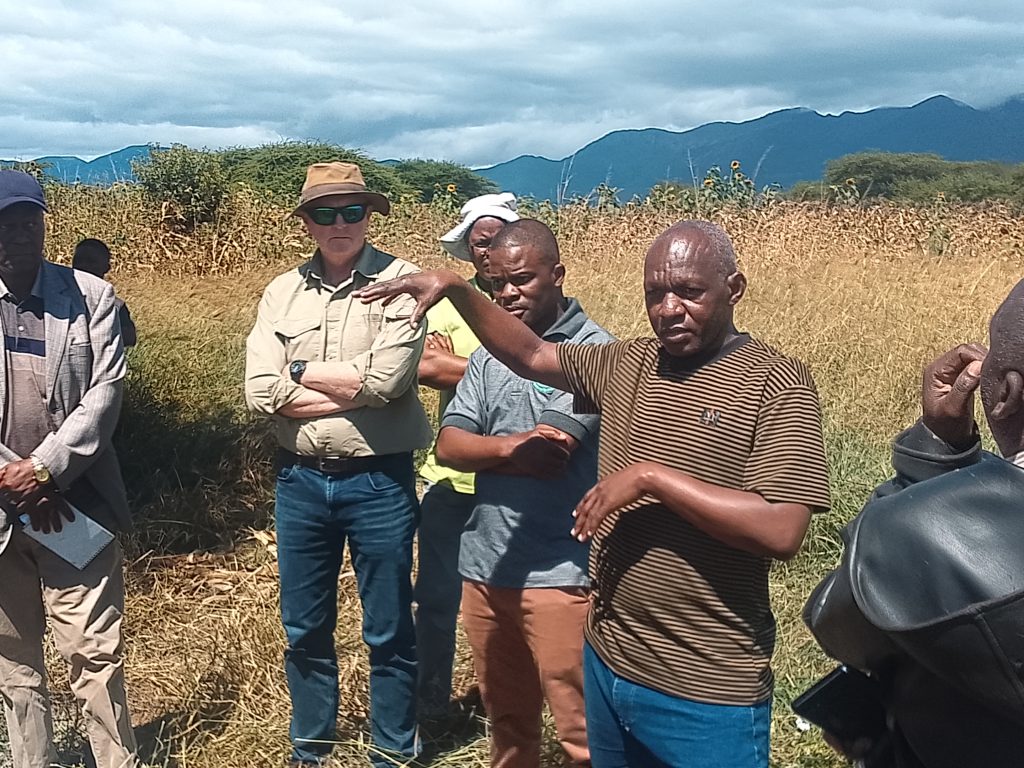
He noted that implementation of the project has already commenced in Tanzania’s Southern Highlands, where potential pasture seed producers have been identified and enrolled in training programmes.
“We have identified a number of prospective pasture seed producers in the Southern Highlands and are currently providing them with comprehensive training on all aspects of seed production,” he explained.
According to the Don, the training covers land preparation, establishment of pasture seed farms, pasture management, seed harvesting techniques, and post-harvest handling to ensure quality seed production.
To facilitate the initiative, the Ministry of Livestock and Fisheries has distributed at least one tonne of improved pasture seed to beneficiaries who have completed the training and are preparing to engage in large-scale seed multiplication.
Prof Komba insisted that all seed producers will undergo inspection and certification by the Tanzania Official Seed Certification Institute (TOSCI) to ensure compliance with established quality standards.
Under the project’s framework, TALIRI will be responsible for producing parent stock (basic seeds) which will then be supplied to trained producers for multiplication and commercial distribution.
“Our vision is to ensure that livestock keepers across the country have reliable access to improved pasture seeds so that they can adopt modern livestock production practices and enhance the productivity of their herds,” he said.
He revealed that Tanzania currently has nine certified improved pasture varieties.
Of these, five (Cenchrus ciliaris, Chloris gayana, Medicago sativa, Macroptilium atropueperium and Desmodium intortum) were developed through TALIRI research programmes, while the remaining four (Sugargraze, Nutrifeed, KKS3866 and KKS3864) mwere developed by private-sector stakeholders.
He added that the project will eventually be expanded to northern regions of the country, where livestock keeping is also a major economic activity.
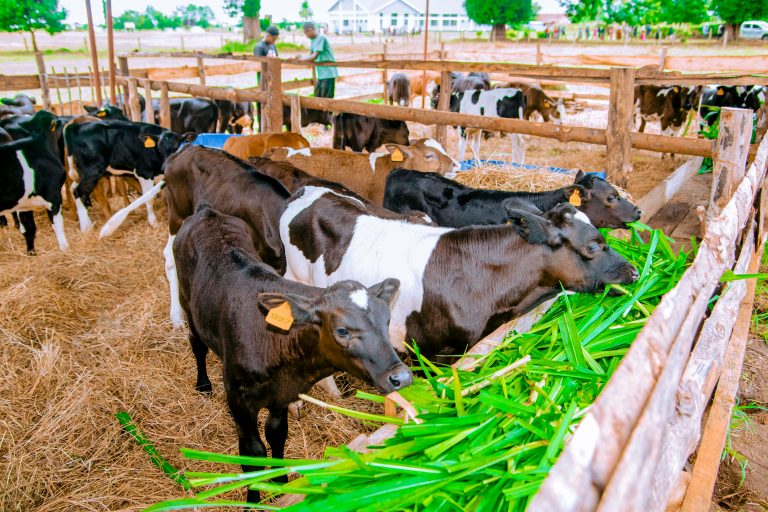
The initiative is expected to significantly improve milk production by enabling dairy farmers and pastoralists to feed their animals with high-quality, recommended pasture varieties.
Improved pastures not only enhance animal nutrition and productivity but also contribute to reducing greenhouse gas emissions associated with poor-quality feed.
More broadly, the Climate-Smart Dairy Transformation Project seeks to transform Tanzania’s dairy value chain by improving productivity, strengthening climate resilience, and enhancing the livelihoods of smallholder dairy farmers across both Mainland Tanzania and Zanzibar.
The project aims to increase incomes, improve nutrition, strengthen climate resilience, and promote the participation of smallholder dairy producers in a competitive and safe dairy value chain.
Beneficiaries include rural households engaged in dairy farming, milk processors, traders, and transporters.
The project has set an inclusion target of ensuring that women account for 40 percent of beneficiaries while youth constitute at least 30 percent.
The project is being supported by several development partners, including the International Fund for Agricultural Development (IFAD), Heifer International, Agence Française de Développement (AFD), the OPEC Fund, the Green Climate Fund (GCF), and the Tanzania Agricultural Development Bank (TADB), among others.
Implementation will cover ten regions and at least 28 districts. Beneficiary regions on Mainland Tanzania include Arusha, Kilimanjaro, Coast, Morogoro, Tanga, Iringa, Njombe, and Mbeya, while Unguja and Pemba will benefit on the Zanzibar side.
Key implementing institutions include the Tanzania Livestock Research Institute (TALIRI), Zanzibar Agricultural and Livestock Research Institute (ZALIRI), Department of Livestock Development (DLD), State University of Zanzibar (SUZA), Livestock Training Agency (LITA), National Artificial Insemination Centre (NAIC), Tanzania Veterinary Laboratory Agency (TVLA), and the Tanzania Dairy Board (TDB).
The project is expected to play a crucial role in strengthening Tanzania’s dairy sector by ensuring sustainable access to quality pasture seeds, improving livestock productivity, and supporting the country’s broader climate-smart agricultural development agenda.