





Summary
Counselling and psychosocial support play a critical role in helping individuals and families navigate social, relationship and gender-related challenges that affect their daily lives.
DODOMA: A GROWING number of young people in Tanzania are grappling with challenges related to relationships, marriage, parenting and mental health, prompting calls for greater access to counselling and psychosocial support services across the country.
Experts in counselling and psychosocial support have emphasized the need to strengthen interventions aimed at preventing and addressing stress, trauma and emotional difficulties arising from violence, family conflicts, relationship disputes and parenting challenges.
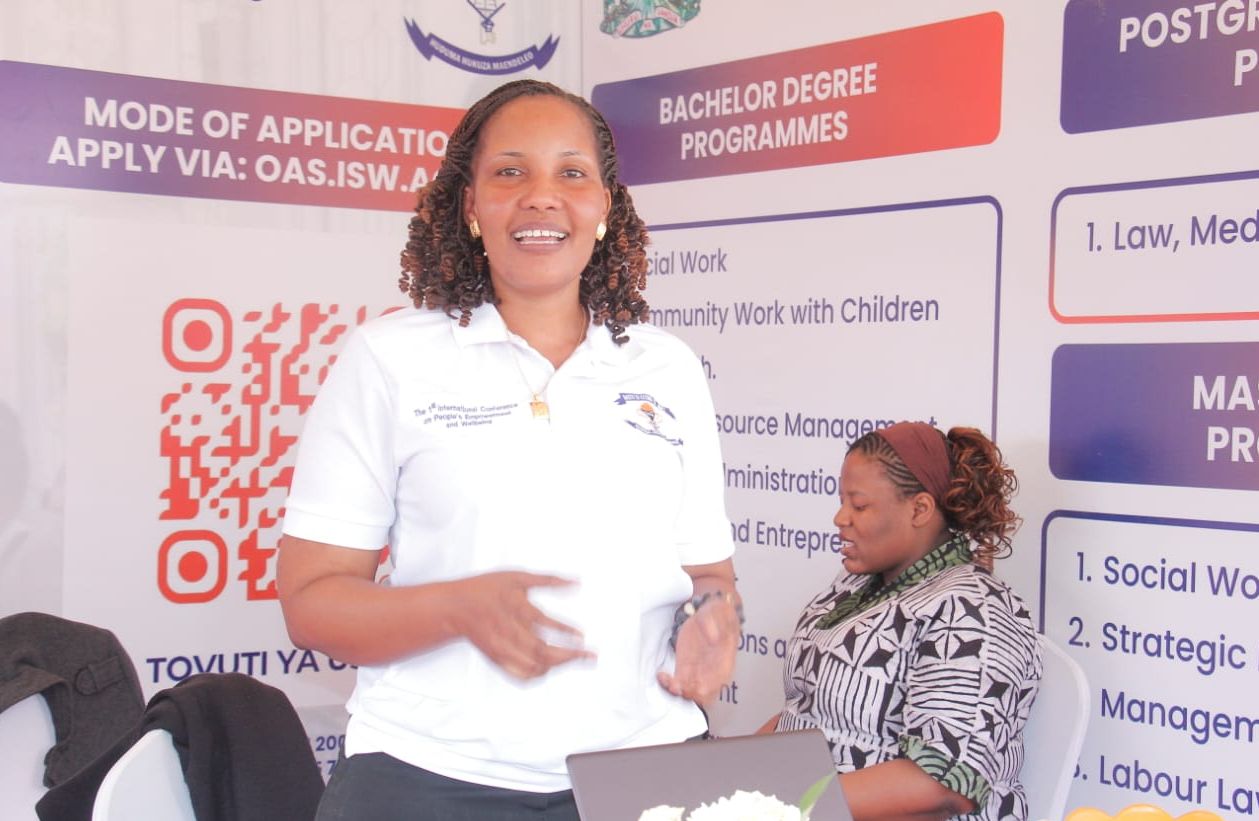
Speaking in an exclusive interview with The Messenger during the National Public Service Week 2026 in Dodoma, the Coordinator of Information at the Institute of Social Work (ISW) Centre for Education, Counselling and Psychosocial Support Services, Ms. Rufina Khumbe, said the number of people seeking assistance from the Centre has been increasing significantly.
According to Ms. Khumbe, records from the Centre indicate that relationship and marriage issues, parenting challenges, and child and adolescent development concerns are among the most common social problems affecting Tanzanian communities today.
“Relationship and marriage issues, parenting concerns, and child and adolescent development challenges are among the leading reasons people seek our services,” she said.
She noted that counselling and psychosocial support play a critical role in helping individuals and families navigate social, relationship and gender-related challenges that affect their daily lives.
Ms. Khumbe explained that the Centre was initially established to provide educational and psychological support services to students and staff of the Institute of Social Work. However, the increasing demand for such services prompted the institution to extend its outreach to the wider community.
“Due to the growing need for counselling and psychosocial support, we expanded our services beyond the Institute to reach communities across the country,” she said.
Today, the Centre conducts outreach programmes in various regions, enabling more Tanzanians to access professional counselling and psychosocial support services.
Among the free services offered by the Centre are relationship and marriage counselling, parenting and child development counselling, behavioural guidance and correction counselling, psychological counselling and support, as well as education and counselling on labour laws.
Other services include counselling on workplace disputes and conflicts, reproductive health education for youth, mental health awareness, and stress management programmes.
“We provide services both at the Centre and in communities through outreach visits or upon request from institutions and groups in need of professional support,” Ms. Khumbe added.
She encouraged residents of the central zone and visitors attending the ongoing National Public Service Week celebrations to visit the Institute of Social Work pavilion and take advantage of the free counselling and psychosocial support services being offered.
Building Future Professionals
To ensure the sustainability and expansion of these essential social services, the Dar es Salaam-based Institute of Social Work has established a training hub at its Kisangara Campus in Mwanga District, Kilimanjaro Region, dedicated to preparing young professionals in social and community development fields.
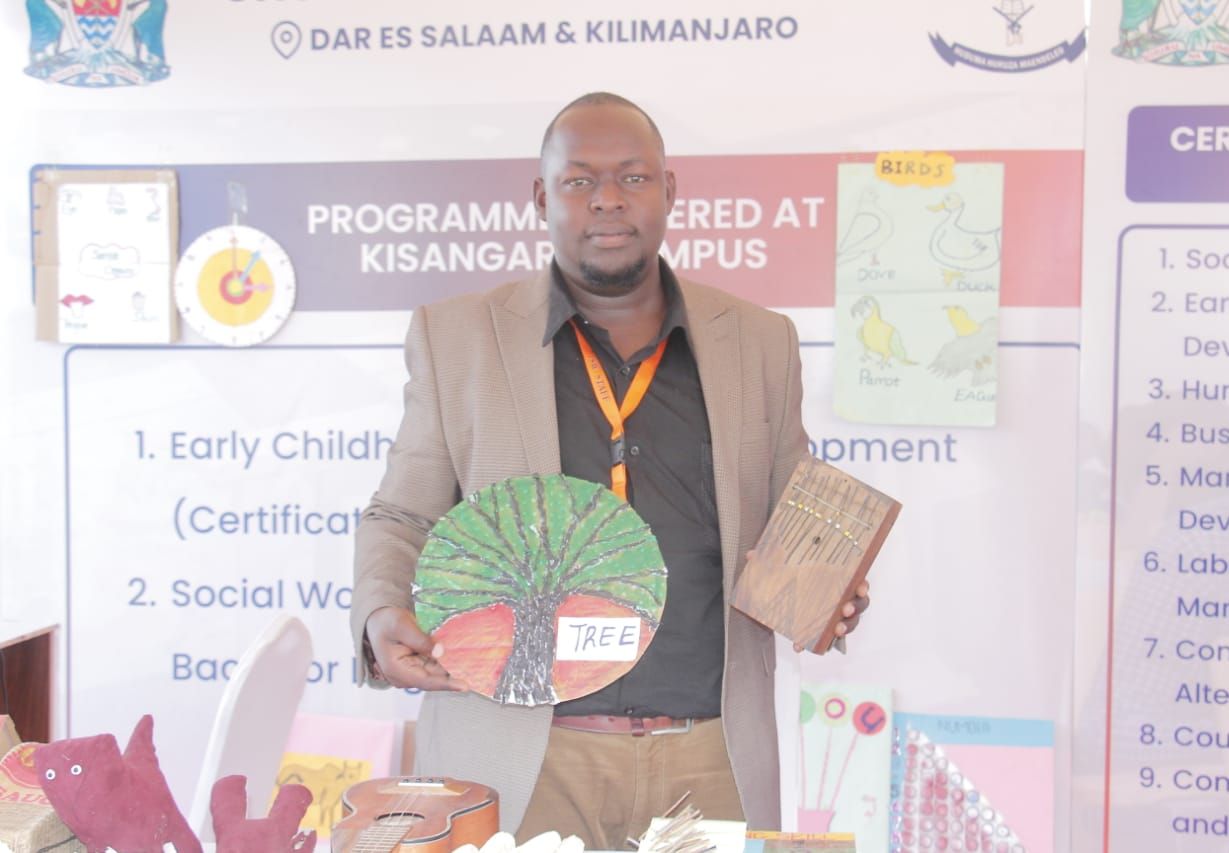
Mr Deusderio Wambura
Assistant Lecturer at the campus, Mr. Deusderio Wambura, said the initiative aims to equip students with practical knowledge and skills needed to address various social challenges facing communities.
“Our responsibility is to train and produce competent professionals who can effectively serve in institutions that require these critical social services,” he said.
One of the key programmes offered at the campus focuses on childcare, upbringing and child development. Through the programme, students acquire specialised skills in supporting the growth and wellbeing of children under five years of age.
“We train students to understand children’s developmental trends and behaviours, and to promote positive growth while preserving African values, culture and moral principles,” Mr. Wambura explained.
The programme also covers children’s physical, cognitive and psychological development, preparing graduates to contribute meaningfully to the nurturing of future generations.
Currently, the campus offers certificate and diploma programmes, with plans underway to introduce degree programmes in the near future.
Admissions Open for 2026/27 Academic Year
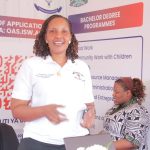
Meanwhile, the Institute of Social Work’s Admission Officer, Ms. Miriam Buhekwa, announced that applications for the 2026/27 academic year are now open.
She encouraged parents, guardians and prospective students to consider enrolling at the institution, citing the high employability and practical relevance of its programmes.
“We offer market-driven courses that equip students with the skills required by employers while also enabling graduates to create self-employment opportunities,” she said.
Established in 1974, the Institute of Social Work is a fully accredited public higher learning institution in Tanzania. The Institute specializes in training, research and consultancy in social work, human resource management, labour relations and business administration, contributing significantly to the strengthening of social service delivery nationwide.