







Summary
The factory is expected to contribute significantly to the district’s economy while creating new income-generating opportunities for households engaged in beekeeping activities.
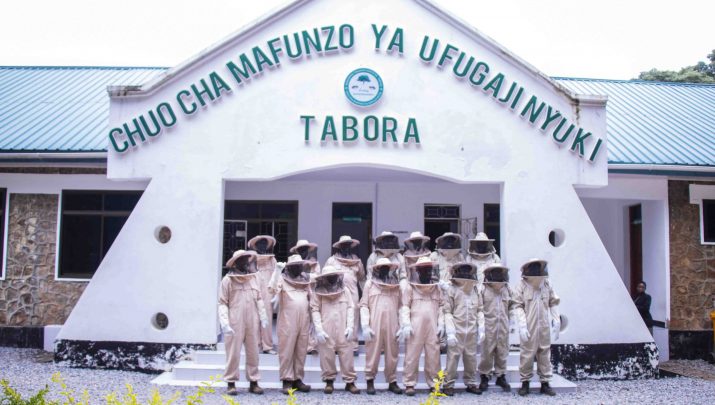
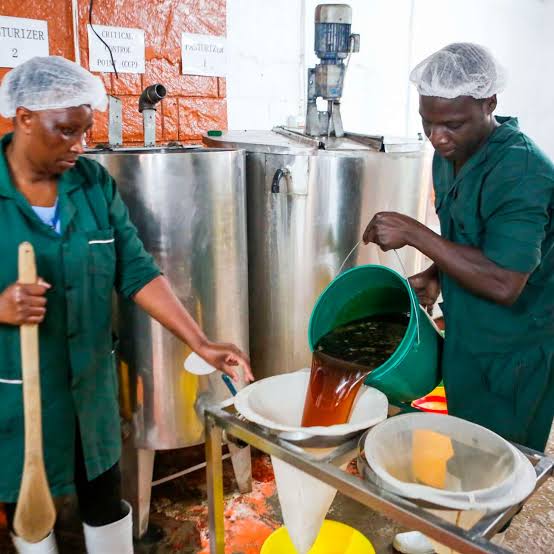
TABORA: THE Food and Agriculture Organization of the United Nations (FAO) has financed the construction of a modern honey processing factory in Kaliua district, Tabora region, in a move aimed at strengthening Tanzania’s apiculture sector and improving the livelihoods of local beekeepers.
Construction of the facility, which is being supervised by the Tanzania Forest Services Agency (TFS), has reached 85 per cent completion.
Work on the project began in June 2025, and the factory is expected to commence operations in August this year. Once completed, the plant will process honey and other bee-related products to meet international quality standards.
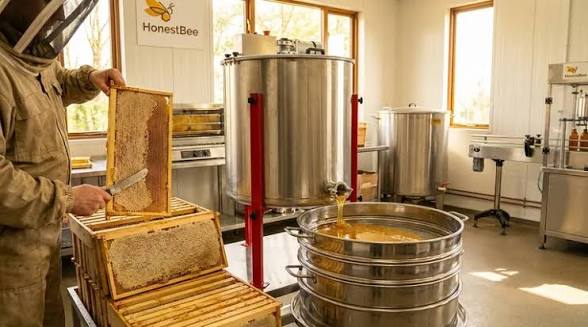
Speaking about the project, Kaliua Senior District Forest Conservator, Mr. Daudi Joel, said the factory which will work under TFS will provide local beekeepers with a modern platform for processing a wide range of bee products, thereby enhancing their market competitiveness.
“With a storage capacity of up to 60 tonnes of honey at a time, the factory will be equipped with advanced processing technology capable of handling various honey products in accordance with international standards. Beekeepers from across the district will be able to process and add value to their products before accessing local and international markets,” he said.
Mr. Joel noted that the facility is expected to contribute significantly to the district’s economy while creating new income-generating opportunities for households engaged in beekeeping activities.
Kaliua District Commissioner, Mr. Gerald Mongella, for his part said the project will play a crucial role in promoting environmental conservation and boosting the performance of the apiculture industry in the district.
“We are grateful to President Samia Suluhu Hassan for her commitment to supporting strategic development projects in our district. Her government’s efforts are helping unlock the economic potential of local communities,” he said.
Mr. Mongella also expressed appreciation to the Minister for Natural Resources and Tourism, Dr. Ashatu Kijaji, for facilitating the implementation of key projects in the district.
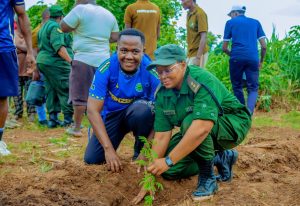
He noted that, besides the honey processing factory, the district is also benefiting from the establishment of the country’s first specialised Miombo tree seed centre, another initiative expected to support forest conservation and sustainable resource management.
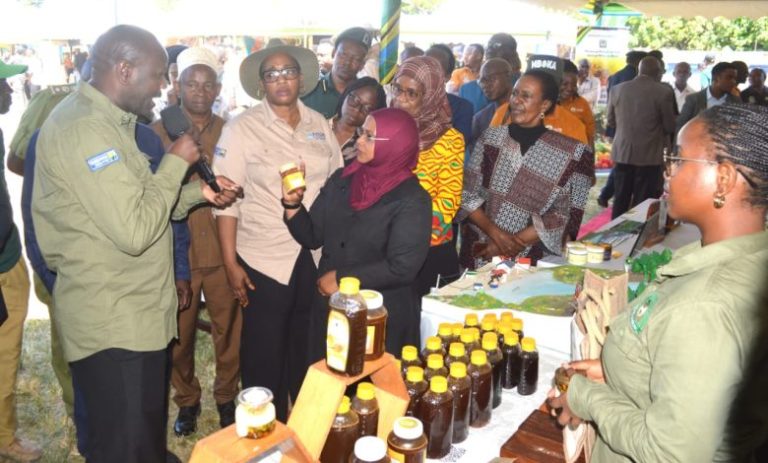
“Bees can produce a variety of valuable products, including honey, beeswax, pollen, bee venom and royal jelly. This factory will enable beekeepers to process and add value to these products, thereby expanding their market opportunities and increasing profitability,” he explained.
According to Mr. Mongella, the introduction of the factory is expected to transform beekeeping into one of the district’s major economic activities, alongside tobacco, paddy and groundnut production.
The project is widely viewed as a strategic investment that will not only improve incomes for beekeepers but also promote sustainable forest conservation, given the close relationship between healthy ecosystems and successful beekeeping enterprises.