




Summary
The project contributed to reducing maternal deaths in Kongwa and Mpwapwa districts from 88 cases in 2022 to 57 cases in 2025, while perinatal deaths dropped sharply from 609 to 290 over the same period.
By Valentine Oforo | Dodoma
A US$4.2 South Korean-funded health project has significantly contributed to reducing maternal and child deaths in Dodoma Region, marking a major milestone in Tanzania’s efforts to improve maternal and newborn healthcare.
Official figures show that maternal mortality in the region declined dramatically from 102 deaths to 43 deaths per 100,000 live births between 2023 and 2025, reflecting remarkable progress in strengthening emergency obstetric and newborn care services.
The achievement was announced yesterday by Dodoma Regional Commissioner Rosemary Senyamule during the closing workshop of the five-year Capacity Strengthening Project on Essential Emergency Obstetric and Newborn Care (EmONC).
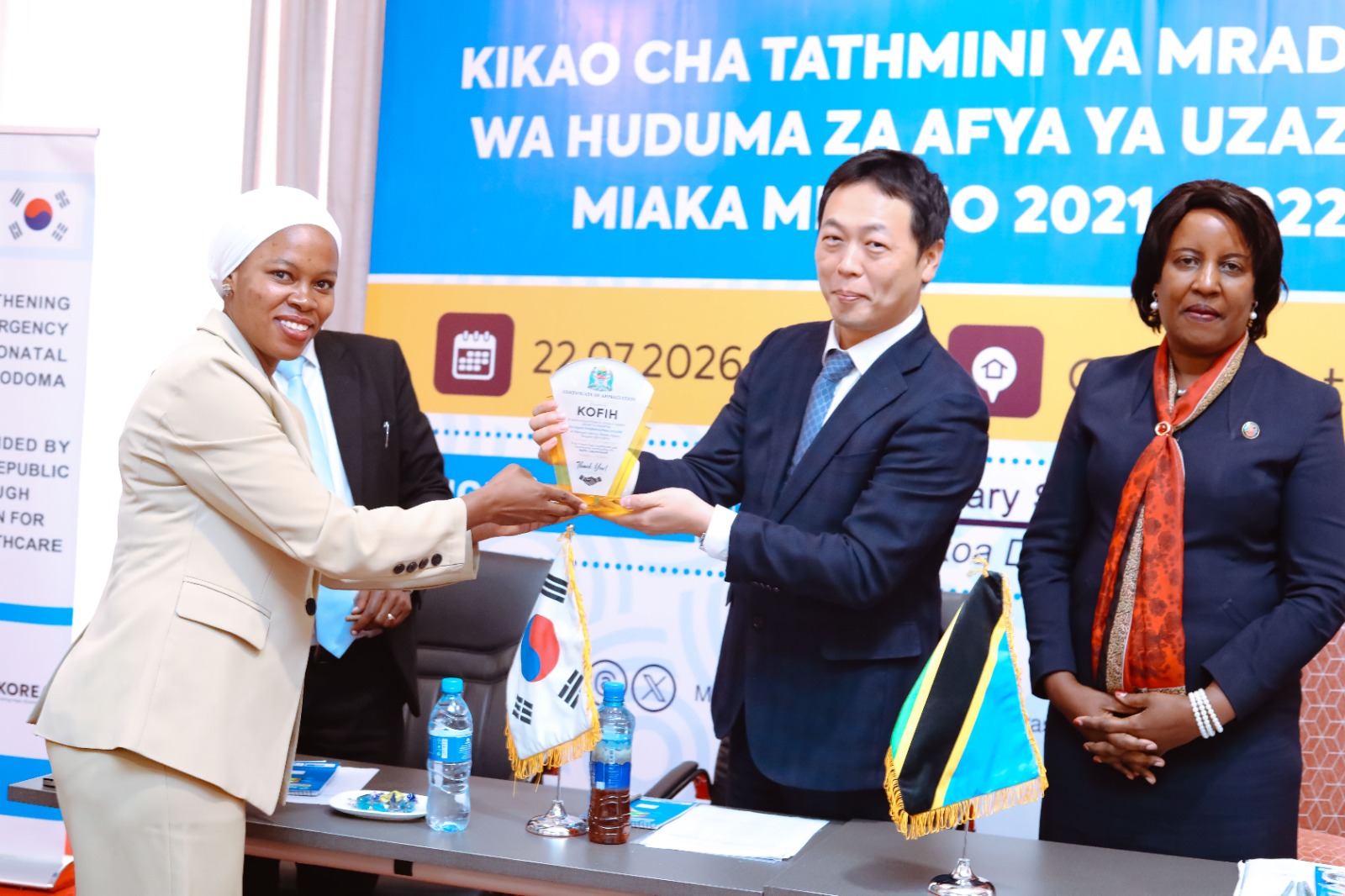
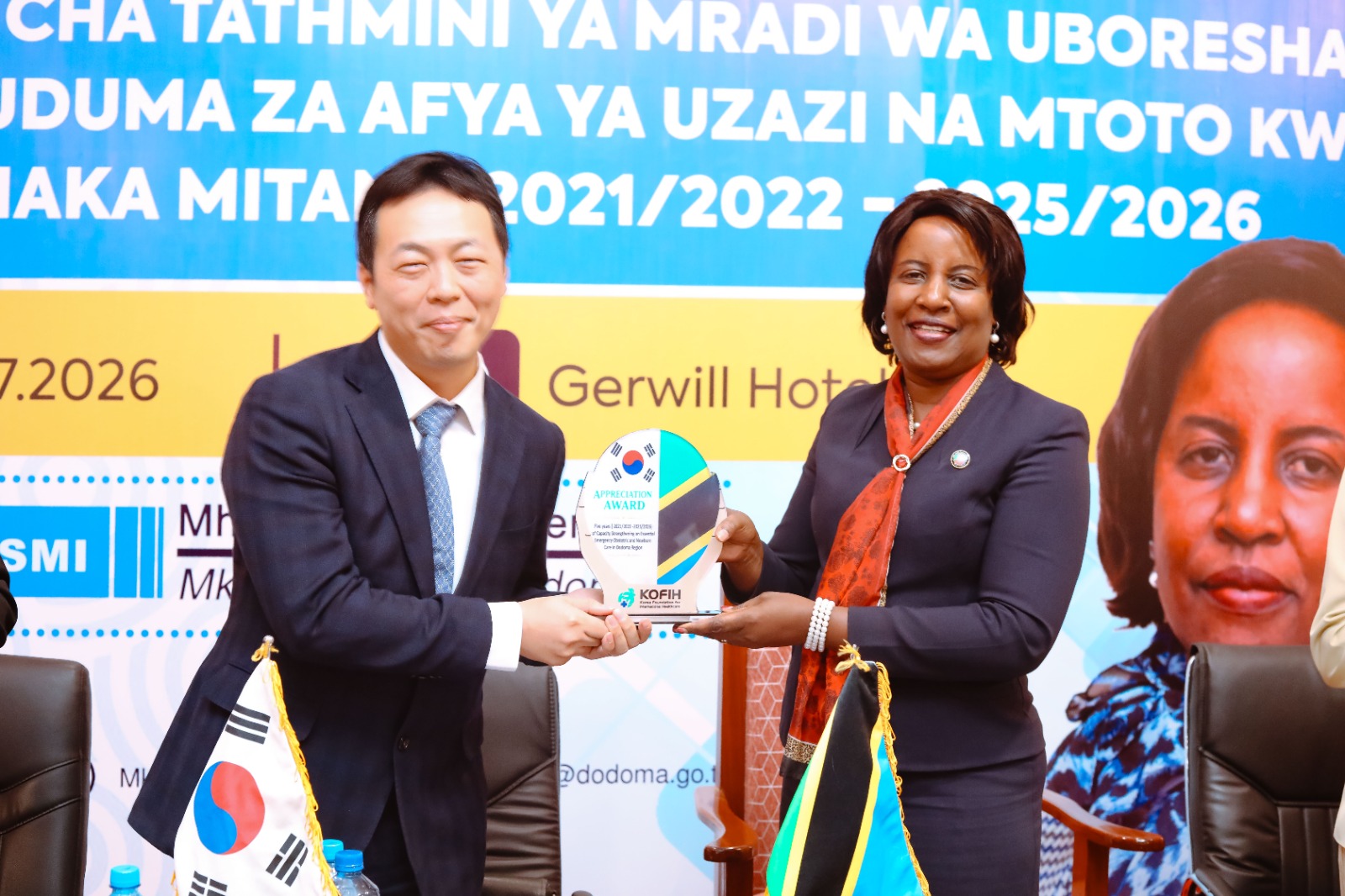
The project, implemented by the Korea Foundation for International Healthcare (KOFIH) in Kongwa and Mpwapwa districts between 2021/22 and 2025/26, was financed by the government of the Republic of Korea.
Speaking at the event, Senyamule attributed the success to the strong partnership between the government of Tanzania and international development partners, particularly the Republic of Korea, in expanding access to quality maternal and newborn healthcare services.
She also praised President Samia Suluhu Hassan for strengthening Tanzania’s diplomatic relations, saying the country’s international cooperation has continued to attract valuable technical and financial support in the health sector.
“We sincerely thank President Samia Suluhu Hassan for her visionary leadership in fostering strong international partnerships that have enabled development partners to support the improvement of healthcare services across Tanzania,”Senyamule said.
She expressed gratitude to the government of Korea and KOFIH for implementing the life-saving initiative, noting that the project has transformed maternal and newborn healthcare services in Kongwa and Mpwapwa while benefiting the entire region.
As the project comes to an end, the Regional Commissioner directed local authorities to ensure that its achievements are sustained.
She instructed district health officials to retain and effectively utilize healthcare workers trained under the programme while ensuring that medical equipment and health infrastructure established through the project are properly maintained.
“The trained personnel and the modern facilities installed through this project must continue serving our communities for many years to come,” she emphasized.
Presenting the project’s achievements, Dodoma Regional Reproductive and Child Health Coordinator Nice Moshi said implementation was guided by the six WHO health system building blocks, including service delivery, health workforce, leadership and governance, access to essential medicines and medical technologies, health information systems, and health financing.
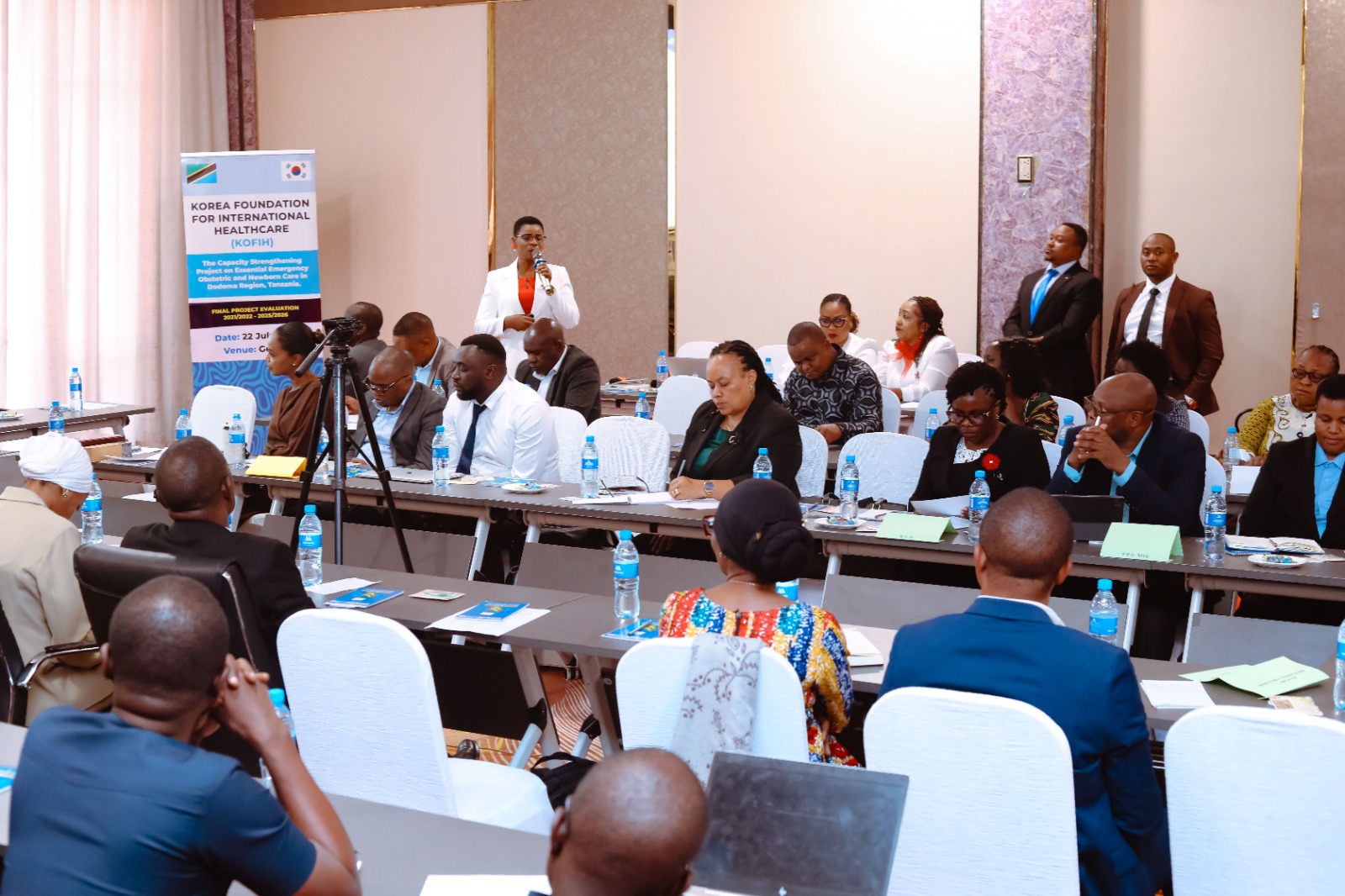
She said the project contributed to reducing maternal deaths in Kongwa and Mpwapwa districts from 88 cases in 2022 to 57 cases in 2025, while perinatal deaths dropped sharply from 609 to 290 over the same period.
KOFIH Country Representative Gyeongbae Seo said the project strengthened maternal and newborn healthcare services in 12 health centres across the two districts.
According to him, the programme upgraded EmONC infrastructure, supplied modern medical equipment and essential obstetric care devices, and improved emergency referral services.
The project also strengthened safe blood management through the establishment of district satellite blood collection centres in Kongwa and Mpwapwa.
“We highly appreciate the cooperation and commitment demonstrated by the Government of Tanzania throughout the implementation of this project. KOFIH remains committed to supporting Tanzania in strengthening its healthcare system,”Seo said.
Under the project, health facilities received operating theatres, ambulances, infant radiant warmers, delivery beds, bedpans and other essential medical equipment. New incinerators and placenta pits were also constructed to improve infection prevention and healthcare waste management.
Beyond infrastructure development, the initiative empowered community leaders, women and young people through reproductive health education programmes.
Primary and secondary school students also received reproductive health awareness training aimed at promoting safe motherhood and improving adolescent health.
Established in 2006, the Korea Foundation for International Healthcare (KOFIH) is a public agency under the Ministry of Health and Welfare of the Republic of Korea.
The organization was founded to honour the late Dr. Lee Jong-wook, the sixth Director-General of the World Health Organization, and supports healthcare development programmes in several African countries, including Tanzania.