



Summary
The dialogue is expected to pave the way for expanded research partnerships, innovation exchange and stronger academic ties between Tanzania and China in support of inclusive rural development.
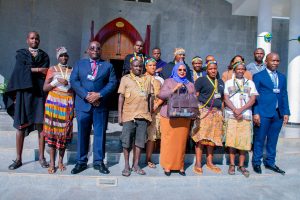
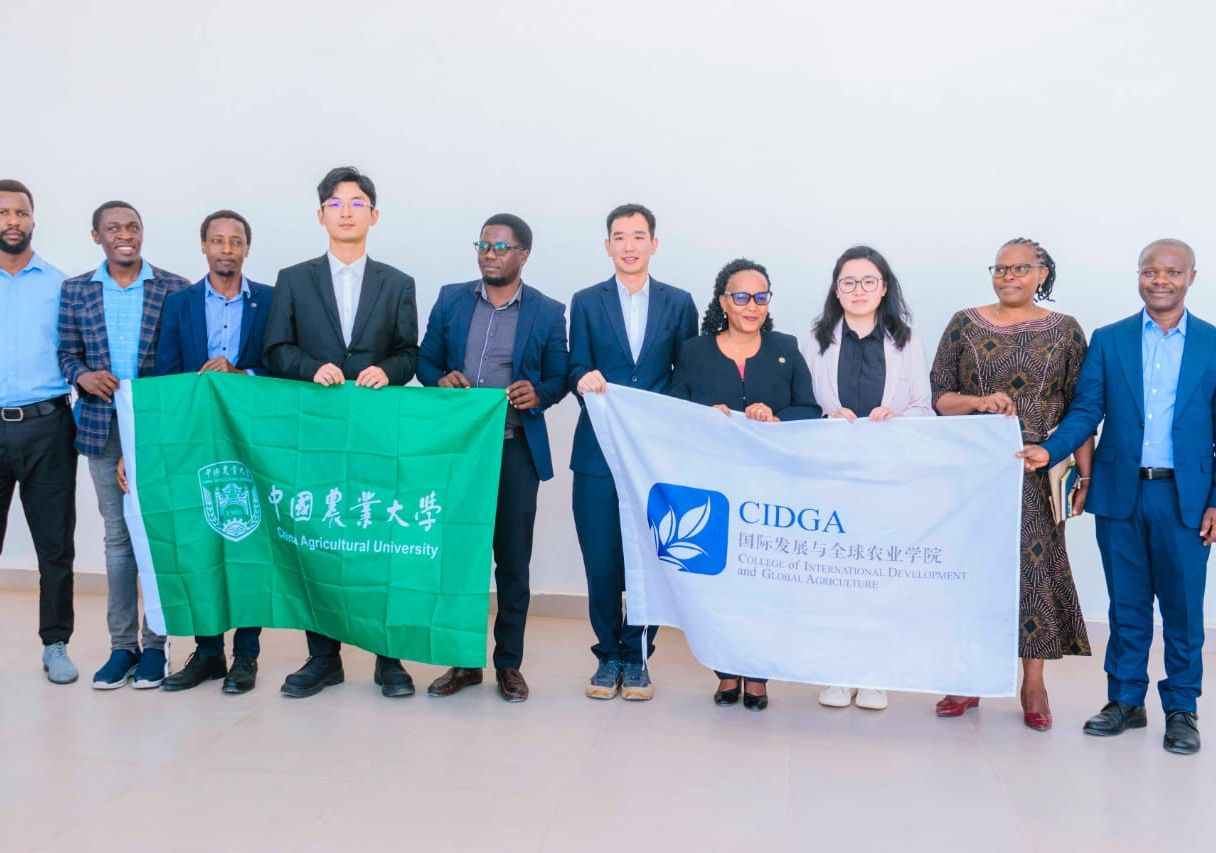
DODOMA: THE Institute of Rural Development Planning (IRDP) and the China Agricultural University (CAU) have convened a high-level Tanzania-China Academic Roundtable Dialogue aimed at strengthening academic cooperation, knowledge exchange and rural transformation initiatives between the two countries.
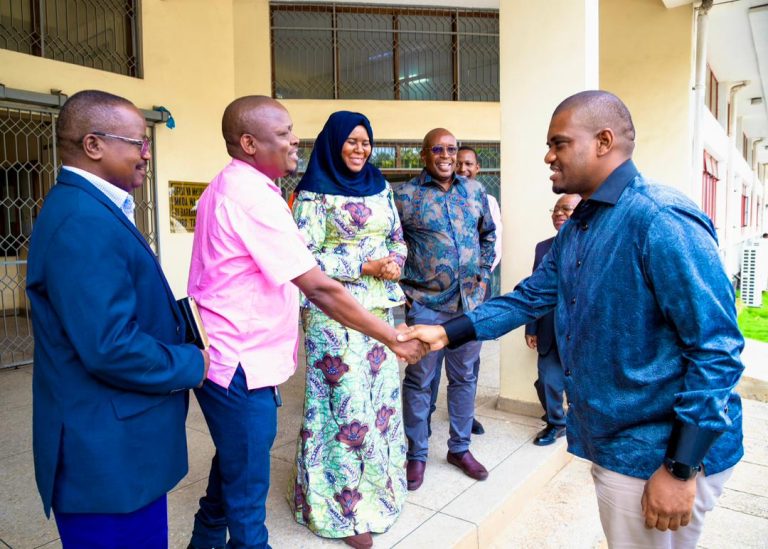
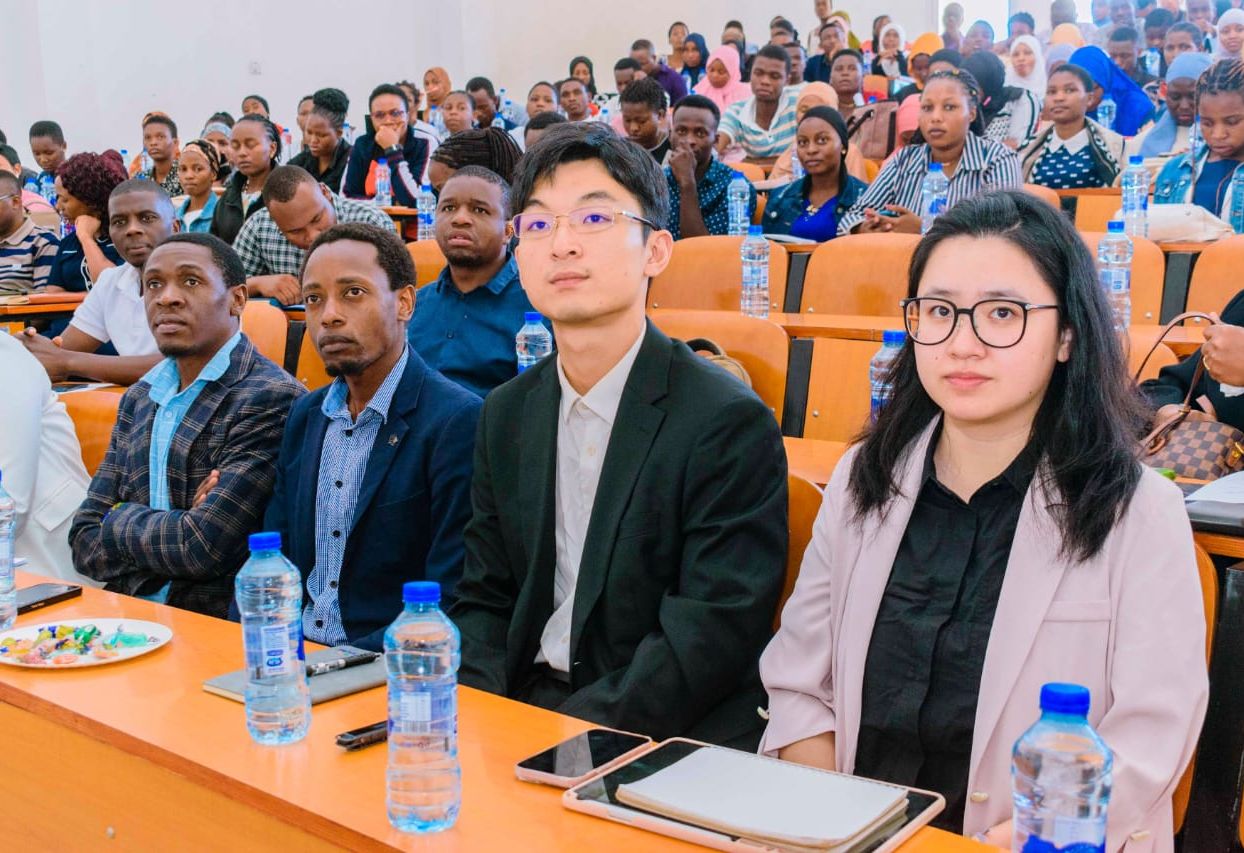
The dialogue, held over the weekend at IRDP’s renowned Forty-Hectares Hall on the outskirts of Dodoma City, brought together scholars, researchers and development experts from both institutions under the theme: “State-Led Rural Transformation and Structural Change: Comparative Lessons from China and Tanzania.”
The forum forms part of the long-standing partnership between the China Agricultural University and IRDP, which has continued to foster collaboration in research, agricultural development and capacity building.
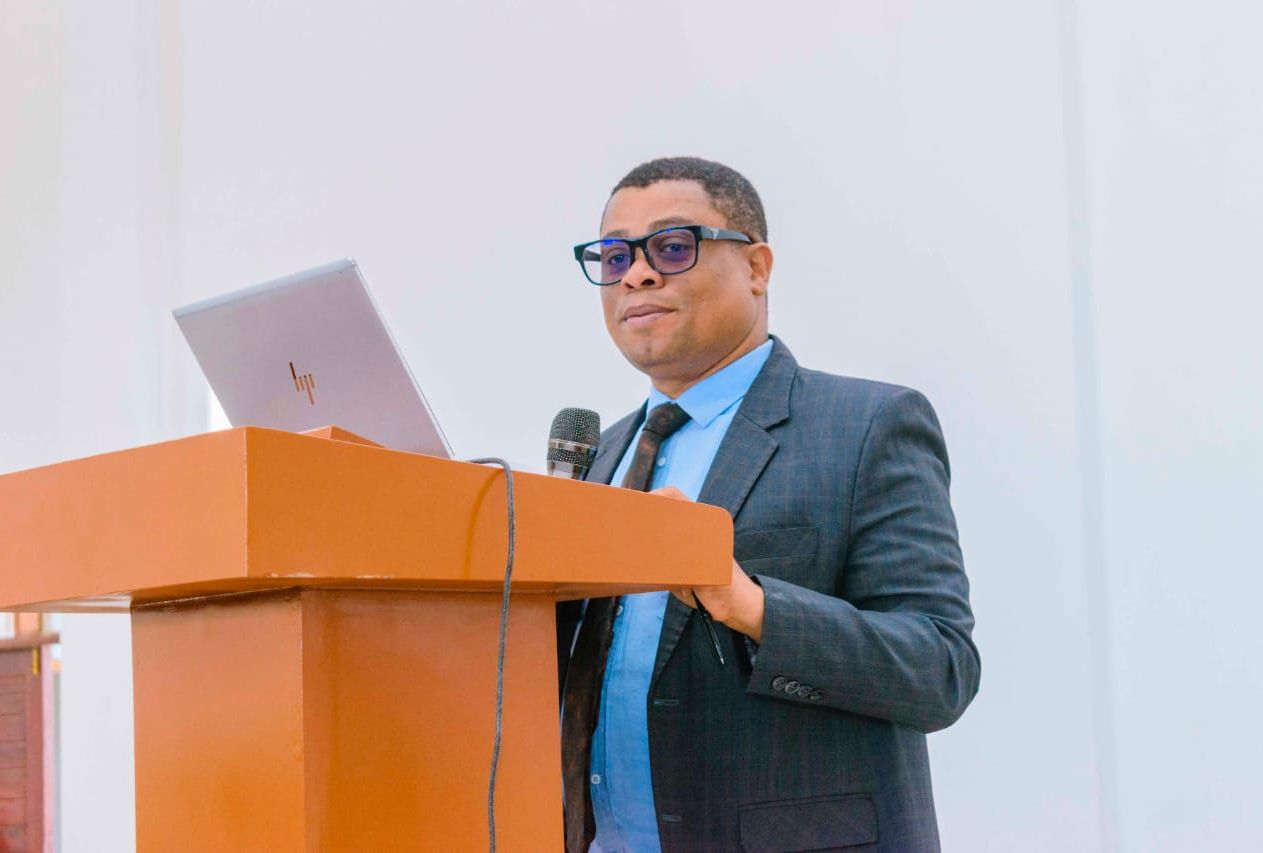
Opening the dialogue, IRDP Deputy Rector for Academic, Research and Consultancy, Prof. Provident Dimoso, said the meeting was designed to enhance academic exchange and strengthen cooperation in rural development planning between Tanzania and China.
“This forum provides an important opportunity for our colleagues from China to share their experience and development journey, particularly in rural transformation and agricultural planning,” Prof. Dimoso said.
He noted that the growing partnership between the two institutions has already facilitated the implementation of a joint project focused on equipping maize and soybean farmers in Morogoro Region with improved agronomic and processing skills.
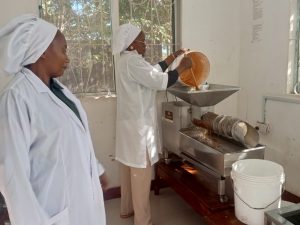
The initiative, implemented through cooperation involving the Chinese Embassy in Tanzania and the Tanzanian government, brings together experts from both institutions to train farmers on modern soybean processing technologies, including the production of nutritious soy milk.
“Through the project, soybeans are processed into milk and distributed free of charge to pupils at Juhudi Primary School, helping to improve school attendance and learners’ wellbeing,” Prof. Dimoso explained.
He commended CAU for its contribution to improving rural livelihoods in Tanzania, describing the collaboration as a significant step towards enhancing agricultural productivity and community welfare.
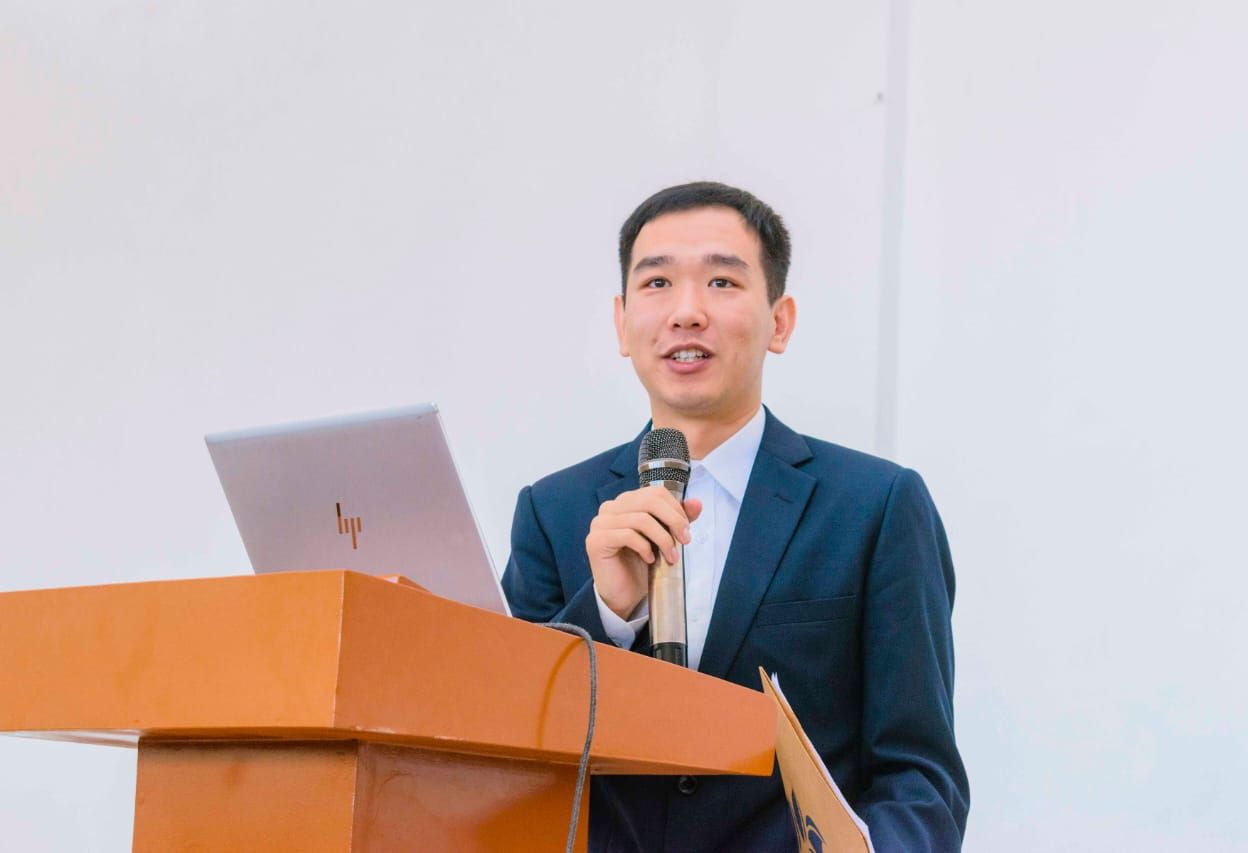
Speaking on the sidelines of the dialogue, Li Pengfei, a PhD student from China Agricultural University, said his team was highly impressed by the cooperation with IRDP.
He explained that working closely with Tanzanian experts had provided valuable insights into the country’s economic sectors, particularly agriculture.
Pengfei observed that Tanzania possesses enormous agro-ecological potential capable of supporting large-scale production of both food and cash crops. However, he stressed that investment in reliable irrigation infrastructure remains crucial for unlocking the country’s full agricultural capacity.
The Chinese scholars further noted that nearly 97 percent of Tanzania’s agricultural land still depends on rainfall, making irrigation a critical pillar for sustainable agricultural production, increased productivity and long-term food security.
The dialogue is expected to pave the way for expanded research partnerships, innovation exchange and stronger academic ties between Tanzania and China in support of inclusive rural development.