










Summary
The number of tourists visiting forest eco-tourism destinations increased by 20 percent compared to 275,723 visitors recorded during the same period last year.
Revenue collections also rose sharply by 43 percent, climbing from 2.16bn/- to 3.09bn/-.
DODOMA: TANZANIA is steadily carving out its position as a leading continental hub for eco-tourism after recording a historic breakthrough in forest conservation and eco-tourism development over the past year.
The country registered a total of 329,753 visitors to forest-based tourist attractions, generating more than 3.09bn/- in revenue within a single year, while 1,076 tonnes of honey were exported to markets in Europe and the United States.

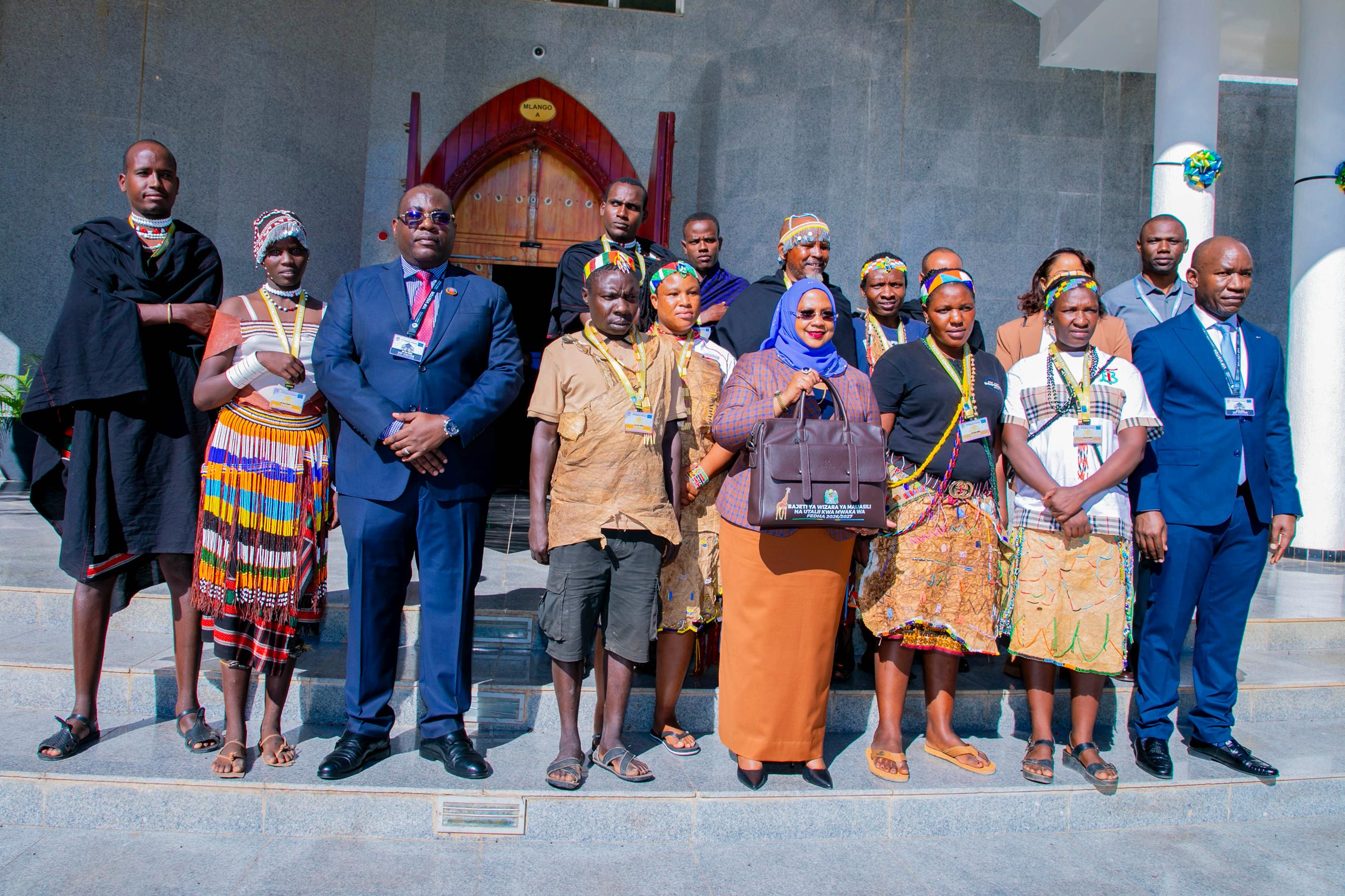
The impressive figures attained through the Tanzania Forest Services Agency (TFS) have been unveiled in Parliament by the Minister for Natural Resources and Tourism, Dr Ashatu Kijaji, during the presentation of the ministry’s 2026/2027 budget speech.
Dr Kijaji said the number of tourists visiting forest eco-tourism destinations increased by 20 percent compared to 275,723 visitors recorded during the same period last year.
She noted that revenue collections also rose sharply by 43 percent, climbing from 2.16bn/- to 3.09bn/-.
“This underscores the government’s growing success in transforming forests into a new pillar of the country’s tourism economy,” she said.
According to the minister, the strong performance has been driven by heavy investments in eco-tourism infrastructure, aggressive promotional campaigns and the growing popularity of tourism sporting events that continue to attract both domestic and international visitors.
During the past year alone, the Tanzania Forest Services Agency (TFS) constructed six modern tourism gates in Meru, Vikindu, Mwambesi, Pindiro, Mount Rungwe and Lake Duluti forest reserves.
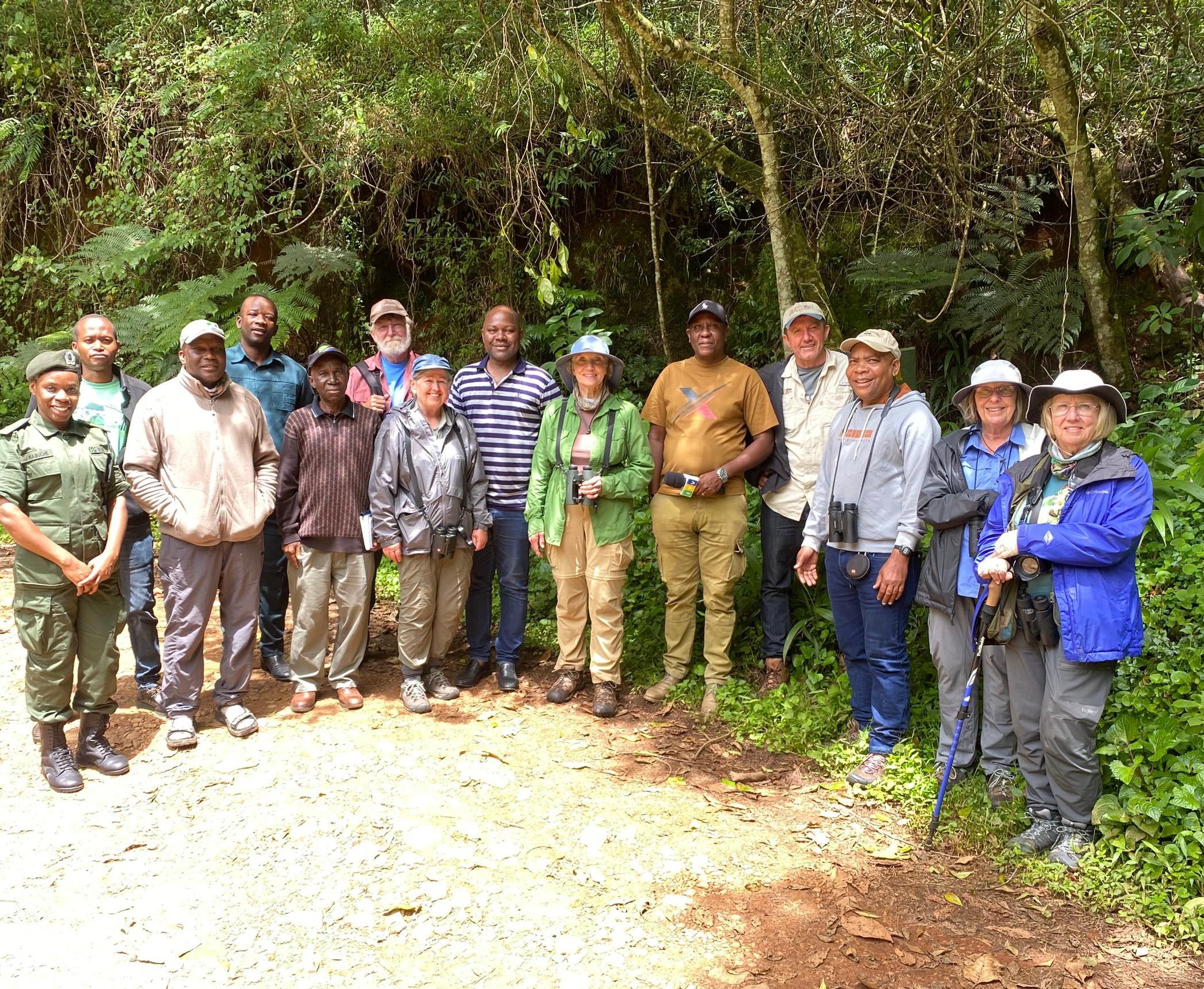
The agency also developed special boardwalks in the Sahare-Tanga and Amani forests, while rehabilitating more than 287 kilometres of tourist trails across 24 forest reserves nationwide.
Tourism competitions and festivals hosted within forest reserves have also emerged as powerful marketing tools for Tanzania’s attractions.
Among the major events highlighted by Dr Kijaji were Tukutane Mt. Rungwe Season II, Meru Adventure Race, Mkwawa Rally, Rombo Marathon, Kalambo Waterfalls Tourism Festival and the Uni Pugu Easter Experience.
Beyond tourism growth, the government has intensified efforts to combat forest destruction and illegal trade in forest products.
Dr Kijaji said TFS carried out 363 strategic patrols and 12,854 routine patrols across various forest reserves, leading to the arrest of 1,925 suspects linked to forest-related crimes.
Through the operations, authorities confiscated 39,900 sacks of charcoal, 31,046 timber planks equivalent to 1,321 cubic metres, 1,556 logs and more than 29,000 livestock that had illegally entered protected forest areas.
TFS has also strengthened efforts to control forest fires through the use of satellite technology for early detection, alongside training 45 firefighting teams and more than 20,000 residents living near forest reserves.
As a result of the interventions, forest fire incidents have been declining by an average of 11 percent annually, while the size of affected areas has continued to shrink.
The government has further expanded investments in tree planting and environmental restoration programmes.
This year, TFS established new forest plantations in Geita and Rwamgasa covering a combined area of 28,000 hectares, while producing 32.8 million tree seedlings distributed to citizens and institutions for planting.
In mangrove conservation, more than 37.2 million seedlings were planted in the Tanga and Coast regions in collaboration with development partners, in a move aimed at protecting the Indian Ocean coastline from the effects of climate change.

In the apiculture sector, the minister said Tanzania continues to demonstrate strong economic potential after successfully exporting 1,076.8 tonnes of honey worth more than 12.9bn/- to markets in Europe and the United States.
She explained that the achievement followed international laboratory tests conducted in Germany on 132 honey samples collected from 31 districts, which confirmed that Tanzanian honey meets global quality standards.
“The results show that Tanzanian honey is of high quality and qualifies for both domestic and international markets,” she said.
In the 2026/2027 financial year, the government plans to further strengthen conservation, tourism and trade in forest products by preparing management plans for 99 forest reserves covering more than 2.3 million hectares, conducting 2,439 patrols and enhancing protection of natural forests, plantations and mangrove ecosystems.
TFS also plans to capitalise on major international events expected to be hosted in Tanzania, including AFCON, Miss World and the Parliamentary Conference, to further promote forest eco-tourism.
As part of the strategy, the government will complete construction of tourist camps in the Rau, West Kilimanjaro, Meru, Mount Hanang, Pugu/Kazimzumbwi and Lake Ngosi forests, while encouraging private sector investment in hotels, cottages and other accommodation facilities within forest reserves.
Additionally, TFS will build 26 modern tourist bandas in Sahare, Ras Kilomoni, Dar es Salaam, Vikindu and Pugu/Kazimzumbwi, as well as procure two tourist boats for the Sahare and Ras Kilomoni mangrove forests.
The developments reflect the government’s broader vision of transforming the forestry sector from a traditional conservation space into a major driver of economic growth, employment creation and sustainable tourism in Tanzania.