











Summary
👉 AI is no longer a concept of the future; it is currently shaping education systems, healthcare delivery, agricultural productivity, public service delivery, national security, and economic competitiveness.
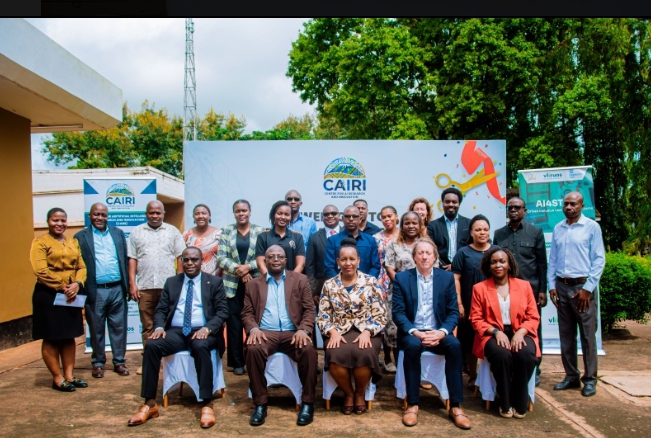
MOROGORO: THE Morogoro- based Mzumbe University has officially inaugurated the Centre for Artificial Intelligence Research and Innovation (CAIRI).
The launched facility is dedicated to fostering sustainable research that will enhance efforts to utilize AI technology for the advancement of education in Tanzania.
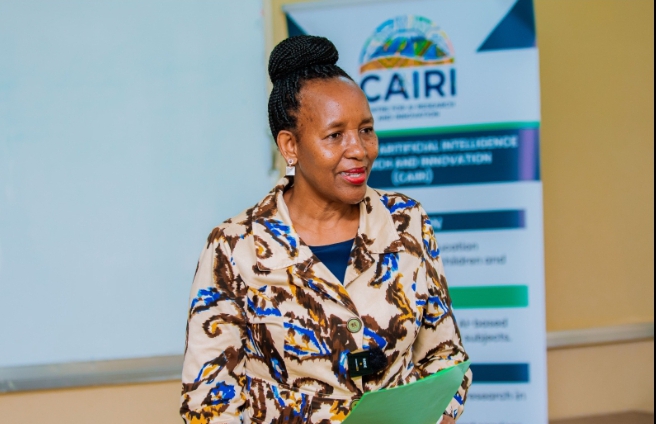
The launch event held at the university’s main Morogoro campus was presided over by the Deputy Vice-Chancellor for Academic, Research, and Consultancy, Prof. Hawa Tundui, representing the Vice-Chancellor, Prof. William Mwegoha.

The ceremony attracted various science and technology experts, researchers, development partners from Belgium, and student beneficiaries of the project.
In her remarks, Prof. Tundui said that the world is in the midst of a major technological revolution driven by AI, and universities cannot afford to be left behind.
“This centre aims to ensure ongoing research on general issues concerning the use of artificial intelligence, particularly in educational matters, and will serve as a bridge between knowledge, innovation, and the real needs of society,”Prof. Tundui noted.
The don added that CAIRI will focus on productive and implementable research and innovation through collaboration between the government and various sectors to ensure the technology yields tangible results for citizens.
The project is funded by the Belgian government through Ghent University via its long-standing “VLIROUS” initiative, which paved the way for the establishment of this centre.
Dr. Tupokigwe Isagah, a lecturer at Mzumbe University and the project coordinator for STEM (Science, Technology, Engineering, and Mathematics) studies, explained that the centre was established to address various challenges by utilizing AI to assist teachers and students, particularly in these subjects.
Dr. Isagah noted that despite the government’s efforts to strengthen technology use in the education sector, challenges persist.
“The university deemed it essential to use AI as a solution to help improve teaching and learning, as well as to address various educational challenges in the community,”Dr. Isagah added.
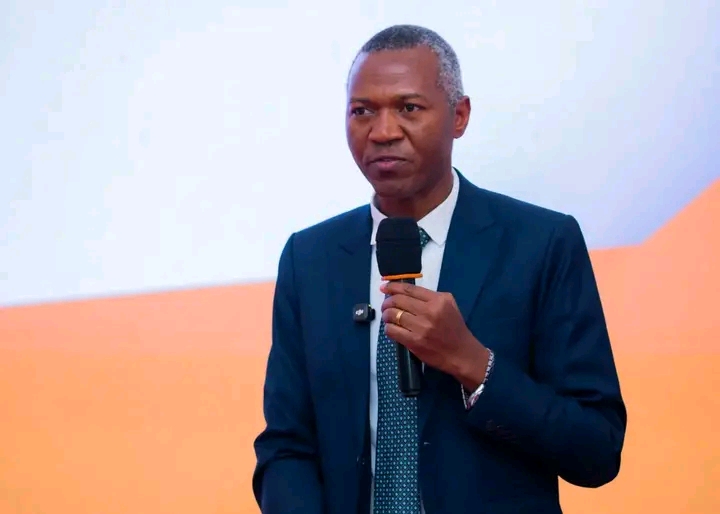
Representing the Ministry of Education, Science, and Technology, Dr. Othman Mohamed stated that the launch of the centre is part of implementing the broader national strategy for entering the digital economy.
“AI is already transforming the world, from education and health to agriculture and national security. Tanzania must be part of this change,” said Dr. Othman.
He added that the government is continuing to prepare a national AI strategy and strengthen the use of this technology in the education sector by improving ICT infrastructure and establishing guidelines for its proper application.
“This is not just the opening of a centre; it is the opening of a new chapter in Tanzania’s journey towards a knowledge-based, technology-driven economy, a vision clearly articulated in our national development frameworks, including the Tanzania Development Vision 2050,”Dr Othman detailed.
He said establishment of CAIRI comes at a time when Tanzania, and the world are undergoing a profound digital transformation powered by Artificial Intelligence (AI).
“AI is no longer a concept of the future; it is currently shaping education systems, healthcare delivery, agricultural productivity, public service delivery, national security, and economic competitiveness,” he observed.
He said the incepted centre will therefore advance AI-driven solutions to address national challenges, strengthen research and innovation ecosystems, build local capacity and expertise in AI technologies, and position Tanzania as a regional hub for AI innovation.
On his side, the Director of Innovation, Research, and Development at the National Planning Commission, Dr. Evodius Marco, expressed that the launch of CAIRI aligns directly with the National Development Vision 2050, which aims to build a knowledge-based, innovative, and technology-driven economy for Tanzania.
He added that in the initial phase of implementing this vision, the government is emphasizing the use of technology as a catalyst for production, employment, and economic competitiveness.
“We cannot achieve the goals of Vision 2050 without strong investment in science, technology, and innovation. This centre is a practical step in that direction,” Dr. Marco insisted.
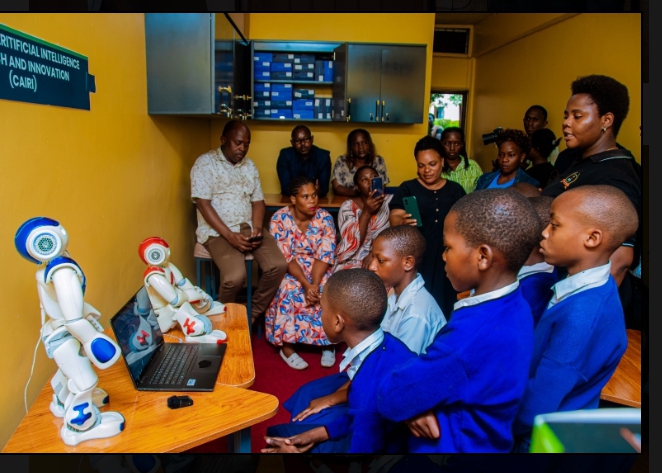
Ms Debora Malyango from Mzumbe Primary School stated that the launch of this project has increased students’ motivation to learn mathematics and reduced truancy.
She said that since the introduction of AI in mathematics lessons at the school in 2024, it has helped simplify teaching for educators and improved student performance.
Ms Malyango added that if the project is further developed, it has the potential to bring significant transformation to the teaching and learning process.
“Previously, it was difficult to attract children in the classroom. Now they are eager to learn, participate more, and truancy has decreased significantly,” said she said.
The Strategic Importance of CAIRI
The establishment of CAIRI comes at a time when our country, Tanzania, and the world are undergoing a profound digital transformation powered by Artificial Intelligence (AI). AI is no longer a concept of the future; it is currently shaping education systems, healthcare delivery, agricultural productivity, public service delivery, national security, and economic competitiveness.
The centre will therefore advance AI-driven solutions to address national challenges, strengthen research and innovation ecosystems, build local capacity and expertise in AI technologies, and position Tanzania as a regional hub for AI innovation.
Government Commitment to AI
The government of the United Republic of Tanzania fully recognizes the transformative power of AI and is taking deliberate steps to harness it for national development. As a nation, we have already made significant progress through:
Developing a National AI Strategy and Framework
Tanzania is developing a National Artificial Intelligence Strategy Framework to guide responsible and inclusive AI adoption across sectors. This framework ensures that AI development aligns with national values and priorities, ethical, safe, and responsible use of AI is upheld, and innovation is balanced with societal needs.
Integrating AI in Education
Through the Ministry of Education, Tanzania has developed AI guidelines in education to ensure proper use in teaching, learning, and administration, and is implementing the National Strategy for Digital Technologies in Education, equipping schools with ICT infrastructure. As recently emphasized, the government is investing in digital tools to enhance interactive learning, innovation, and student performance.
Capacity Building and Skills Development
The government is investing in AI-related academic programmes in universities, digital skills for teachers and students, innovation hubs, and incubation centres. Today’s inauguration of CAIRI is therefore a practical realization of these commitments.
The Role of Universities and CAIRI
Mzumbe University, through CAIRI, is now entrusted with a critical national responsibility to conduct cutting-edge AI research relevant to Tanzanian realities, support evidence-based policy making, collaborate with industry and government, and nurture innovators, entrepreneurs, and problem-solvers. This Centre is not meant to be theoretical; it is designed to deliver practical AI solutions in agriculture (smart farming), education (adaptive learning systems), governance (data-driven decision-making), employment, and entrepreneurship.
Government Support to CAIRI
The government will facilitate policy and regulatory support for AI research; promote integration of CAIRI outputs into national systems; support capacity building and curriculum development in AI; strengthen partnerships between CAIRI, government agencies, and industry; and advocate for resource mobilization and funding opportunities. This, will be done jointly in cooperation with key institutions such as COSTECH and other stakeholders to ensure that CAIRI thrives and delivers impact.