








Summary
AMDT’s POWER project reaches over 3,000 farmers, boosts market access and cuts post-harvest losses.
DAR ES SALAAM: The Agricultural Markets Development Trust (AMDT) is spearheading a major initiative aimed at transforming Tanzania’s food systems by promoting whole grain consumption, improving nutrition, increasing farmers’ incomes and reducing post-harvest food losses.
The initiative, known as The Project for Promoting the Use of Whole Grains for Improved Nutrition, Increased Income and Reduced Food Loss (POWER), is being implemented under the RE-GAIN Programme, managed by AGRA in Tanzania.
The project is currently being rolled out across Morogoro, Manyara, Iringa, Njombe, Mbeya, Songwe and Ruvuma regions, targeting smallholder farmers, processors, institutional buyers and consumers.
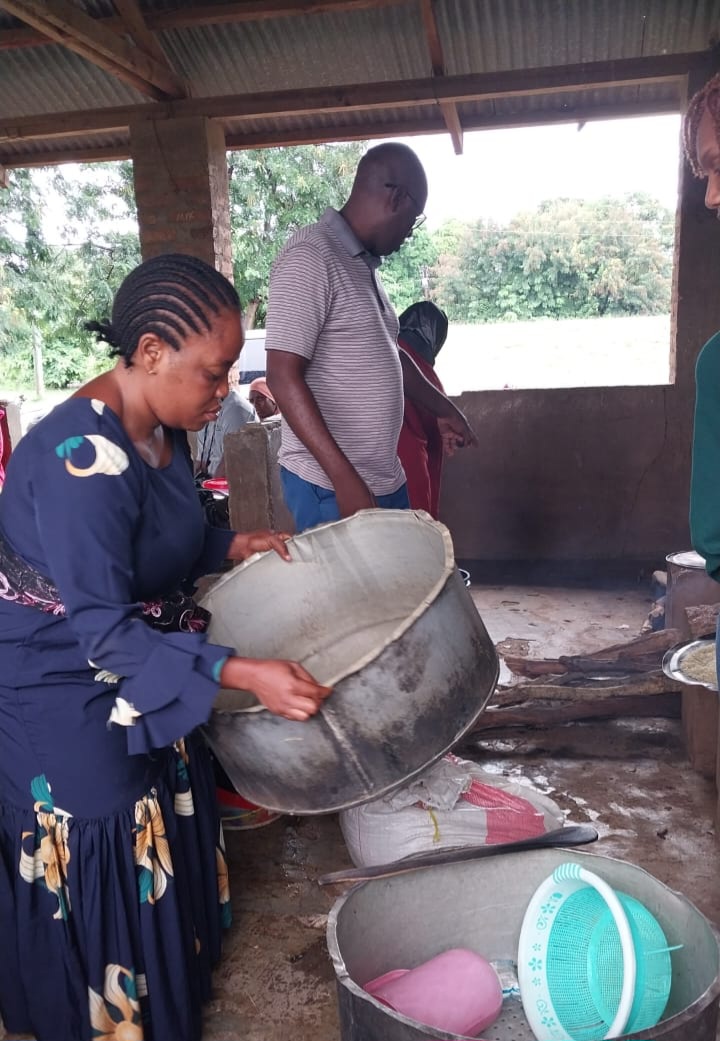
AMDT Project Management, Monitoring Results and Measurements Officer, Mr. Delta Shila, said the project seeks to strengthen the entire whole grain value chain while encouraging healthier diets among Tanzanians.
“Our vision is to promote the consumption of whole grain foods for improved nutrition, strengthen processing capacity and product quality, and reduce post-harvest losses,” Mr Shila said.
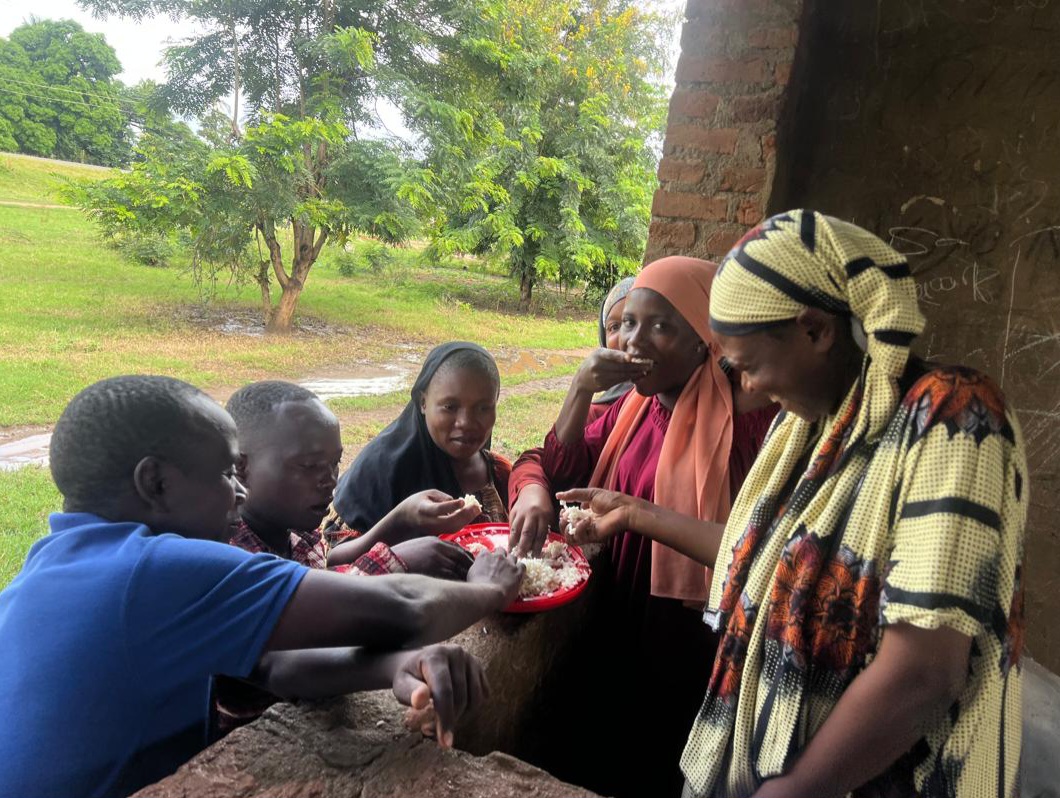
He explained that the project primarily benefits maize and rice farmers supplying grain to processors, micro, small and medium enterprises (MSMEs) engaged in whole grain processing, institutional markets such as schools and hospitals, and young people seeking employment opportunities in agribusiness.
According to Mr Shila, the project addresses several longstanding challenges affecting Tanzania’s food sector, including limited processing capacity, poor product quality, fragmented market linkages and low consumer awareness about the nutritional and economic value of whole grain products.
“The project is also tackling negative consumer perceptions of whole grain foods by raising awareness of their health benefits and commercial potential,” he noted.
The POWER project represents a strategic intervention designed to improve food security while creating sustainable agricultural markets. By strengthening processing capacity, expanding institutional markets and reducing food losses, the initiative contributes to Tanzania’s broader goals of improving nutrition, enhancing climate resilience and promoting inclusive economic growth.
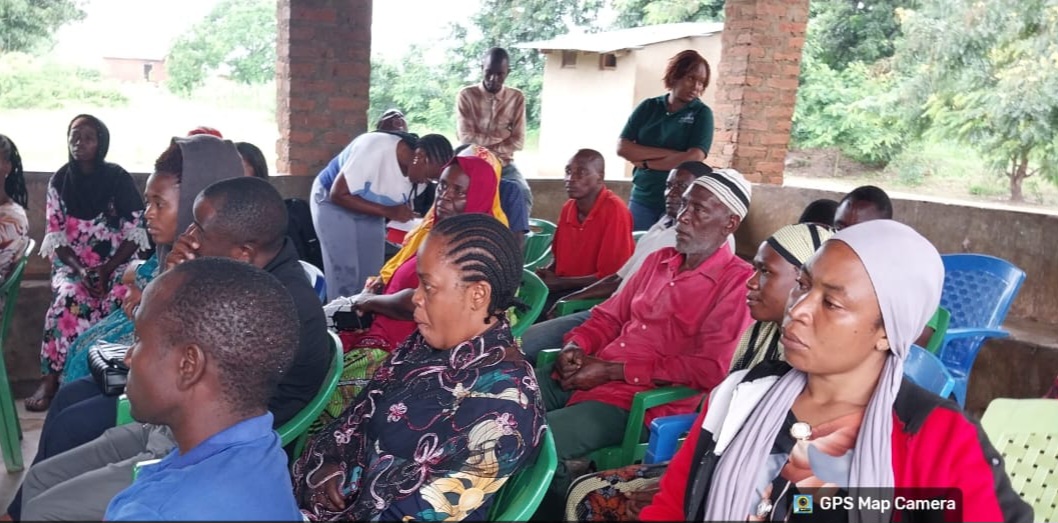
During the reporting period from April to June this year, the project reached 3,078 smallholder farmers through community awareness campaigns focusing on whole grain nutrition, healthy diets and food loss reduction.
A further 2,193 beneficiaries received practical demonstrations on food loss reduction technologies, including hermetic storage bags, metal silos, tarpaulins, moisture meters, multi-crop threshers and improved whole grain processing equipment.
To strengthen agricultural markets, the project engaged 54 Agricultural Marketing Cooperative Societies (AMCOS) and farmer groups, representing approximately 18,500 farmers, exceeding its quarterly target by eight percent.
These interventions enhanced farmers’ capacity in grain aggregation, quality management, structured marketing and post-harvest handling, while identifying commercial opportunities involving about 25,800 metric tonnes of maize and 22,700 metric tonnes of rice.
The initiative also trained 56 MSMEs on whole grain processing, food safety, quality standards, packaging and commercialisation, surpassing its training target by 12 percent.
One of the project’s notable achievements has been facilitating 22 structured supply contracts between 15 MSMEs and 18 institutional buyers, including schools and other public institutions.
The contracts cover 77.1 metric tonnes of maize and rice valued at more than TZS 113 million (USD 43,127), creating reliable markets for processors while expanding access to nutritious whole grain foods.
An assessment conducted during the reporting period identified business planning, financial management, packaging and access to finance as key areas requiring further support for MSMEs.
The findings also revealed growing investor interest in whole grain processing and packaging, paving the way for targeted business development and financial management coaching in the next phase of the project.
Gender equality and youth empowerment remain central to the initiative. Women accounted for 57.7 percent of all participants, while 790 young people, representing 34.3 percent, actively participated in project activities.
Through training, awareness campaigns and market linkage programmes, women and youth have strengthened their participation in nutrition-sensitive agriculture, food processing, post-harvest management and agribusiness.
Working closely with local government authorities, the project has ensured inclusive participation while maintaining safeguarding principles that promote safe, respectful and non-discriminatory engagement.
Agriculture remains the backbone of Tanzania’s economy, employing around 65 percent of the labour force, contributing 27 percent of Gross Domestic Product (GDP), and supplying 60 percent of raw materials for local industries.
Despite the country’s self-sufficiency in staple crops such as maize and rice, post-harvest losses remain a significant challenge, with annual losses estimated at 36 percent for maize and 12 to 16 percent for rice, largely due to poor storage, pest infestations and limited processing capacity.
Building on previous investments in climate-smart agriculture and nutrition programmes, the POWER project is expected to increase the adoption of food-loss reduction technologies, strengthen whole grain markets, improve food safety, enhance affordability and encourage wider consumption of nutritious whole grain products across Tanzania.
As implementation continues, the initiative is expected to play a pivotal role in supporting sustainable agricultural development while improving household nutrition, creating employment opportunities and increasing incomes for thousands of farmers and agribusiness entrepreneurs.