








Summary
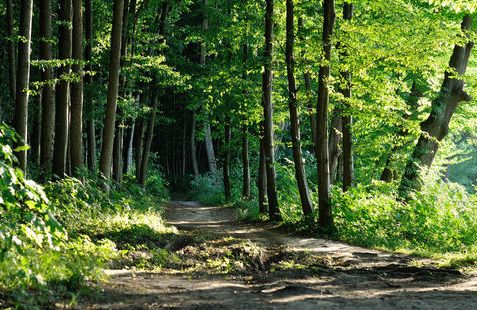
Studies indicate that the country loses approximately 469,000 hectares of forest every year, threatening biodiversity, water resources and climate resilience.
By Valentine Oforo/ Morogoro
THE Vice President’s Office has commended environmental stakeholders, including the Tanzania Forest Services Agency (TFS), for their remarkable contribution to restoring 3.3 million hectares of degraded forest land across the country by December 2024 through the Sustainable Environmental Restoration and Biodiversity Conservation Project.
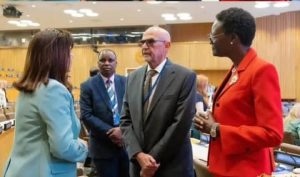
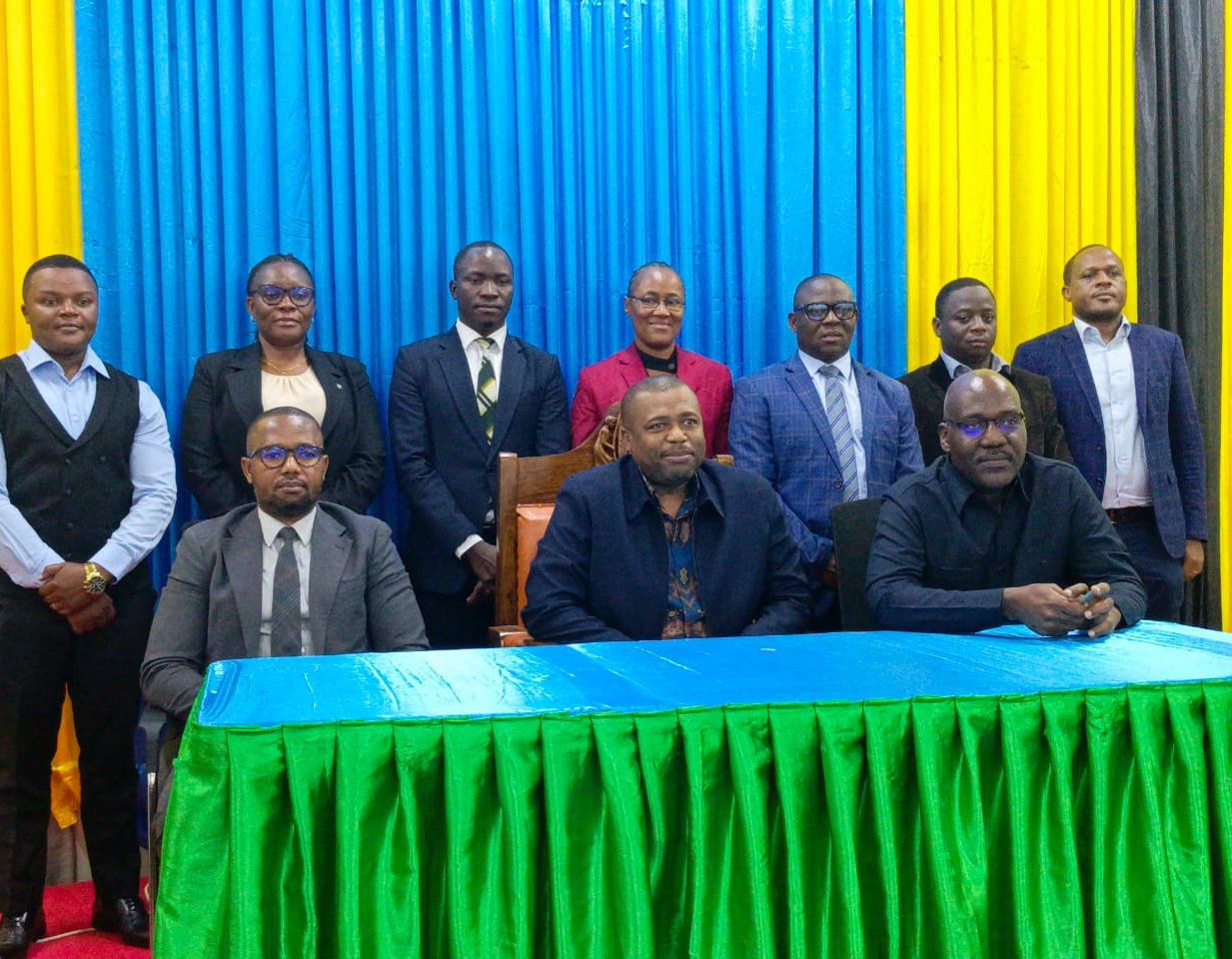
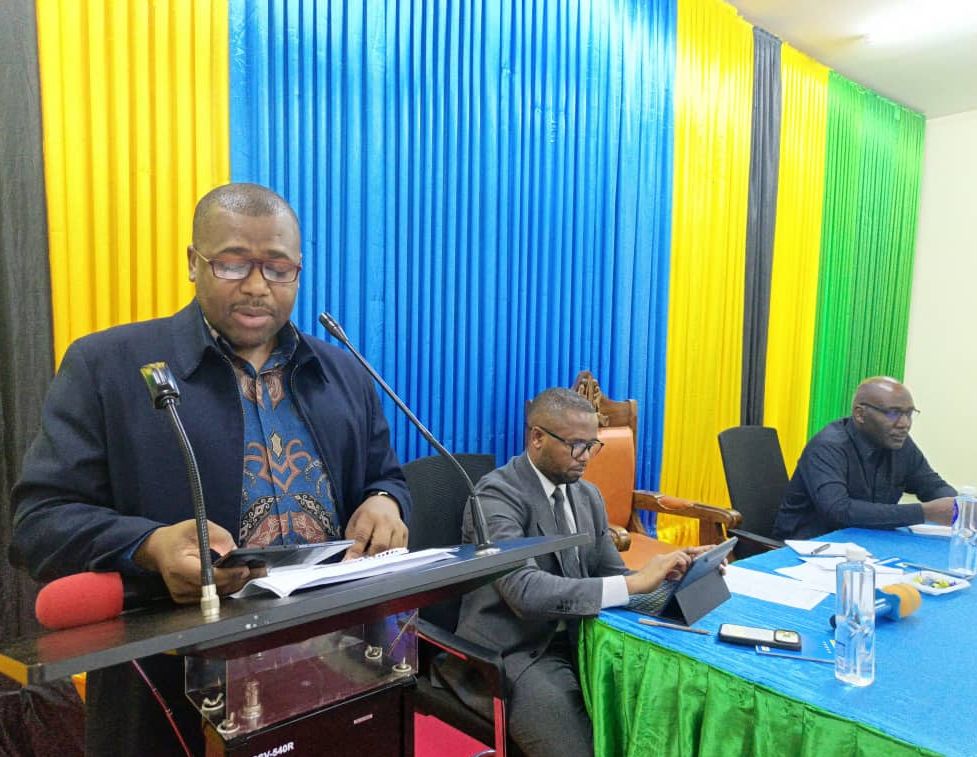
The praise was delivered by the Deputy Permanent Secretary in the Vice President’s Office (Union Affairs), Mr. Abdalah Mitawi, while opening a two-day capacity-building workshop for the National Task Force on the Restoration of Degraded Forest Landscapes in Morogoro.
Mitawi said the achievement demonstrates Tanzania’s strong commitment to both national and international environmental conservation goals.
He noted that in 2018, the government pledged to restore 5.2 million hectares of degraded land and forests by 2030 under the African Forest Landscape Restoration Initiative (AFR100).
He explained that in 2024, the government, through the restoration project, commissioned the National Carbon Monitoring Centre (NCMC) to assess progress made towards fulfilling the country’s restoration commitment.
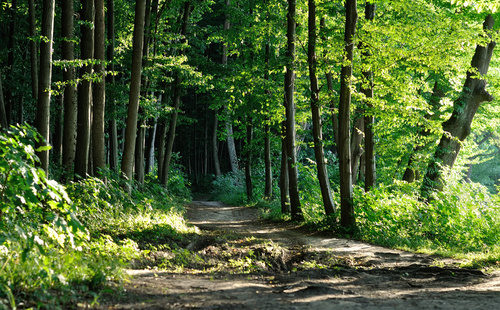
According to the assessment, Tanzania has made significant progress, with 3.3 million hectares of degraded land and forests successfully restored by December 2024, placing the country on track to meet its 2030 target.
Mitawi urged environmental stakeholders to intensify restoration efforts over the coming years to ensure Tanzania not only achieves but surpasses its restoration commitment before the next national assessment in 2030.
“I call upon all environmental stakeholders to continue strengthening these efforts in every part of the country so that by the next assessment in 2030, Tanzania will have exceeded its restoration target,” he said.
Despite the encouraging progress, Mitawi warned that Tanzania continues to face serious environmental degradation.
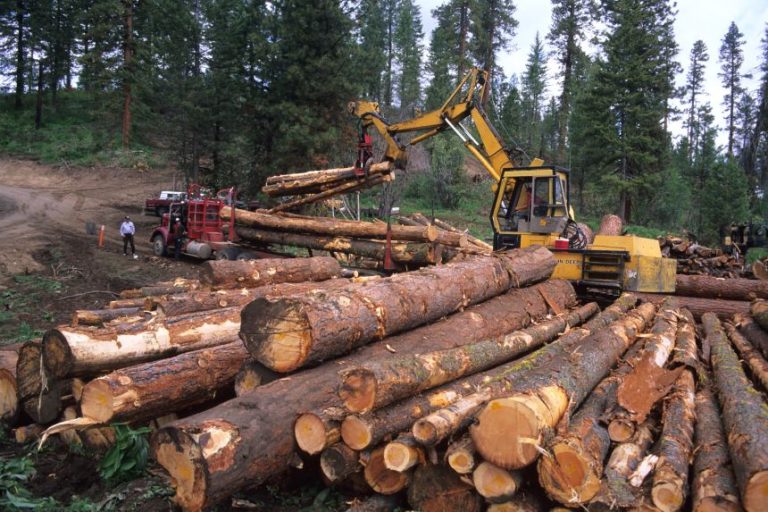
Studies indicate that the country loses approximately 469,000 hectares of forest every year, threatening biodiversity, water resources and climate resilience.
He attributed the continued destruction to unsustainable human activities, including excessive livestock grazing beyond the carrying capacity of rangelands, watering livestock at fragile water sources, illegal logging for firewood and charcoal, expansion of agricultural land through shifting cultivation, and uncontrolled mining activities.
Mitawi said the government has been implementing a range of policy and strategic interventions in collaboration with international partners and development stakeholders to accelerate environmental conservation and forest landscape restoration as a key pillar of Tanzania’s sustainable development agenda.
Speaking on behalf of the TFS Conservation Commissioner, the agency’s Director of Tree Seed Production, Dr Hamza Katety, commended the Vice President’s Office for its close partnership with TFS through projects financed by the Global Environment Facility (GEF), which have significantly strengthened forest conservation initiatives nationwide.
Dr Katety noted that since the launch of the government’s restoration strategy, one of the major challenges has been the lack of reliable data and limited information on the institutions and stakeholders involved in restoration activities across the country.
He stressed that establishing a unified platform for all restoration stakeholders would provide an effective solution for collecting accurate data, coordinating activities, and monitoring progress toward national restoration goals.
“The quickest way to improve data collection and coordination is to establish a common platform that brings together all stakeholders engaged in environmental and forest landscape restoration,” Dr Katety said.
The workshop is expected to strengthen collaboration among government institutions, development partners and environmental organisations while enhancing Tanzania’s capacity to achieve its ambitious forest restoration targets and safeguard biodiversity for future generations.