











Summary
Significant progress has already been made in equipping TFS zones, including the delivery of three out of four planned vehicles and 10 out of 18 motorcycles, alongside office and field equipment intended to improve forest monitoring and enforcement activities.
MOROGORO: THE World Wide Fund for Nature (WWF) has handed over equipment worth 1.2bn/- to the Tanzania Forest Services Agency (TFS) as part of a broader 2bn/- allocation aimed at strengthening forest protection and improving the management of central government forests across the country.
Mr. Savinus Kessy, the Project Manager for the WWF energy and climate change programme in Tanzania, expressed that the intervention is being implemented under the integrated approaches and value chain improvements in charcoal project, a multi-partner initiative largely funded by the European Union (EU) through WWF.

The project has a total value of 2.5m euros (about 7bn/-), designed to improve the charcoal and forest products value chain while enhancing the resilience of Tanzania’s forestry sector.
“The project is built around capacity building for forestry officers, provision of operational equipment and strengthening public awareness through extension services,” he said.
Significant progress has already been made in equipping TFS zones, including the delivery of three out of four planned vehicles and 10 out of 18 motorcycles, alongside office and field equipment intended to improve forest monitoring and enforcement activities.
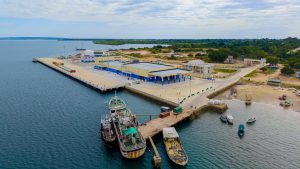
Additional technologies, including drones, are planned for procurement to enhance surveillance of large forest reserves, with patrol boats having been deployed to help curb illegal transportation of charcoal and timber.
This is particularly the case for shipments moved through maritime routes along the seashore, he said, pointing out that 120 forestry officers have received training under the project.
They include legal officers responsible for strengthening enforcement systems, with intent to improve evidence gathering while ensuring that forest law enforcement respects human rights standards, who are also being engaged to review forestry regulations.
These include local government by-laws and sustainable harvesting frameworks to ensure they are aligned with national laws and conservation priorities, he said.
The three-year project initiated in 2023 is being implemented in collaboration with the Lawyers’ Environmental Action Team (LEAT) and the Mpingo Conservation and Development Initiative (MCDI), and slated for conclusion later this year.
Its key element is building institutional capacity across TFS, local government authorities and forestry stakeholders involved in the value chain, and is currently being implemented across Dar es Salaam, Coast, Morogoro, Tabora, Mwanza and Tanga regions.
Mr. Simon Nsinda, a Principal Forest Officer, said Tanzania’s forests remain a vital national asset contributing to biodiversity conservation, climate regulation, water catchment protection and community livelihoods.
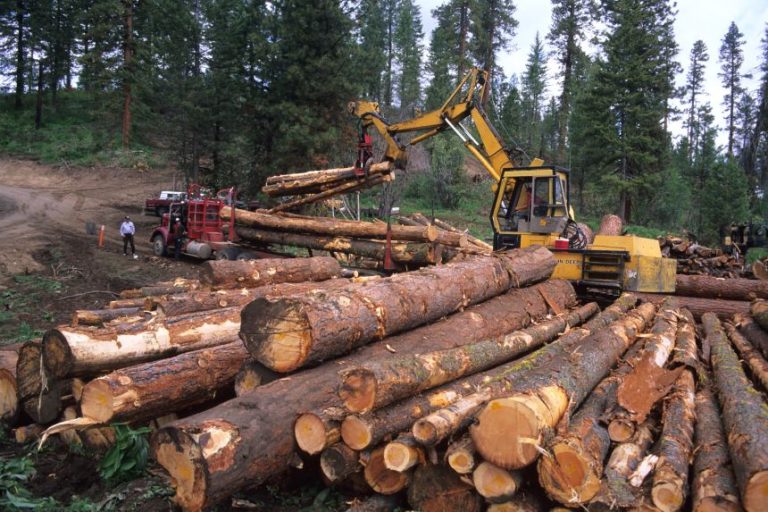
Making a presentation at a training workshop aimed at validating a module for strengthening forest law enforcement and justice systems, he said that despite its importance, the forestry sector still face significant challenges like illegal logging, illicit charcoal trade, deforestation and other environmental offenses.
The government is strengthening enforcement systems to ensure sustainable use of forest resources for current and future generations, he emphasised, where workshop participants were asked to provide input that would help refine the training module.

It is expected to enhance enforcement capacity, improve justice administration and strengthen the overall governance of forest resources, to which TFS Principal Conservator Mr. Kassim Ally said the provision of equipment and training has significantly improved conservation operations.
For his part, Mr. Rajab Rajab, the LEAT Project Coordinator, said the capacity-building initiatives have already begun to yield positive results among forestry officers, legal practitioners and prosecutors, particularly in improving coordination and ensuring that human rights considerations are upheld in forestry-related cases.
Among others, the initiative stakeholders expressed optimism that the collaboration will strengthen Tanzania’s ability to combat forest degradation while promoting sustainable management of natural resources.