







Summary
Due to the government’s strategic initiatives, Tanzania’s apiculture sector has continued to expand, enabling the country to become the leading honey producer in the East African Community (EAC), the second-largest producer within the Southern African Development Community (SADC), and the 14th largest honey producer globally.
TABORA. THE government has reaffirmed its commitment to strengthening bee products processing industries in order to increase productivity, improve livelihoods, and add value to bee products to meet the growing demand in both domestic and international markets.
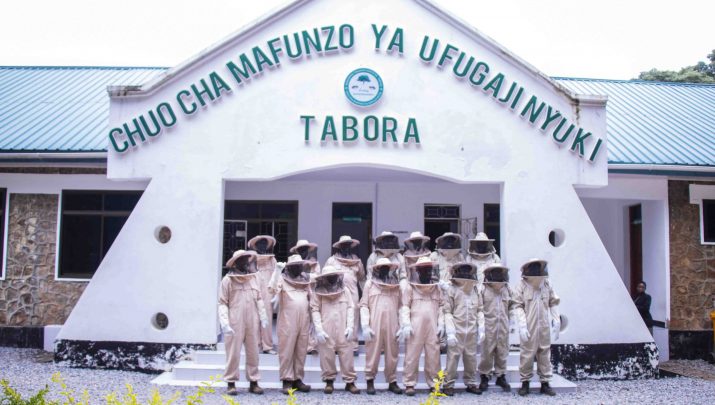
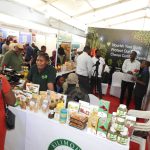
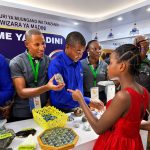
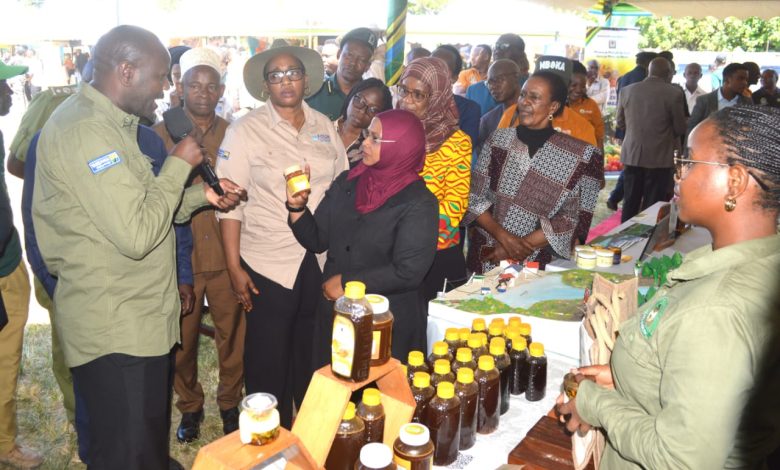
The Minister for Natural Resources and Tourism, Dr. Ashatu Kijaji, made the remarks while officiating the climax of the World Bee Day celebrations and the National Beehive Hanging Day held on May 22 this year at the War Memorial Grounds in Tabora Region.
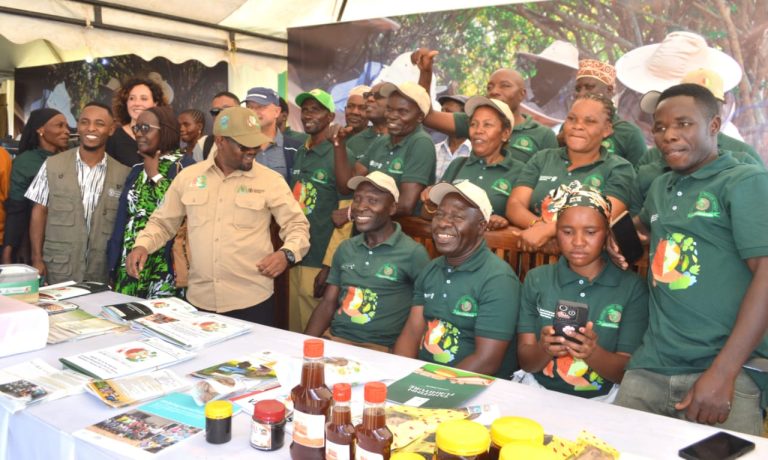
The celebrations were held under the theme: “Bee Conservation for Environmental Sustainability and National Prosperity,” a theme aligned with Tanzania’s national development agenda, including the Development Vision 2050.
Dr Kijaji said the construction of a bee products value-addition factory in Kaliua District, Tabora Region, is progressing well, with implementation having already reached 40 percent.
She noted that due to the government’s strategic initiatives, Tanzania’s apiculture sector has continued to expand, enabling the country to become the leading honey producer in the East African Community (EAC), the second-largest producer within the Southern African Development Community (SADC), and the 14th largest honey producer globally.
According to the minister, Tanzania exported a total of 1,569.8 tonnes of honey in 2025, compared to only 951 tonnes exported in 2024. The value of honey exports also rose significantly from 11.4bn/- in 2024 to 19.2bn/- by March 2025.
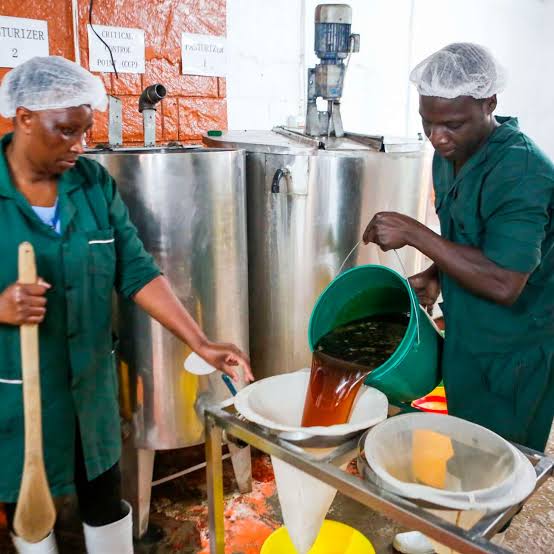
Dr Kijaji said the government, through the ministry, will continue improving bee products processing factories across the country, including those in Tabora Region, to ensure they operate efficiently and generate greater economic benefits for citizens.
She further explained that the “Better Tanzania Plan” aims to increase annual honey production from 33,700 tonnes to 75,000 tonnes, a move expected to create self-employment opportunities for at least 43,500 youths in the beekeeping sector.
“This is a strong indication that the sector is continuing to grow and benefit our citizens, especially communities involved in beekeeping activities led by Tabora Region,” Dr Kijaji said.
She added that the beekeeping sector contributes significantly to environmental conservation and the national economy, from household incomes to national revenue generation, while providing employment opportunities to an estimated two million people.
The minister also commended President Samia Suluhu Hassan, describing her as the country’s leading conservation champion whose deliberate efforts have strengthened and expanded the beekeeping industry in Tanzania.
Dr Kijaji further emphasized the importance of continued collaboration with the private sector, noting that private investors have played a major role in national development and job creation.
Meanwhile, Tabora Regional Commissioner (RC), Mr. Paulo Chacha praised local beekeepers, saying that besides producing honey, they also support forest protection efforts by helping safeguard forest areas against invasions and illegal activities.
He added that the regional ban on tree cutting for charcoal production remains in force until authorities are fully satisfied that charcoal harvesting and burning activities no longer pose environmental threats.
Mr Chacha stressed that both the regional government and the ministry must remain firm in protecting forests and conserved areas from destruction under the guise of charcoal production.