




Summary
Once completed, the pipeline will have the capacity to transport up to 216,000 barrels of crude oil per day from Uganda’s oil fields to Tanga for export to global markets.
By Prosper Makene
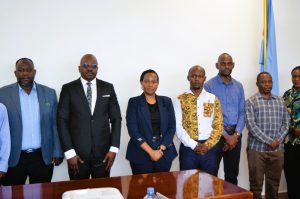
TANGA: Minister for Energy Deogratius Ndejembi has visited Tanga Region to assess the progress of major government energy projects, with particular focus on the implementation of the East African Crude Oil Pipeline (EACOP).
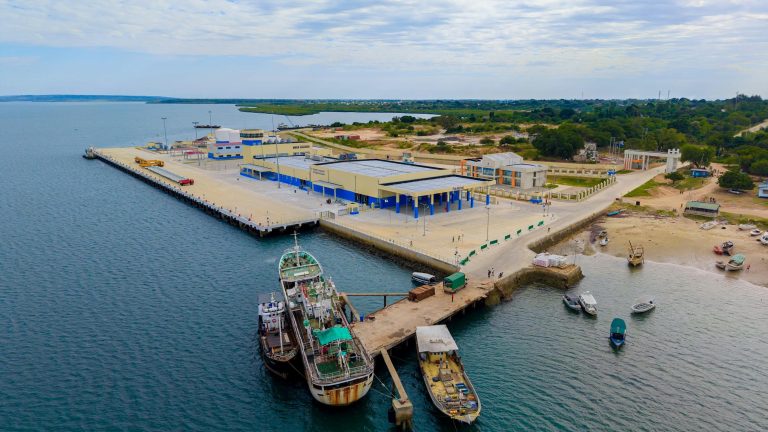
The inspection tour centres on the EACOP marine export terminal at Chongoleani, a strategic facility that will serve as the final export point for crude oil transported from Uganda to international markets through the Port of Tanga.
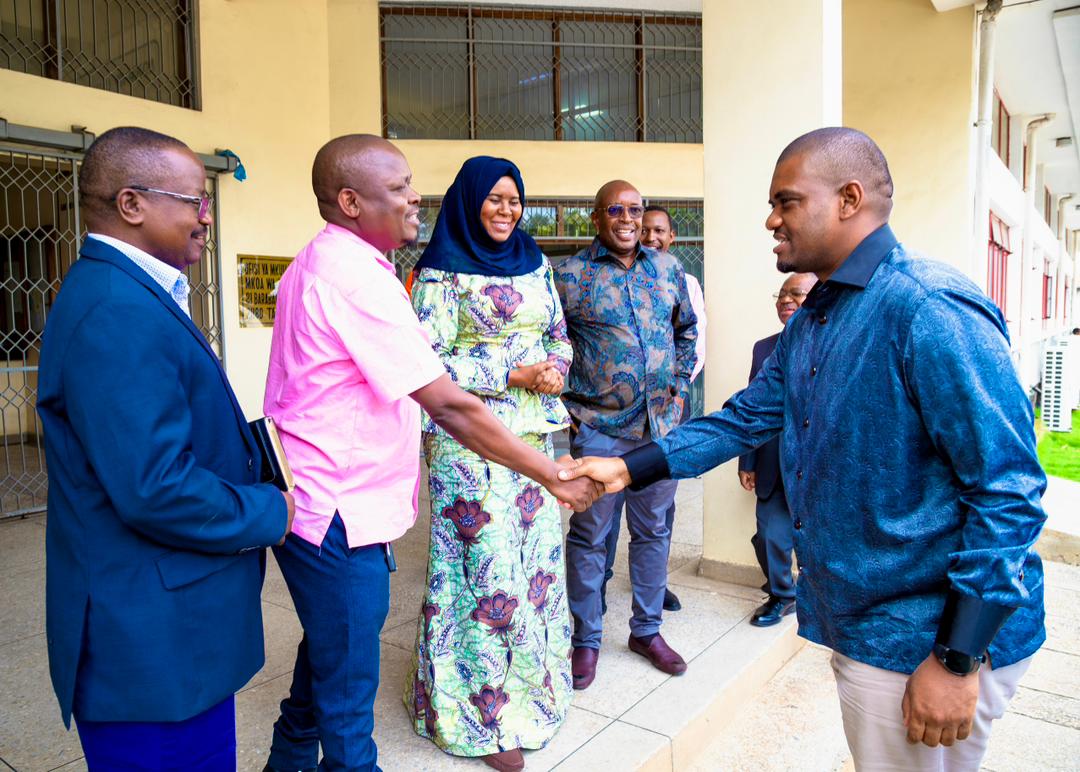
Upon his arrival, Mr Ndejembi was received by Tanga Regional Commissioner, Ambassador Dr Baltida Burian.
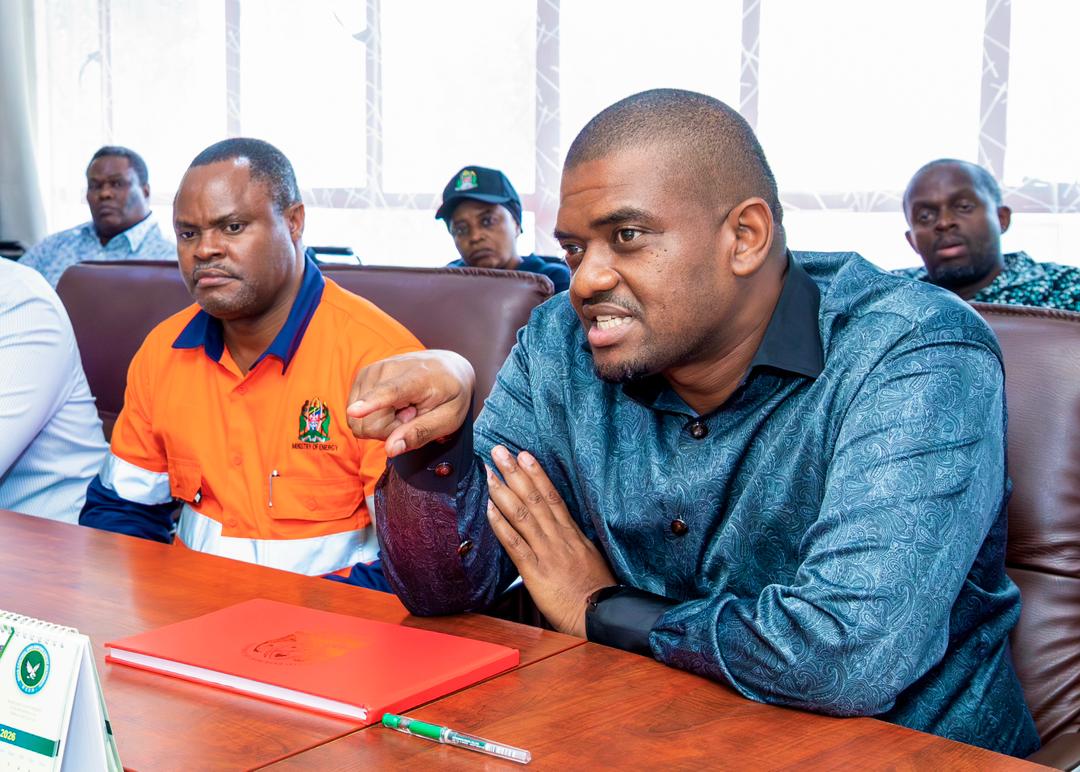
He is accompanied by senior officials and technical experts from the Ministry of Energy and its affiliated institutions, who are evaluating the project’s implementation, reviewing progress, and addressing any operational challenges.
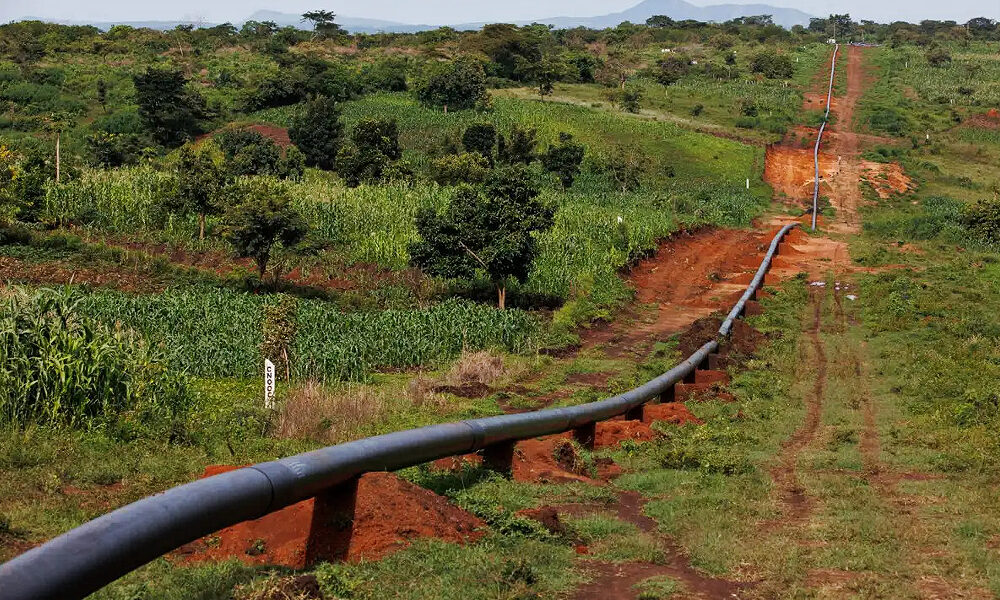
The East African Crude Oil Pipeline (EACOP) is a 1,443-kilometre heated crude oil pipeline extending from Hoima in western Uganda to the Port of Tanga in Tanzania. It is regarded as one of Africa’s largest cross-border energy infrastructure projects.
The pipeline is being developed through a joint venture involving TotalEnergies (62 per cent), the Uganda National Oil Company (15 per cent), the Tanzania Petroleum Development Corporation (TPDC) (15 per cent), and CNOOC (8 per cent).
Once completed, the pipeline will have the capacity to transport up to 216,000 barrels of crude oil per day from Uganda’s oil fields to Tanga for export to global markets.
Within Tanzania, the pipeline stretches approximately 1,147 kilometres, passing through eight regions and 27 districts, with Chongoleani in Tanga serving as the project’s marine export terminal.
The EACOP project is expected to stimulate regional trade, create thousands of employment opportunities, attract investment, and strengthen Tanzania’s position as a strategic energy and logistics hub in East Africa.