







Summary
The initiative is expected to strengthen youth participation in Tanzania’s livestock value chain while promoting commercial livestock production through science-based training.
MOROGORO/ Tanzania
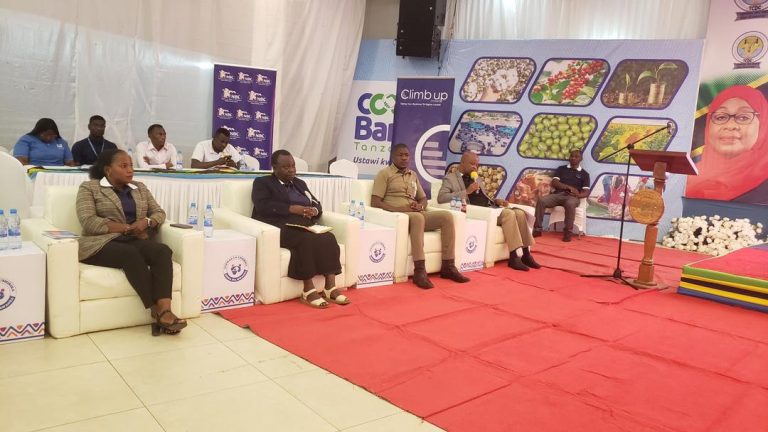
THE Tanzania Livestock Research Institute (TALIRI), in collaboration with the Building a Better Tomorrow Project I (BBT Project I), has begun developing comprehensive training modules and guidelines on goat and sheep fattening to equip young people and other livestock stakeholders with modern knowledge and skills for profitable livestock business.
The initiative is expected to strengthen youth participation in Tanzania’s livestock value chain while promoting commercial livestock production through science-based training.
TALIRI Acting Director General, Athanas Mutwe, described the move as a significant milestone in the implementation of BBT Project I, which aims to empower young people to engage in agribusiness and livestock enterprises, create decent employment opportunities, and contribute to the country’s economic growth.

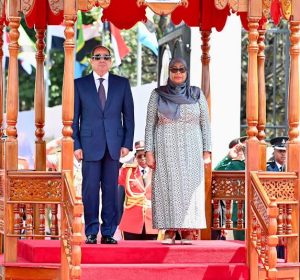
He noted that the Sixth Phase Government under the leadership of President Dr. Samia Suluhu Hassan has continued to create an enabling environment for youth and women by investing in the agriculture and livestock sectors.
He said that the BBT Project I, implemented in partnership with the African Development Bank (AfDB), is one of the strategic initiatives designed to achieve that national vision.
He highlighted Tanzania’s enormous livestock potential, noting that the country is home to more than 28.6 million goats and 9.7 million sheep.
According to him, these resources present tremendous opportunities to increase meat production, strengthen food and nutrition security, and improve the incomes of livestock keepers across the country.
However, Mutwe insisted that realizing these opportunities requires the adoption of appropriate technologies, quality training, and practical guidelines based on scientific evidence and modern livestock management practices.
On his side, BBT Project I Monitoring and Evaluation Specialist, Tumsime Mutta, said the project seeks to empower approximately 11,000 young people, facilitate the establishment of more than 6,000 youth-owned businesses, and generate about 150,000 direct jobs through agriculture and livestock enterprises.
Mutta explained that the project also focuses on developing production infrastructure, strengthening youth agribusiness incubation centres, improving access to finance, promoting the use of modern technologies, and connecting young entrepreneurs to reliable markets.
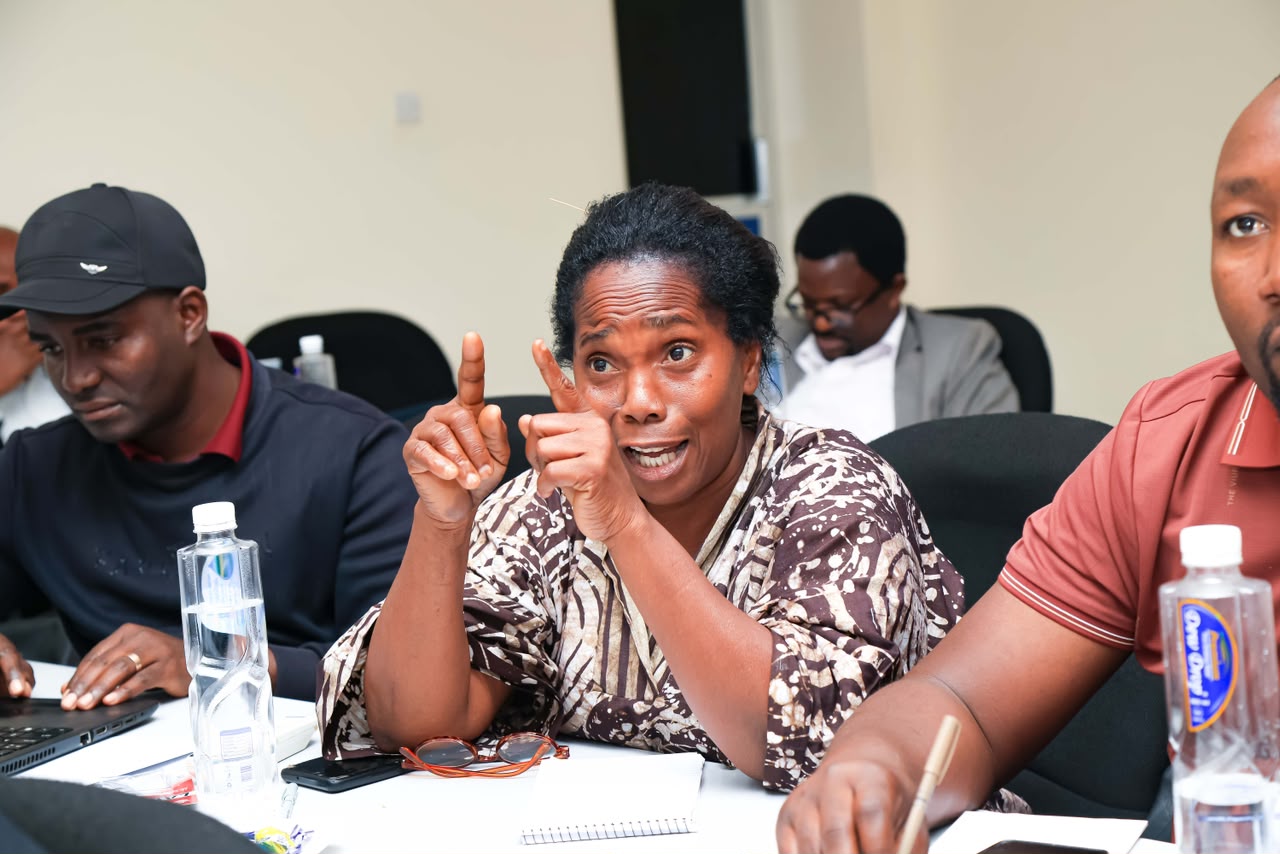
Once completed, the modules will serve as official training materials for youth agribusiness incubation centres under BBT Project I. They are expected to enhance knowledge on goat and sheep fattening among young entrepreneurs, extension officers, and livestock keepers, ultimately improving productivity, competitiveness, and the sustainable development of Tanzania’s livestock sector.