










Summary
For centuries, Russia and China have shared one of the world’s longest land borders. Geography made interaction inevitable.
By Augustino Tendwa– Diplomatic Affairs and International Relations Correspondent
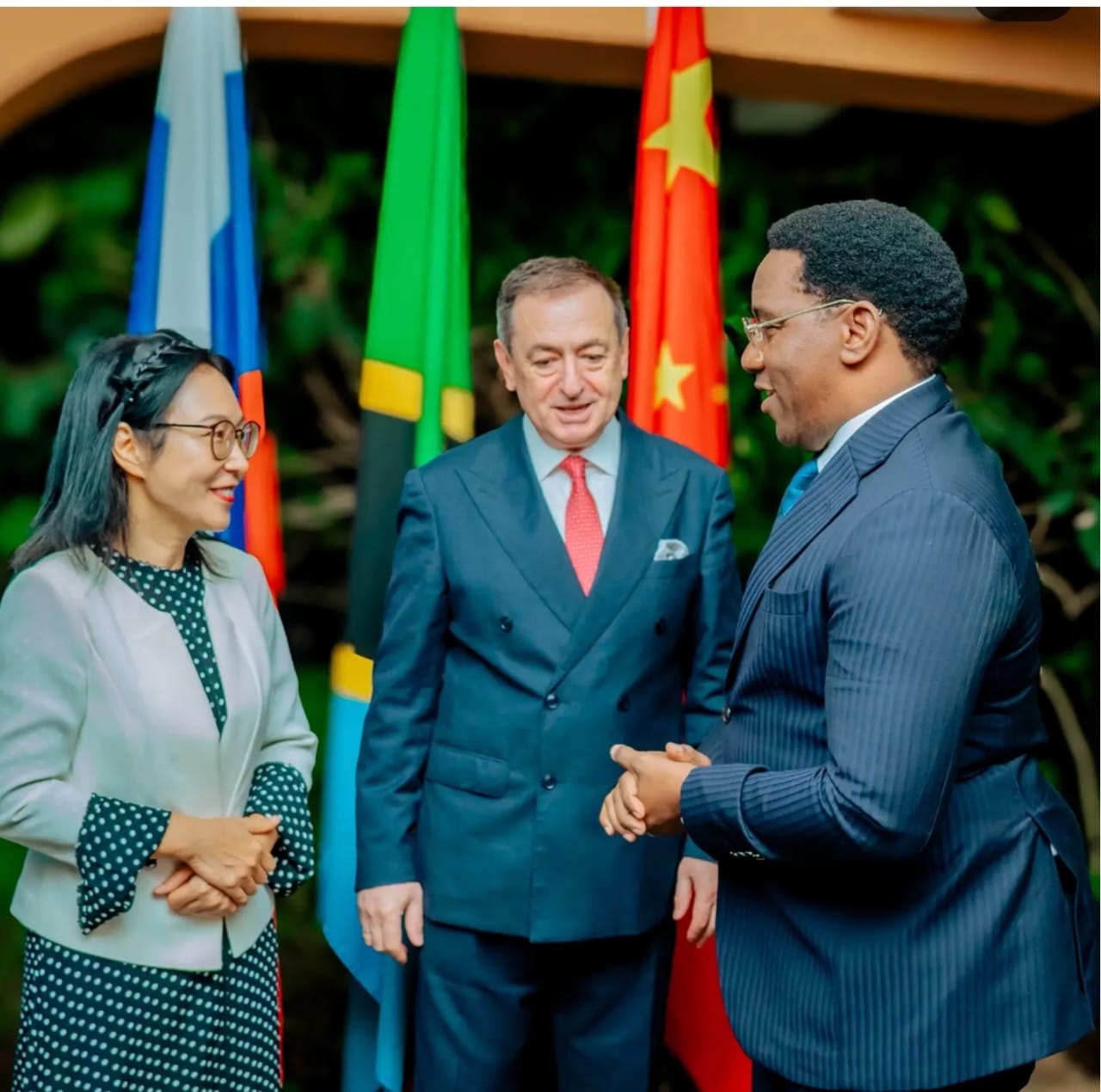
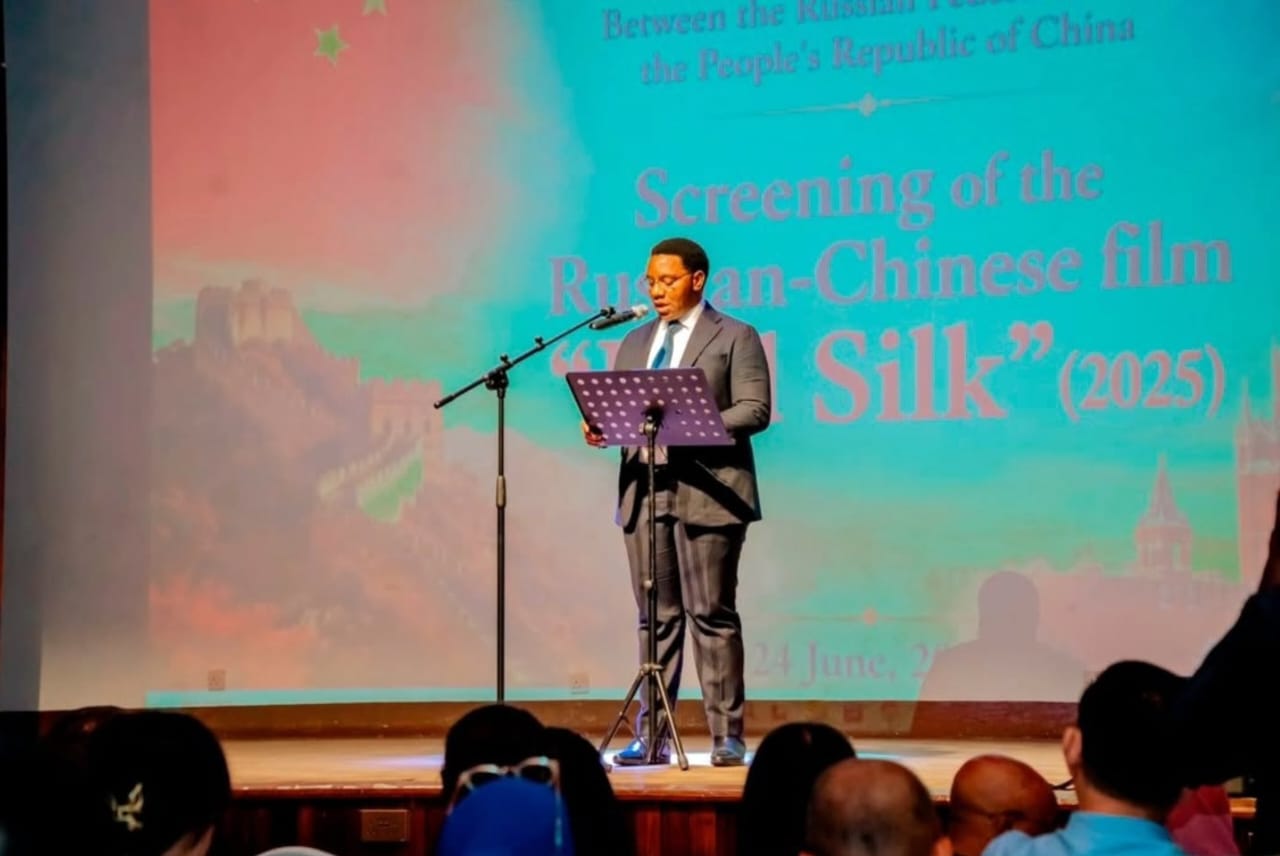
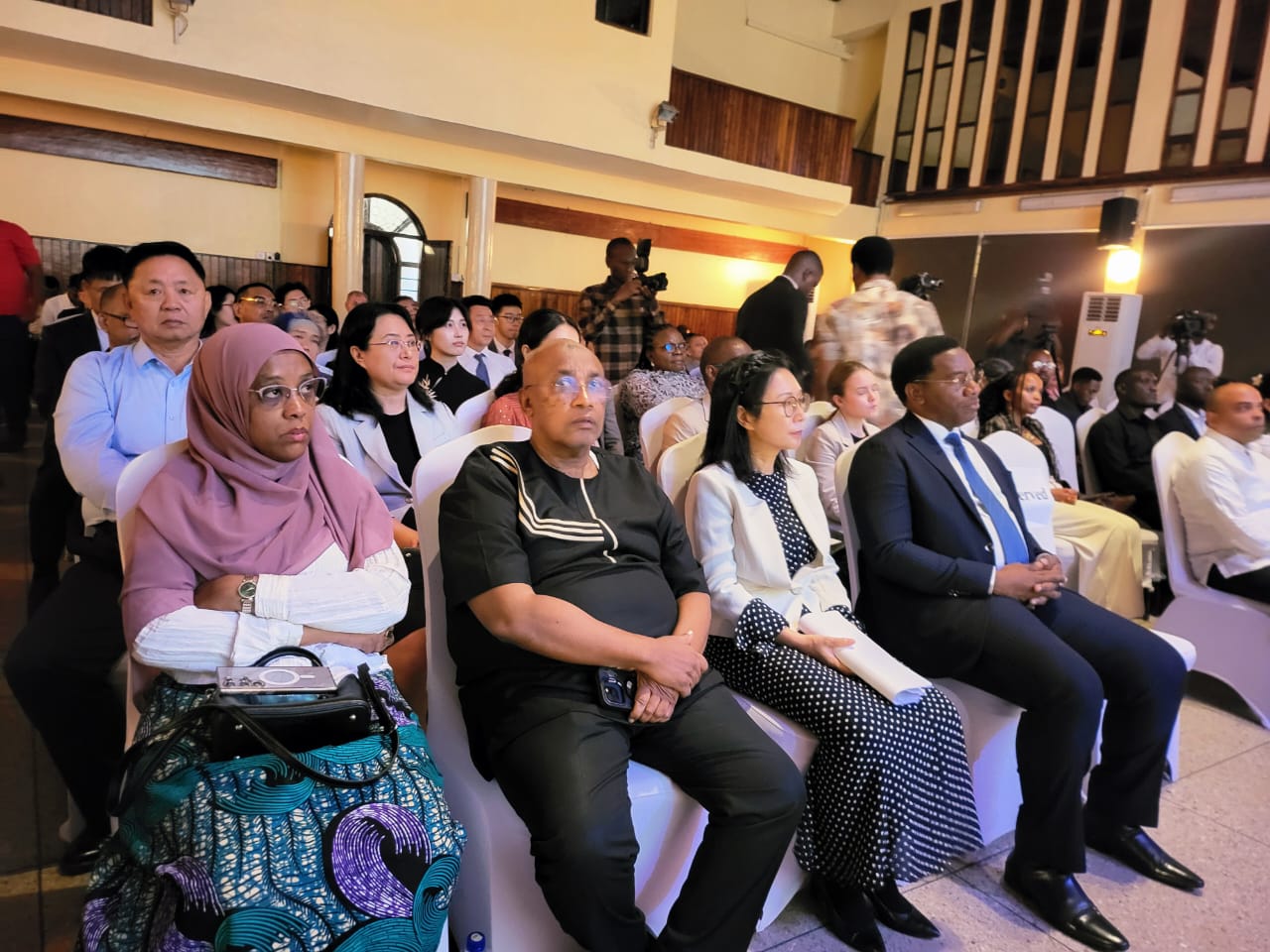
DAR ES SALAAM : On a calm evening at the Russian Cultural Centre in Sea View, Dar es Salaam, diplomats, government officials, academics and cultural enthusiasts gathered to watch Red Silk (2025), a joint Russian-Chinese film screened to commemorate the 25th anniversary of the Treaty of Good-Neighbourliness and Friendly Cooperation between Russia and China.
The event was attended by Tanzania’s Minister for Information, Culture, Arts and Sports, Hon. Paul Makonda, together with the Ambassadors of Russia and China to Tanzania.
While the film itself celebrated cultural cooperation between the two countries, it also reminded the audience of a much larger story—one of the most fascinating diplomatic transformations in modern history.
Today, Russia and China are often described as strategic partners. Their leaders meet regularly, their economies are increasingly connected, and their cooperation extends from energy and infrastructure to education, technology and culture.
Yet history tells a very different story. For long periods, the two neighbours viewed each other with suspicion, competed for influence and even came close to open conflict.
The anniversary celebrated in Dar es Salaam therefore raises an important question: What enabled two nations with such a complicated past to build one of the world’s most significant strategic partnerships?
The answer lies in a combination of geography, history, political pragmatism and changing global realities.
For centuries, Russia and China have shared one of the world’s longest land borders. Geography made interaction inevitable, but it did not always guarantee friendship. During the era of imperial expansion, both powers sought to strengthen their influence across Asia. Border disputes and competing strategic interests periodically created tensions between them.
The twentieth century brought both cooperation and confrontation. After the establishment of the People’s Republic of China in 1949, the Soviet Union became one of Beijing’s most important allies. The relationship was celebrated as a partnership between two socialist powers determined to reshape the international order.
However, ideological unity soon gave way to disagreement. By the late 1950s and early 1960s, differences over political doctrine, leadership and foreign policy had produced a deep rift. What became known as the Sino-Soviet Split divided the communist world and transformed former allies into rivals.
The rivalry was not merely political. In 1969, armed clashes broke out along sections of the border, raising fears that the tensions could escalate into a much larger conflict. For many observers at the time, a lasting reconciliation appeared unlikely.
Yet history often takes unexpected turns.
The collapse of the Soviet Union in 1991 forced leaders in both Moscow and Beijing to rethink their strategic priorities. The Cold War had ended, new economic realities were emerging, and both countries faced challenges that could not be solved through confrontation.
Instead of focusing on past grievances, Russia and China gradually chose dialogue. Border disputes that had fuelled decades of mistrust were addressed through negotiations. Political leaders began meeting more frequently, and economic cooperation expanded.
These efforts culminated in the signing of the Treaty of Good-Neighbourliness and Friendly Cooperation in 2001. More than a diplomatic document, the treaty represented a shared commitment to stability, mutual respect and long-term cooperation.
Its significance extends beyond bilateral relations. At a time when international politics is often shaped by uncertainty and competition, the treaty demonstrated that former rivals can build trust when they recognise the value of shared interests.
Over the last twenty-five years, those interests have become increasingly clear.
China’s rapid economic growth has created enormous demand for energy, raw materials and secure trade routes. Russia, with its vast natural resources and strategic location, has become an important partner in meeting some of those needs. At the same time, China offers Russia access to one of the world’s largest markets and a dynamic economic environment.
But economics alone does not explain the relationship.
Both countries have consistently advocated for a more balanced international system where multiple centres of power contribute to global decision-making. While they do not agree on every issue, they share a belief that international affairs should be guided by dialogue, respect for sovereignty and cooperation among nations.
This convergence of interests has helped transform a relationship once defined by rivalry into one increasingly characterised by strategic coordination.
Perhaps the most interesting aspect of the Russia-China partnership is that it extends beyond politics and economics. The screening of Red Silk in Dar es Salaam highlighted the growing role of cultural diplomacy in strengthening international relations.
Diplomatic agreements can establish frameworks for cooperation, but genuine understanding often develops through cultural exchanges. Films, academic partnerships, artistic collaborations and educational programmes create opportunities for people to learn about one another beyond political narratives.
In this sense, Red Silk is more than a film. It is a symbol of how culture can help bridge historical divides and build lasting connections between societies.
For Tanzania, the event offered a valuable lesson. The story of Russia and China demonstrates that historical disagreements do not have to determine the future. Nations can choose cooperation over confrontation and dialogue over division.
As global politics continues to evolve, the Russia-China experience serves as a reminder that diplomacy is most effective when it focuses not only on differences but also on common interests and shared aspirations.
The gathering at the Russian Cultural Centre was therefore more than a celebration of a treaty signed twenty-five years ago. It was a reflection on the power of diplomacy, patience and political vision.
History remembers conflicts and rivalries, but it also remembers the leaders and nations that found the courage to move beyond them. The journey of Russia and China from suspicion to partnership stands as one of the clearest examples of that possibility in the modern world.
As guests left the screening hall in Dar es Salaam, the message behind the evening’s celebration remained clear: lasting partnerships are not built by forgetting history, but by learning from it and choosing a better path forward.