


Summary
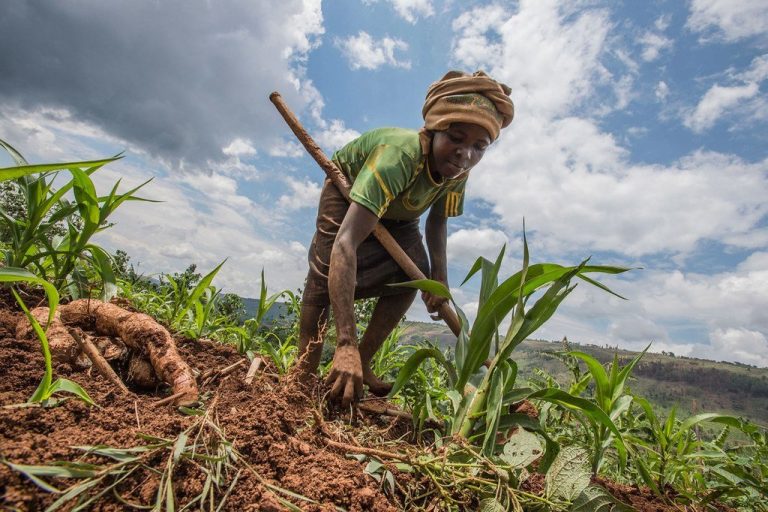
Data presented at the symposium showed that through the project, more than 2,800 farmers have been trained in agroecological farming and landscape restoration practices. The project has also facilitated the rehabilitation of 151 hectares of degraded land.
DODOMA: DESPITE the existence of the Grazing Land and Feed Resources Act of 2010, regulatory and structural gaps continue to constrain growth in Tanzania’s livestock sector, senior government officials have said.
The Deputy Permanent Secretary (PS) in the Ministry of Livestock and Fisheries, Dr Fabian Madele, made the remarks in Dodoma Capital City while opening the Landscape Innovation Symposium 2026.
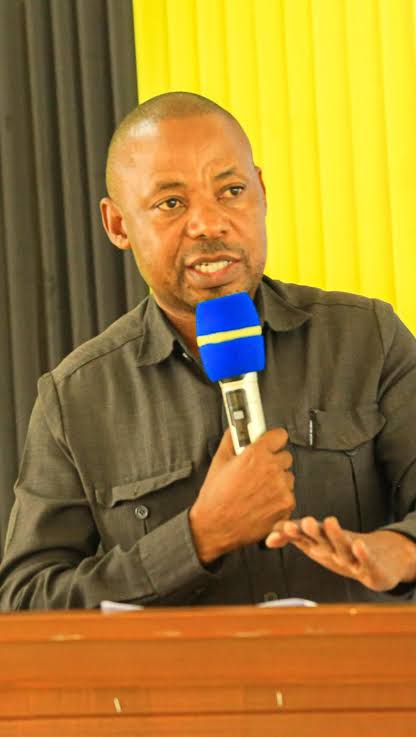
Dr Fabian Madele
The symposium, organised by the International Livestock Research Institute (ILRI), brought together scientists, policymakers and development partners to discuss strategies for building resilient rural communities through sustainable landscape management and integrated crop-livestock systems.
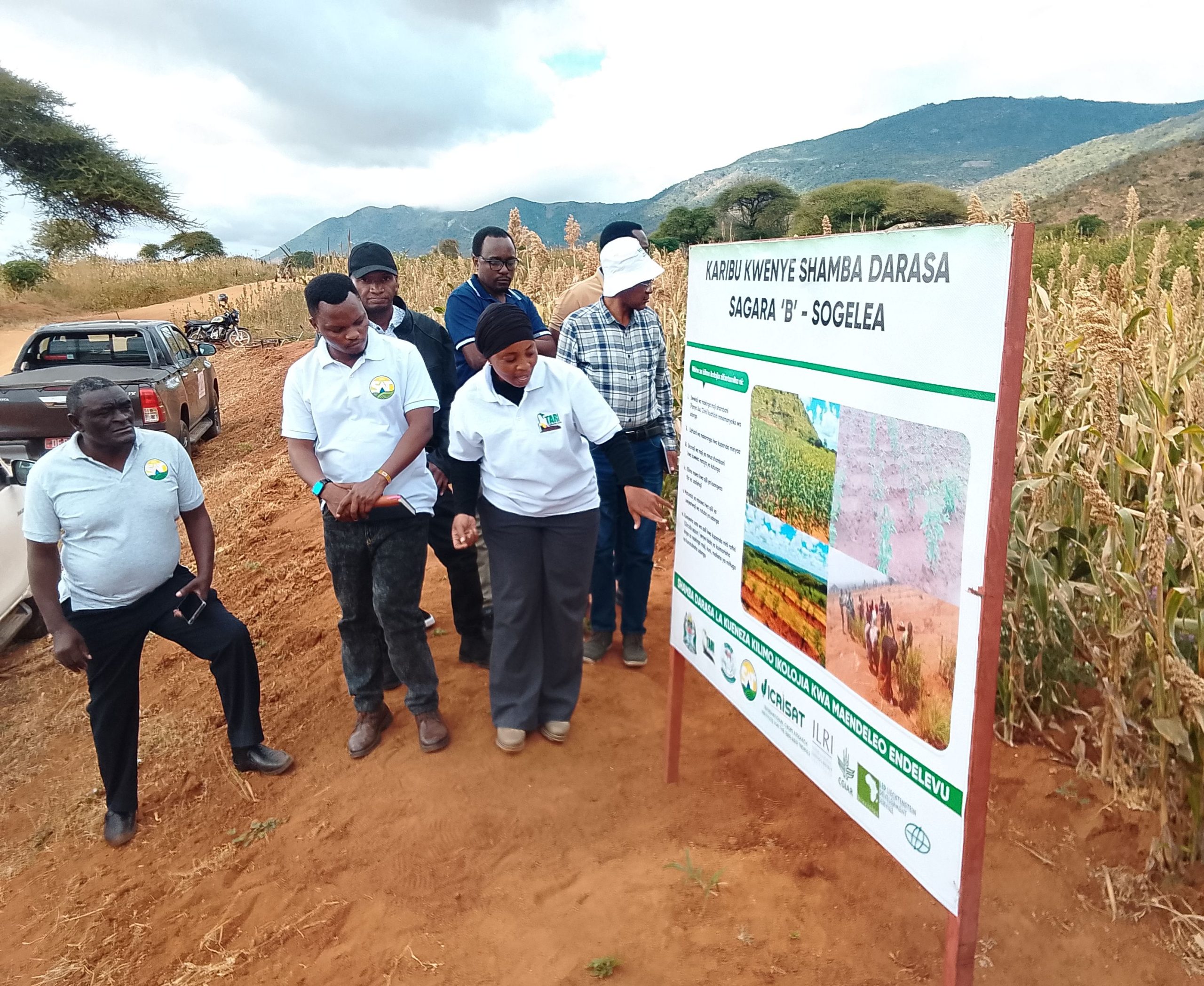
Participants reviewed progress under Phase II of the Resilient Communities (ResComm) Project, which promotes participatory agroecological practices in the semi-arid areas of Central Tanzania.
The project is being implemented in Kongwa and Mpwapwa districts in Dodoma Region to address long-standing constraints that limit livestock productivity despite the sector’s significant contribution to the national economy.
According to Dr Madele, the project’s achievements demonstrate the effectiveness of integrated landscape management in strengthening rural resilience and improving livelihoods amid increasing climate variability.
He stressed the need for stronger collaboration among government institutions, private sector stakeholders and development partners to address persistent challenges facing farmers and pastoralists, particularly those in vulnerable rural communities that depend heavily on livestock for their livelihoods.
Among the major obstacles identified were weak distribution systems for improved fodder seeds and the absence of a comprehensive national framework for managing grazing corridors in semi-arid areas.
“Addressing these challenges is critical to national development,” Dr Madele said, noting that the livestock sector contributes between seven and eight per cent of Tanzania’s Gross Domestic Product (GDP) and approximately 30 per cent of agricultural GDP.
He added that the sector supports nearly 60 per cent of rural households through food production, income generation and employment.
The project has directly benefited 13 villages—eight in Kongwa District and five in Mpwapwa District.
Financial support from development partners, including the Biovision Foundation and the Liechtenstein Development Service, has enabled the expansion of climate-smart interventions in the target areas.
During the 2024/2025 and 2025/2026 implementation periods, ILRI and the Tanzania Livestock Research Institute (TALIRI) trained hundreds of livestock keepers in improved forage conservation techniques.
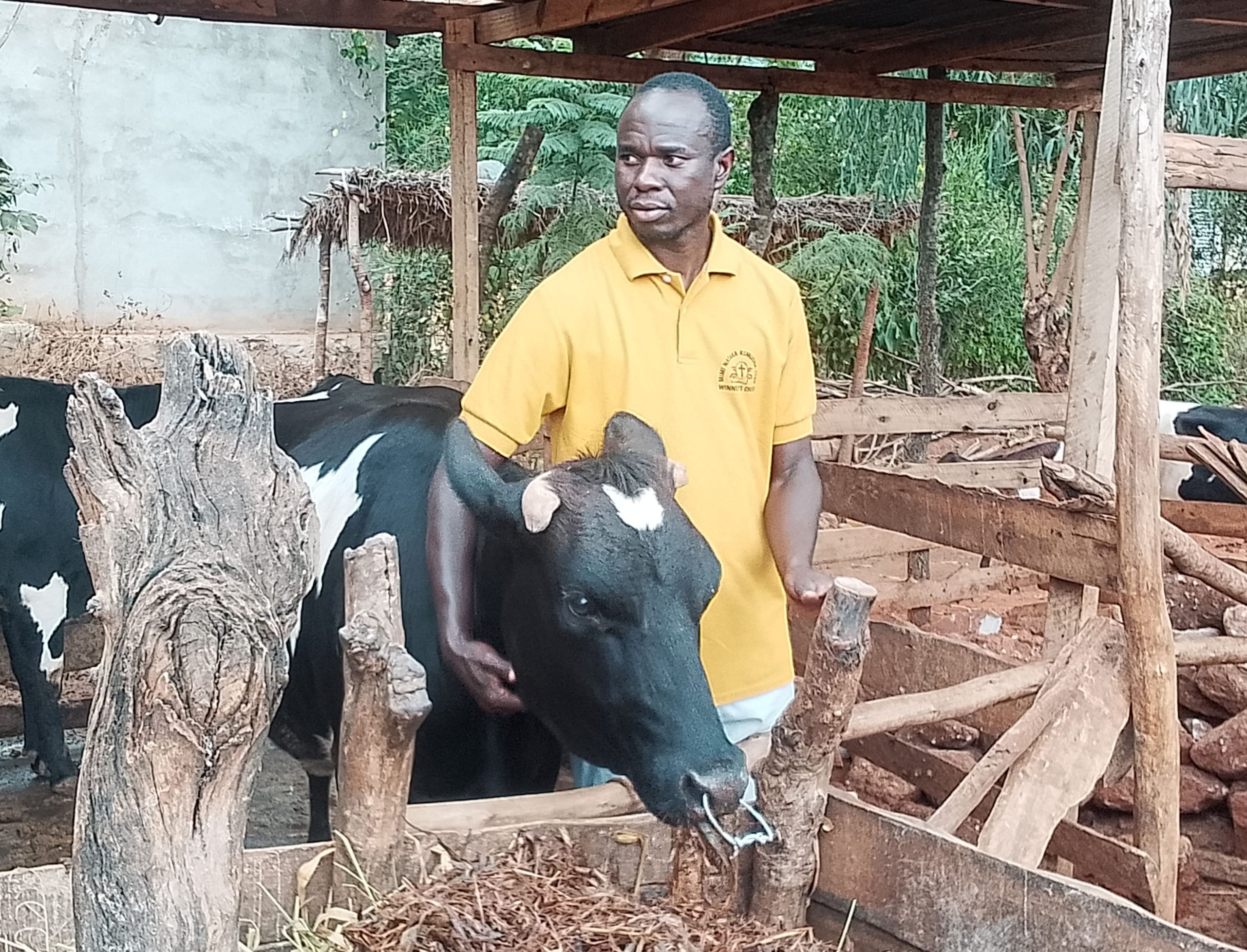
The institutions also supported the establishment of fodder banks and promoted the planting of drought-resistant fodder trees to improve feed availability during dry seasons.
Dr Madele described the initiative as a major institutional achievement under the six-year ResComm programme, jointly implemented by the Tanzania Agricultural Research Institute (TARI), the International Crops Research Institute for the Semi-Arid Tropics (ICRISAT) and ILRI.
He noted that the introduction of locally enforced by-laws in Kongwa District has helped reduce environmental degradation and improve the management of shared grazing and farming lands.
He called for the scaling up of similar agroecological models across the country.
“Climate change, deforestation and unsustainable farming practices can only be effectively addressed through coordinated action among all stakeholders,” he said.
Speaking at the symposium, ILRI Country Representative and Programme Director for Livestock, Climate and Environment, Prof. Anthony Whitbread, expressed satisfaction with the growing adoption of agroecological practices among pastoral communities.
Presenting a paper on a decade of integrated landscape and livelihood transformation in Kongwa and Mpwapwa, Prof. Whitbread said local communities have acquired valuable climate resilience skills that are helping them safeguard both crops and livestock against extreme weather events.
Meanwhile, ILRI Agrometeorologist and ResComm Project Coordinator, Dr Jacob Emanuel, said the symposium provided an opportunity to explore the expansion of the initiative beyond Dodoma Region.
He explained that the interventions build on earlier research conducted by TALIRI and the Feed the Future Africa Rising Programme, which was supported by the United States Agency for International Development (USAID).
Data presented at the symposium showed that more than 2,800 farmers have been trained in agroecological farming and landscape restoration practices. The project has also facilitated the rehabilitation of 151 hectares of degraded land.
Furthermore, the adoption of improved seed varieties and sustainable farming techniques has resulted in an 83 per cent increase in crop yields among participating households.
In addition, 33 fodder banks have been established, significantly improving feed availability and helping to stabilise livestock productivity in drought-prone areas.
Despite these achievements, experts noted that the livestock sector continues to face mounting pressure from poor pasture quality, acute feed shortages, livestock diseases, limited genetic improvement and the growing impacts of climate change.
Participants at the symposium exchanged ideas and recommendations on how to address these challenges and strengthen the long-term sustainability and competitiveness of Tanzania’s livestock sector.