








Summary
Tanzania remains among the leading troop-contributing countries promoting gender-inclusive peacekeeping operations.
DAR ES SALAAM: TANZANIA has set an ambitious target to achieve a 25 percent female representation in military contingents deployed to United Nations peacekeeping missions by 2028, reinforcing its commitment to gender-inclusive peace operations.
Currently, women account for 18 percent of the country’s overall deployed peacekeeping personnel.
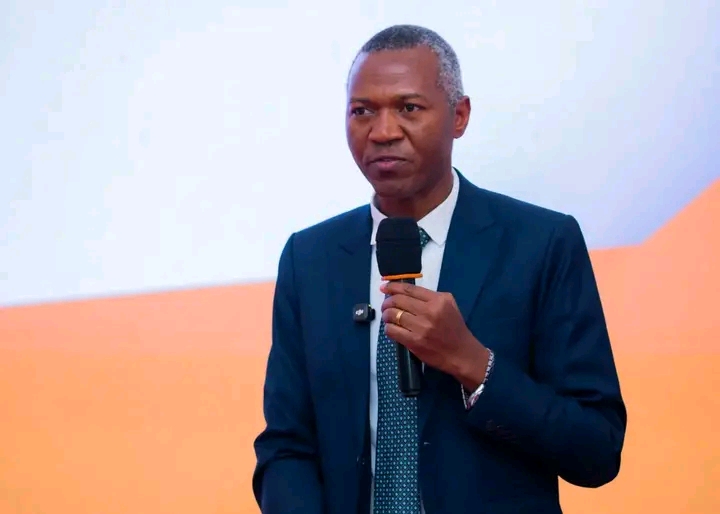
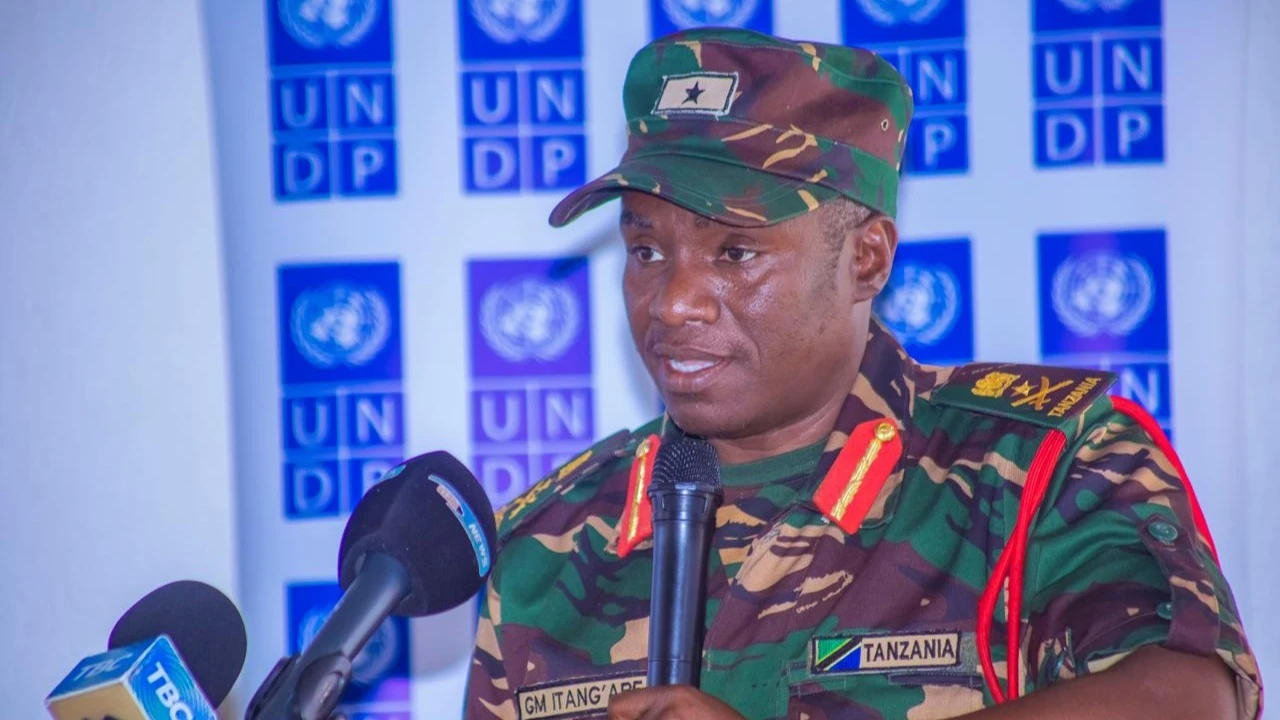
The announcement was made in Dar es Salaam by Brigadier General George Itang’are, Commandant of the Tanzania Peacekeeping Training Centre (TPTC), during the opening of the second specialized Women, Peace, and Security (WPS) training course.
Brigadier General Itang’are said the initiative aligns with the implementation of the UN Security Council Resolution 1325, which recognizes the crucial role women play in peacebuilding, conflict prevention, and global security.
“Tanzania remains among the leading troop-contributing countries promoting gender-inclusive peacekeeping operations,” he noted.
He explained that, while the country is working toward attaining the 25 percent target for military contingents by 2028, women currently make up 12 percent of deployed troops and 15 percent of staff officers in peacekeeping missions.
The Brigadier General further revealed that Tanzania also has a female officer representing the Tanzania People’s Defence Force (TPDF) at the United Nations Headquarters.
He called for continued cooperation and support from international partners and institutions to ensure women are fully integrated into leadership, command, and staff positions within peacekeeping missions.
“Advancing the Women, Peace, and Security agenda is a collective responsibility that requires close cooperation among governments, development partners, and security institutions,” Brigadier General Itang’are emphasized.
According to the TPTC Commandant, the ongoing training programme has brought together officers from various security institutions, including the military, police, immigration, and correctional services, demonstrating Tanzania’s commitment to inclusive participation in conflict prevention and post-conflict recovery efforts.
Speaking during the event, Shoichi Ueda, Deputy Chief of Mission at the Embassy of Japan in Tanzania, commended the TPTC for strengthening peacekeeping training and contributing to regional stability.
He said Japan highly values its partnership with the United Nations and the TPDF in supporting peacekeeping initiatives.
“Well-trained peacekeepers are increasingly important in addressing today’s complex global security and humanitarian challenges,” Ueda noted.
He reaffirmed Japan’s support for the meaningful participation of women in peacebuilding, mediation, and conflict prevention efforts.
Meanwhile, UN Women Country Representative Katherine Gifford praised Tanzania for advancing women’s leadership in the peace and security sector.
“Women peacekeepers play vital roles in civilian protection, mediation, and community engagement,” Gifford said, adding that investing in female officers contributes to building more resilient and stable societies.
She also applauded Tanzania for launching its first National Action Plan on Women, Peace, and Security in August 2025, describing it as “a historic milestone toward institutionalizing gender-responsive security initiatives.”
Gifford further commended the TPDF for participating in the Measuring Opportunities for Women in Peace Operations (MOWIP) initiative, saying it reflects a strong commitment to addressing institutional barriers affecting women in peacekeeping operations.