










Summary
Rondo Nature Forest Reserve is an 11,742-hectare biodiversity hotspot in Tanzania’s Lindi Region, known for its high concentration of endemic species and the threatened Rondo dwarf galago
LINDI: AS Tanzania’s tourism sector continues to carve out its growing niche on the global stage, the Tanzania Forest Services Agency (TFS) is seeking for accelerated investment to promote tourism activities within the country’s nature reserves.
These areas, including natural forest reserves, are home to valuable, eye-catching attractions, yet they receive relatively few visitors due to limited investment.
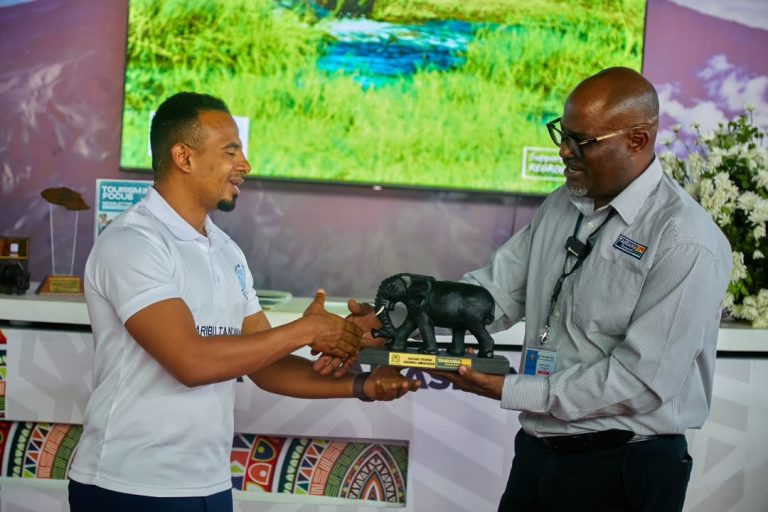
Mr. Six Mbwiga,Tourism Officer at the Rondo Nature Forest Reserve (RFR), spoke over the need for the Ministry of Natural Resources and Tourism to collaborate with the Tanzania Tourism Board (TTB) in attracting more investment to these gifted landscapes.
He noted that despite being rich in biodiversity and endemic flora and fauna, including rare birds, mammals, and the Rondo Dwarf Galago, the Rondo Nature Forest Reserve receives an average of only 30 tourists per year.
“We are proud of the government’s efforts to elevate the tourism sector, but it would be prudent to also focus on promoting ecotourism in our available nature reserves,” he said.
To achieve this, he urged the ministry and TTB to adopt a strategy that highlights the natural attractions in these areas, thereby boosting both tourist traffic and investment.
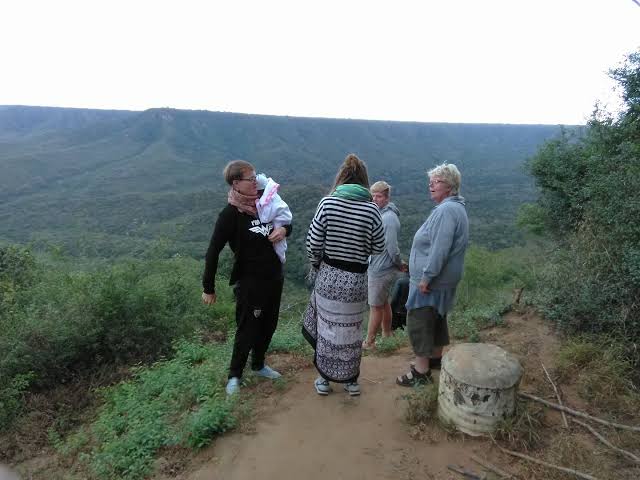
“For instance,” he observed, “the Rondo Nature Forest Reserve covers 11,742.26 hectares in southern Lindi region and is endowed with rich biodiversity suitable for sustainable ecotourism, yet it lacks key infrastructure.”
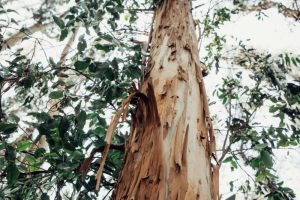
He listed some of the reserve’s key attractions, including wildlife such as the rare nocturnal Rondo Dwarf Galago (bush baby), leopards, bush pigs, birdwatching opportunities, valley viewpoints, the historic Nyerere tree, German-era relics, and towering buttress trees.
“These natural features offer unforgettable experiences. What’s needed now is effective promotion to draw more tourists,” he insisted.
Mr. Mbwiga added that TFS is implementing a special strategy to install essential infrastructure, aiming to turn the reserve into a tourism hub for the northern part of the region.
The vision includes promoting walking safaris, birdwatching, hiking, and camping.
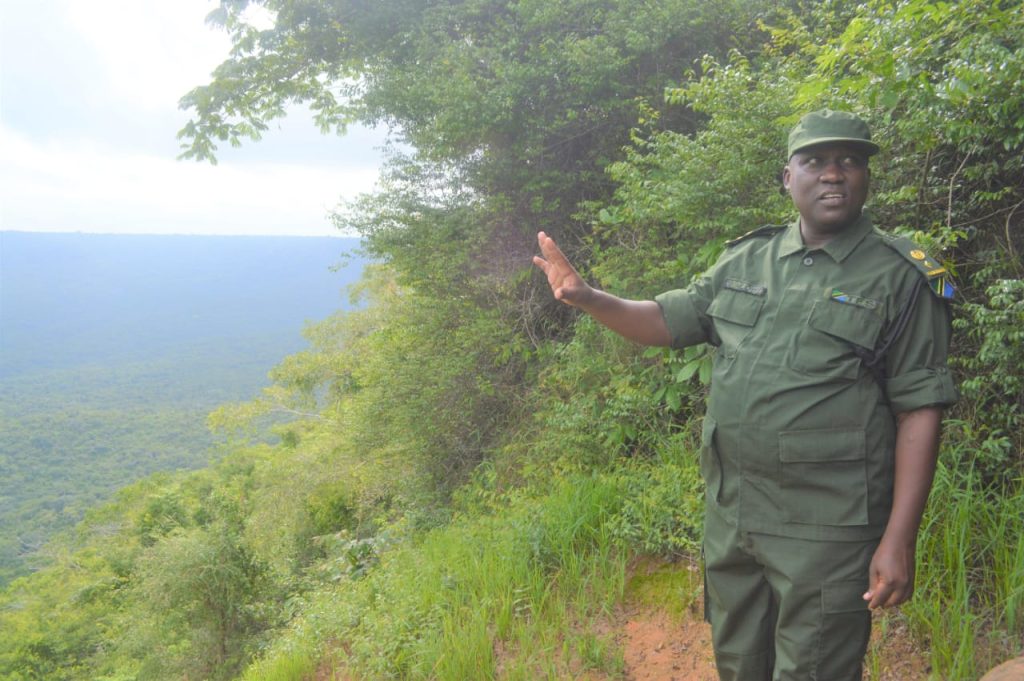
“We want to attract visitors to enjoy the beautiful valley views at Mchinjidi and Nyolo, sunrise and sunset vistas, hiking at Ndawa and Mchinjidi, walking safaris along nature trails, and cultural experiences such as the Manjonda grave and Meera traditional dance,” he explained.
Other potential activities include apiculture, photography, research, and training.
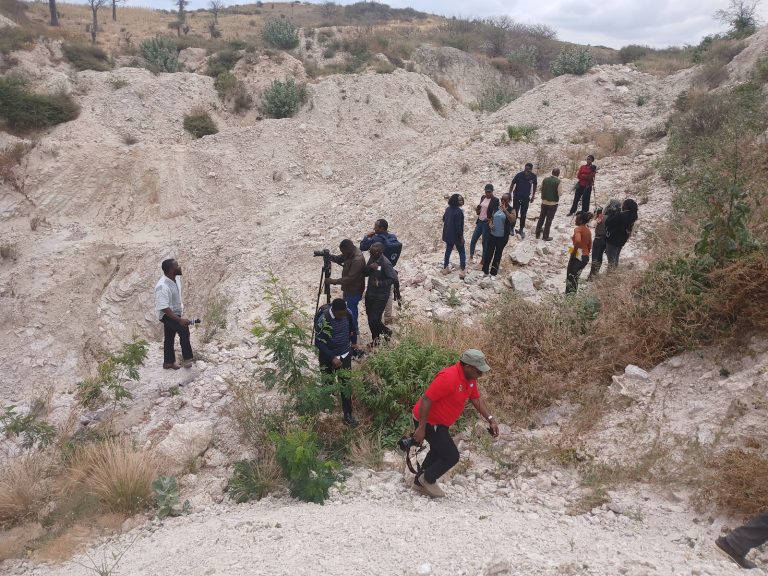
Speaking separately, Mr. Devis Mlowe, Principal Forest Officer at Rondo Nature Forest Reserve, said they are working tirelessly to preserve the area’s natural state.
As one of Tanzania’s 28 certified ecotourism sites, TFS is collaborating with the Ministry of Natural Resources and Tourism to enhance conservation efforts.
“We have developed effective systems to control bush fires, human encroachment, and illegal activities, ensuring this reserve remains protected,”he assured.
Ecotourism in Tanzania is a rapidly growing, sustainable approach focused on conservation, community benefits, and low-impact travel.
With over 25 percent of its land under protection, Tanzania boasts premier eco-destinations such as the Serengeti, Ngorongoro Crater, and numerous forest reserves.
Initiatives like eco-lodges, walking safaris, and cultural tours blend environmental stewardship with tourism. Once a niche market, ecotourism is becoming a vital segment of the economy, supported by organizations like TFS, which promotes forest-based ecotourism.
Opportunities for development include eco-lodges, tented camps, and recreational facilities such as canopy walkways and zip lines.
However, the sector faces challenges from climate change, poaching, and the need to balance growing tourist numbers with ecological preservation.
ABOUT RONDO NATURE FOREST RESERVE
Rondo Nature Forest Reserve is an 11,742-hectare biodiversity hotspot in Tanzania’s Lindi Region (approx. 60 km west of Lindi) known for its high concentration of endemic species and the threatened Rondo dwarf galago.
Situated on the Rondo Plateau at 650–870m, it features coastal forests and plantations, offering activities like hiking, bird watching, and camping.
Key Details and Biodiversity
Biodiversity Hotspot: Rondo is a critical habitat, harboring over 100 endemic plant species, 5 birds, 3 mammals, 24 reptiles, and 75 butterfly species.
Critically Endangered Species: The reserve is home to the highly endangered Rondo dwarf galago and other unique primates.
Forest Structure: The reserve consists of both natural coastal forest remnants and industrial plantations (mainly Pinus sp.). It is known for its tall canopy, including regenerated Milicia excelsa (Mvule) trees.
Endemism: The area is part of the Lindi Local Centre of Endemism.
Conservation Status: The Rondo Forest Project (1952-1982) was significant for plantation development, and today the forest is managed by the Tanzania Forest Services Agency (TFS).
Location: The reserve is located in the southern part of Tanzania, Lindi Region.
Activities: Visitors can engage in nature trail walks, bird watching, photography, and educational tours.
Challenges
Human Pressure: The reserve is surrounded by six villages, and the ecosystem faces threats from high human population growth, agriculture, and demand for charcoal.
Logging History: Significant historical logging occurred between the 1950s and 1980s, but the forest has since been under regeneration.