






Summary
* Ruangwa district has a general total of 14 forests, owned at the village levels, the role of TFS in the area remains to ensure for professional management and conservation of the endowed natural resources.
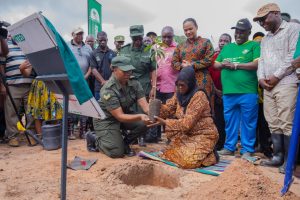
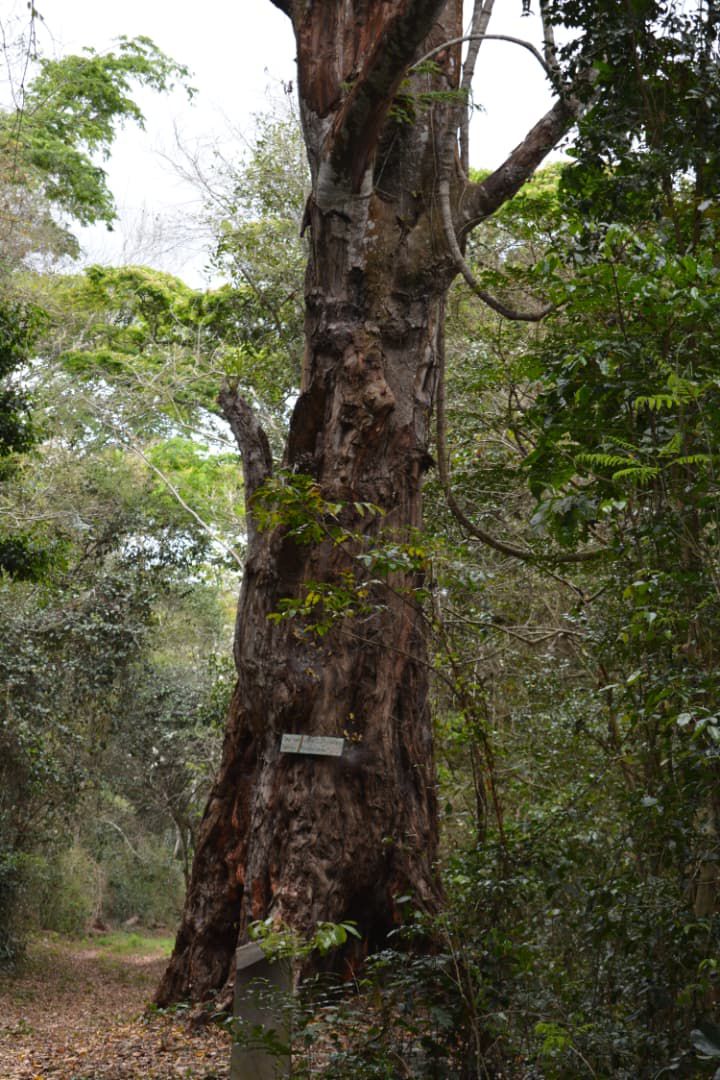
RUANGWA: THE Tanzania Forest Services Agency (TFS) has embarked on a special strategy for the rehabilitation of trees at the Machang’anja Forest Reserve, mapped within the Ruangwa district, Lindi region.
A total of 400 hectares of trees was seriously degraded out of 1,121 hectares that the TFS’s natural reserve occupies, compelled the TFS through its southern zone headquarters to hatch a special initiative meant to rehabilitate the reserve.
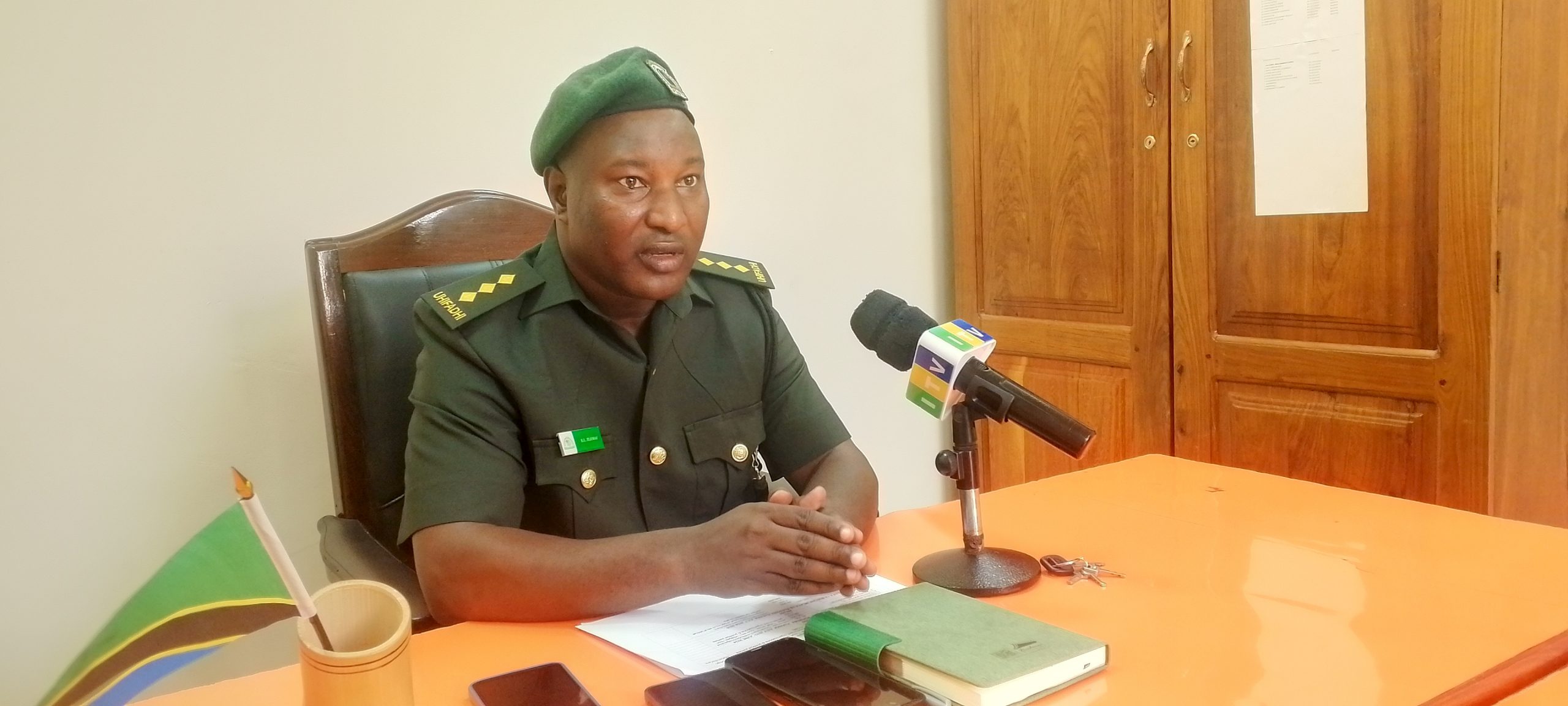
Briefing over the robust environmental drive, the TFS Ruangwa district forest conservator, Mr. Elibariki Lagwen said the step is inline with the ongoing TFS general focus to transform the famous district into the country’s hub of trees.
Mr. Elibariki Lagwen
“Through the exercise we have so far managed to rehabilitate a total of 214 hectares within the natural reserve, and the work is continuing to rehabilitate the remaining hectares that was affected,” he revealed.
He noted that the state-owned agency responsible for the management of forests and bee resources is working a series of ambitious programs on tree planting drive and public awareness.
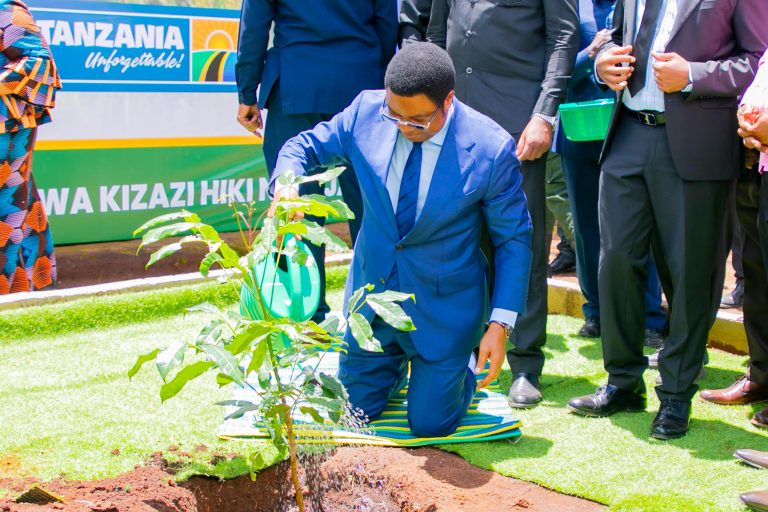
Pertaining to tree-planting initiatives, he stated that TFS is rolling out free seedlings for the diverse species, including for fruits and medicinal.
“During the period between 2021/2022 a total of 191,020 trees was planted in the district, the number which increased to 200,000 during 2022/2023,” he detailed.
He added that during 2023/2024 the tree planting drive in the district saw production of at least 200,000 seedlings of different tree species, the number which has been successful heightened to 150,000 in the current year.
Having at least ten productive nurseries for tree seedling hatching, the forest conservator informed that the facilities have managed to distribute over 700,000 tree seedlings species within five consecutive years.
“As per the program’s setting -up, the seedlings are being freely distributed to different public and private institutions, primary and secondary schools, dispensaries, and the individual well-wishers,” he insisted.
According to him, the district has a general total of 14 forests, owned at the village levels, saying the role of TFS in the area is to ensure for professional management and conservation of the endowed natural resources.
“We’re working in sync with the local government officers to ensure the forests resources are managing under special programs, especially when it comes to harvesting and transportation of the resources for business,” he assured.
Forest Status in Ruangwa District
As of 2020, the Ruangwa district in Tanzania’s Lindi Region had approximately 75,000 hectares (75 kha) of natural forest, which accounted for about 30 percent of its total land area.
However, this area is undergoing significant change due to deforestation and degradation.
Forest Cover and Loss Statistics
Deforestation: In 2024, Ruangwa lost roughly 570 hectares (ha) of natural forest, generating about 200 kt of CO₂ emissions.
Long-Term Change: Between 2001 and 2024, the district lost approximately 14,000 hectares (14 kha) of tree cover, representing about 10 percent of its total tree cover as of 2000.
Net Change (2000-2020): Ruangwa experienced a net change of -34 kha (-24pc) in tree cover.
Drivers: 92pc of the tree cover loss in recent years occurred in areas where the loss resulted in permanent deforestation, with 99pc of this loss occurring within natural forests.
Key Forestry Dynamics
Forest Types: The region is characterized by coastal forests and miombo woodlands.
Community Management: Several villages in Ruangwa are involved in community-based forest management (CBFM) to manage local resources, including villages like Kipindimbi, Lichwachwa, Nahanga, Ng’au, Kitandi, Chingumbwa, and Nandenje.
Fire Activity: The district experiences an annual peak fire season, usually beginning in early July, with hundreds of fire alerts (e.g., 524 VIIRS fire alerts recorded between early 2022 and early 2026).
Timber Regulation: Forestry officers and Tanzania Forest Service (TFS) agents are active in regulating the timber value chain in the district.
Forest Contribution: Despite the losses, the forests act as a net carbon sink, sequestering an estimated average of -260 ktCO₂e/year between 2001 and 2024.