





Summary
* The region is still fortunate to have abundant forests compared to other parts of the country but increasing destruction could jeopardize the well-being of current and future generations.
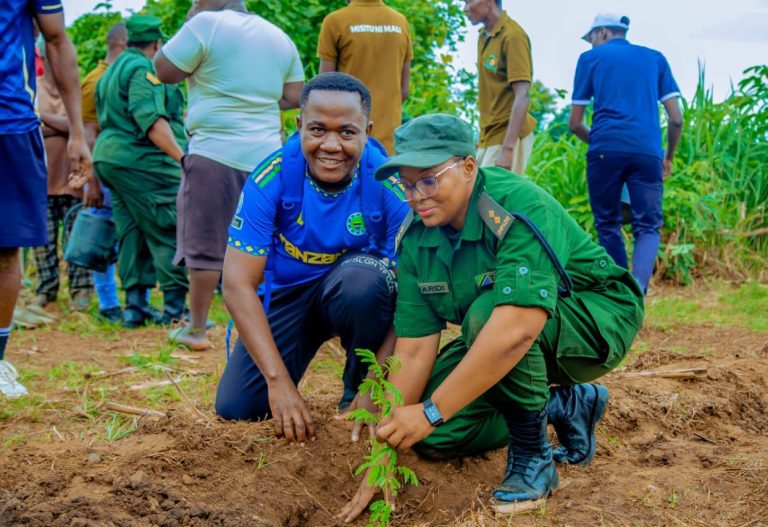
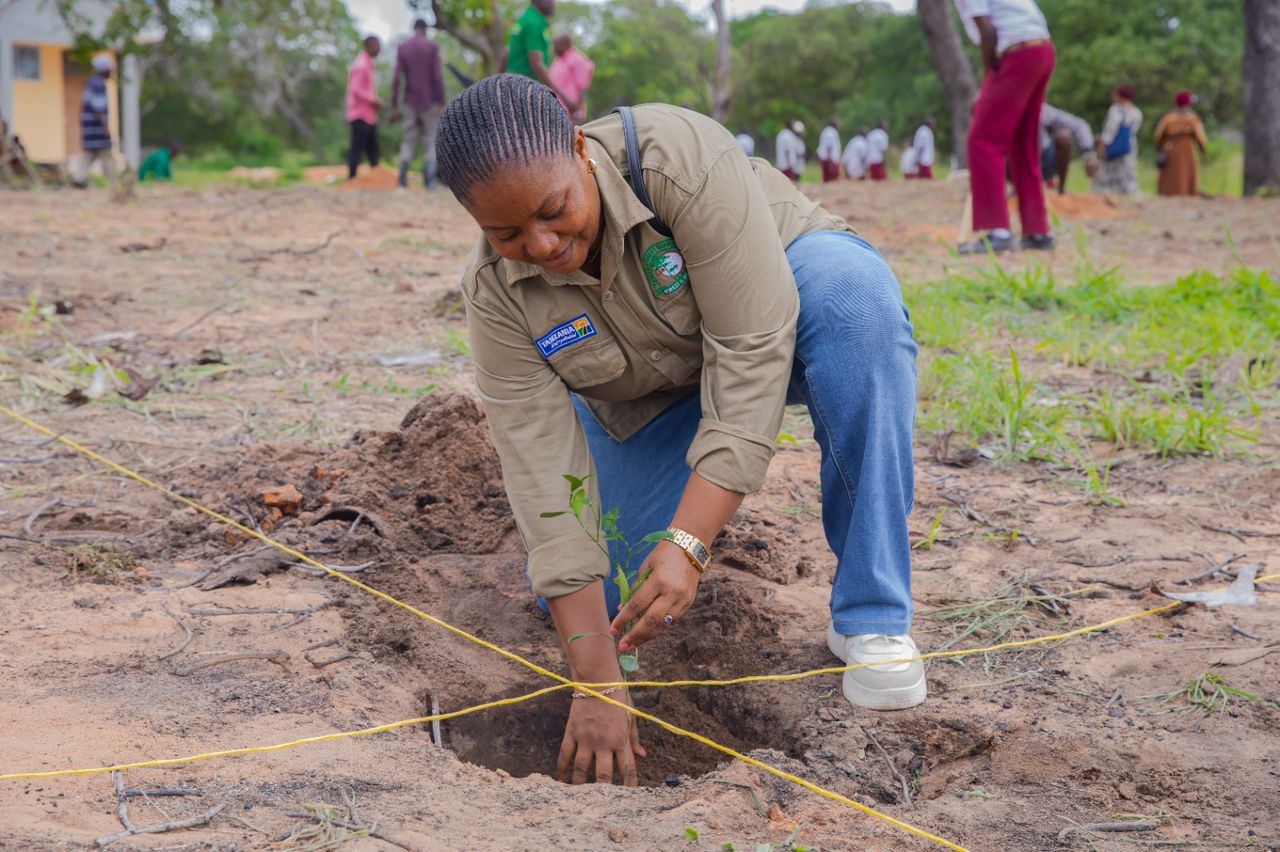
* A total of 1,347 trees were planted in Lindi by citizens, students, and government officials in preparation for World Forest Day and the 2026 National Tree Planting Campaign.
LINDI: THE government has issued a stern warning against deforestation and other environmentally harmful practices in the Lindi region.
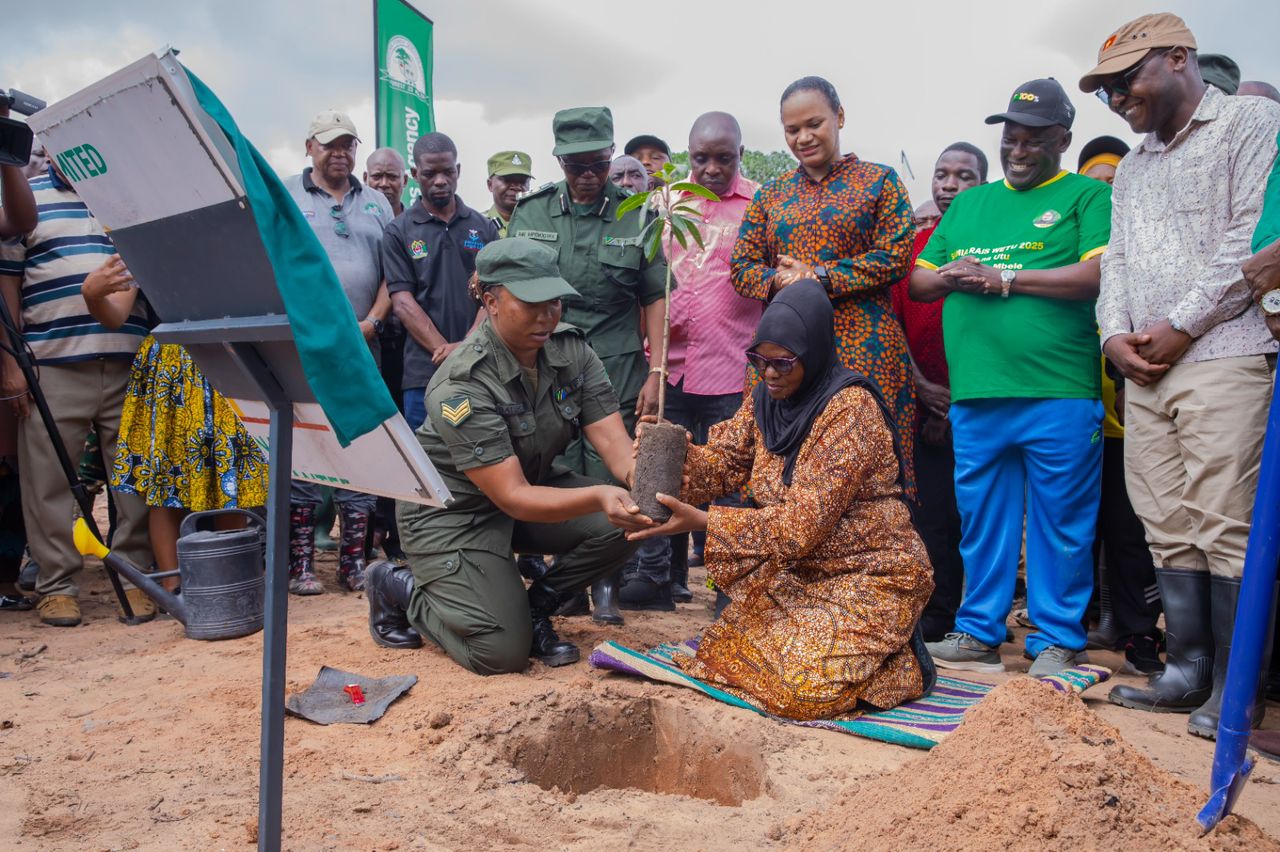
Speaking while leading a special tree-planting campaign, Lindi Regional Commissioner (RC) Ms. Zainabu Telack warned that if not urgently addressed, such destructive trends could turn the region into a desert, threatening food security and reliable rainfall.
She noted hat tree planting is no longer optional but a duty for every citizen, as forests are fundamental to human life.
“When we plant trees, we are not doing it for someone else—we are doing it for ourselves. Forests provide food, business, medicine, clean air, and rain. If we destroy them, our lives will become difficult,” she stated.
Ms. Telack noted that the region is still fortunate to have abundant forests compared to other parts of the country but cautioned that increasing destruction could jeopardize the well-being of current and future generations.
She urged leaders at all levels—from neighborhoods to districts—to supervise and protect planted trees, stressing that strict measures must be taken against those who harm the environment.
Among the activities she listed for tighter control were unauthorized tree cutting, reckless burning, and the introduction of livestock into protected and reforested areas.
“If we sell our land and allow livestock into forested areas, we will lose all vegetation. We must not let that happen,” she stressed.
Additionally, Ms. Telack encouraged residents to plant fruit trees at home to improve family and student nutrition, noting that such trees also provide income and knowledge for communities.
In a further directive, she called on the Ministry of Natural Resources and Tourism to conduct scientific research on the mango varieties grown in Lindi, highlighting their unique flavor and potential as a strategic economic crop.
“Lindi mangoes are very sweet and marketable. We need to identify their varieties and explore ways to develop them for larger markets,” she said.
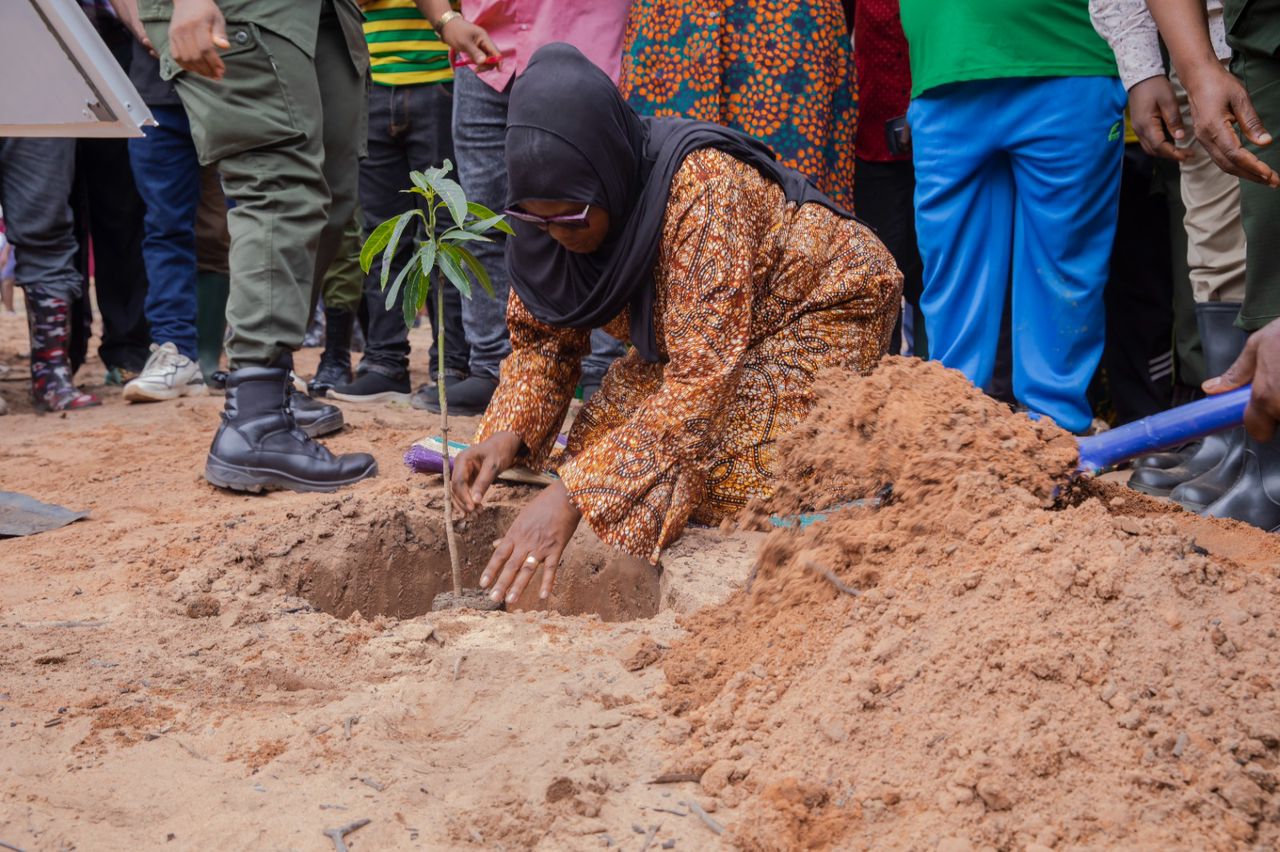
During the event, a total of 1,347 trees were planted by citizens, students, and government officials in preparation for World Forest Day and the 2026 National Tree Planting Campaign.
Speaking earlier at the event, Southern Zone Commander of the Tanzania Forest Services Agency (TFS), SACC Manyisye Mpokigwa, noted that among the trees planted was the mango tree (Mangifera indica), which offers multiple benefits including nutrition, shade, and income.
He added that mangoes significantly contribute to children’s health while creating economic opportunities through the sale of fresh fruit and processed products like juice.
Forests status in Lindi Region
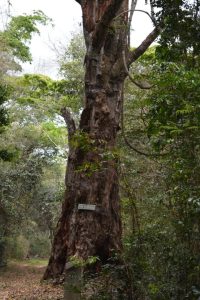
Lindi Region holds significant forest resources, with roughly 3.6 million hectares (Mha) of natural forest covering about 55 percent of its land area as of 2020.
The region features extensive coastal forests, miombo woodlands, and parts of the Nyerere National Park, but faces ongoing tree cover loss, losing 420 kha between 2001 and 2024.
Key Forest Status Details:
Extent: As of 2020, Lindi’s natural forest covers 55 percent of its land area, primarily dominated by woodland and coastal thicket.
Forest Loss: From 2001 to 2024, Lindi lost 420 kha of tree cover, which is 11 percent of the forest area present in 2000. This represents 130 Mt of emissions.
Protected Areas: Significant parts of the western Lindi region are covered by the Nyerere National Park and the Selous Game Reserve.
Key forest reserves include Pindiro, Rondo, Ngarama North/South, Matapwa, and the recently discovered large, relatively pristine forest at Namatimbili.
Biodiversity: The region is part of the Swahilian Coastal Forests, a global biodiversity hotspot, with high endemism particularly in the Rondo/Noto landscape, where 91 plant species are restricted to this area.
Key Threats: Deforestation, agricultural expansion, and logging are impacting the region, especially in unprotected village forest areas.
Conservation: Organizations like the Tanzania Forest Conservation Group (TFCG) and World Wide Fund for Nature (WWF) have supported conservation efforts, including Participatory Forest Management (PFM) programs, particularly in Kitope and surrounding areas.
The coastal forests in the south of Kilwa district, such as Pindiro and Ngarama, are recognized as a local center of endemism.