











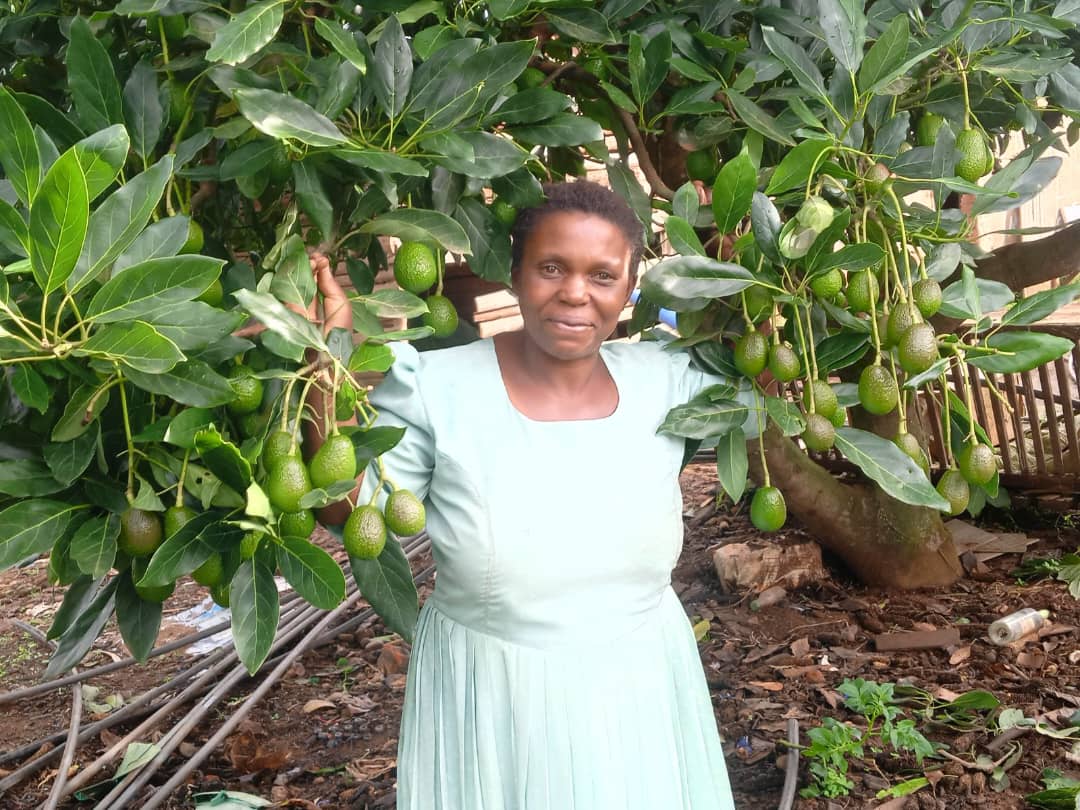
The development responds to the rapidly growing demand for quality avocado seedlings nationwide, driven largely by expanded international markets for the fruit.
AVOCADO farmers from various regions across Tanzania are determined to produce more than six million avocado seedlings this year in a bid to significantly boost the country’s avocado production.
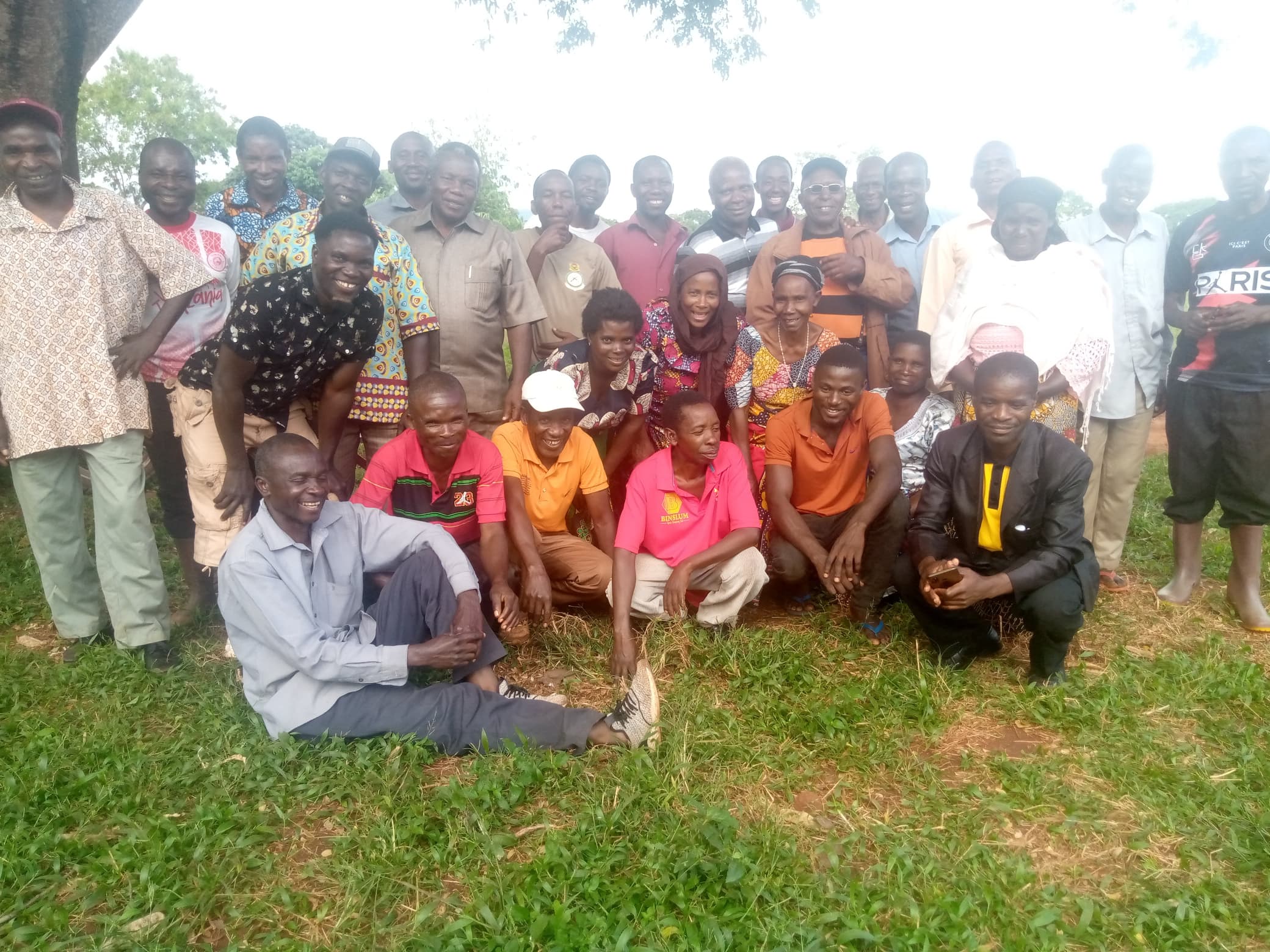
The farmers, who are benefiting from Tanzania’s major agricultural initiative,the Agricultural Growth Corridors of Tanzania (AGCOT) are based in regions including Ruvuma, Njombe, Mbeya, Sumbawanga, Kigoma (Kasulu, Kibondo, and Buhigwe), Morogoro (Gairo), and Dodoma (Bahi).
The development responds to the rapidly growing demand for quality avocado seedlings nationwide, driven largely by expanded international markets for the fruit.
The targeted volume of seedlings will be produced by well-organized and registered farmers’ groups spread across the mentioned regions.
Speaking exclusively to this publication, Mr. Beno Mgaya, an experienced farmer trainer from Njombe, revealed that last season, farmers produced over two million seedlings through the Farmer to Farmer Initiative (FTFI).
“Skyrocketing international demand for Tanzanian avocados has significantly increased the need for seedlings among local farmers. This made it necessary for us to scale up production,” Mgaya explained.
He further detailed that these farmers receive specialized training to produce seedlings using best agronomic practices.
“Besides training, all seedlings undergo inspection and certification by the Tanzania Official Seed Certification Institute (TOSCI) before they are distributed to farmers for official use,” he said.
Mr. Mgaya noted that with support from AGCOT, a number of farmers have been trained as trainers of trainers (ToT), enabling them to train others in their respective regions.
The program empowers farmers with skills in agribusiness, record-keeping, market linkages, soil testing, use of improved kernels, and proper application of farming inputs.
“We conduct these training sessions to equip farmers with the necessary skills to effectively tap into and benefit from the expanding avocado market,” he added.
For example, many farmers previously took loans to start avocado farming without securing reliable markets, leading to loan defaults. Now, they receive training on developing reliable market linkages.
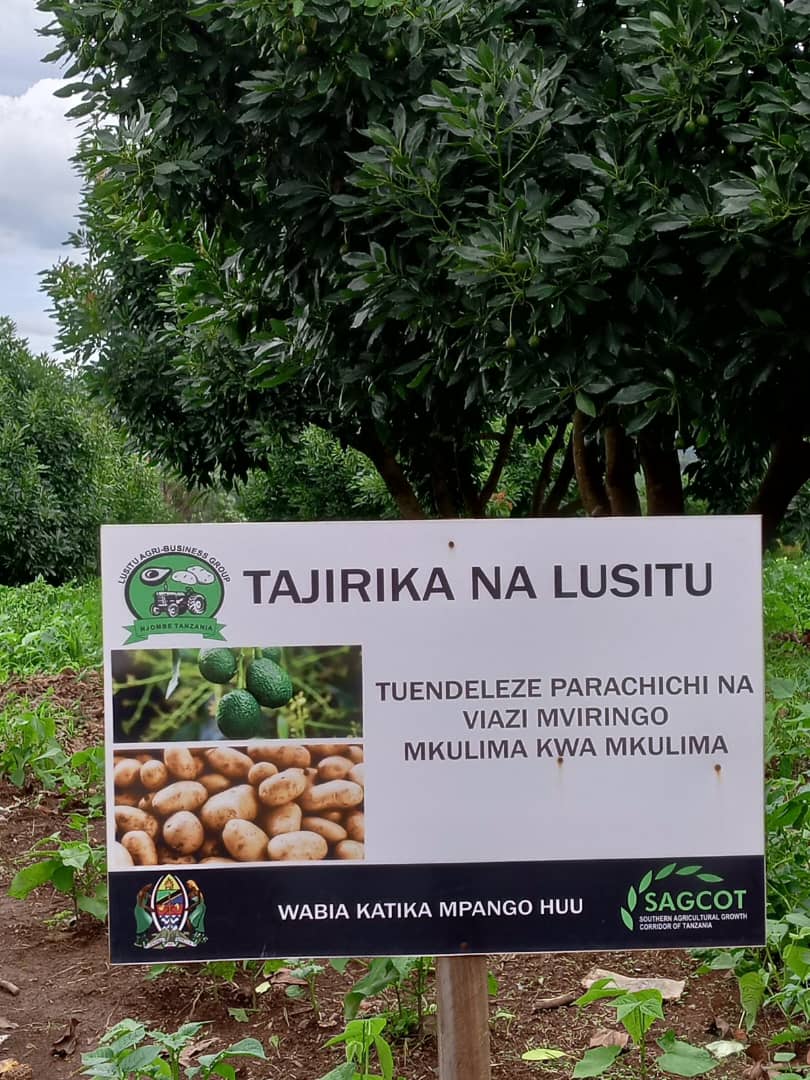
Farmers from Njombe, Ruvuma, Mbeya, Sumbawanga, and Gairo—Dodoma have been at the forefront in leading these training initiatives and achieving impressive results.
He hailed the sixth phase government under President Samia Suluhu Hassan for establishing and supporting AGCOT and securing expanded export markets for Tanzania’s avocados.
“Previously, exports to Europe were limited, but with new markets opening up in India, China, and South Africa, farmers are now more hopeful,” he said.
He added that the current price per kilogram of rejected avocados is around 1,800/- while fresh fruit sells for between 2,500/- and 3,000/-.
Moreover, the establishment of avocado oil processing plants offers a valuable outlet for rejected fruit, ensuring nothing goes to waste.
“This industry has become a lifeline for many farmers, as rejected avocados are now sold for oil processing,” Mgaya noted appreciatively.
According to Mr. Geoffrey Kirenga, CEO of AGCOT, the program has helped establish 600 acres of avocado plantations in Ruvuma region, benefiting 600 growers, and supported the development of at least 200 acres in Morogoro involving 200 individual farmers.
Kirenga highlighted that the overarching goal is to substantially increase Tanzania’s annual avocado production.
By 2024, Tanzania had made remarkable progress, exporting approximately 36,520 tonnes of avocados and generating around USD 79 million in revenue.
“This growth has placed Tanzania as Africa’s fourth-largest avocado exporter, supported by rising global demand and local efforts such as subsidized fertilizers. However, challenges remain in post-harvest handling still exist,” Mr. Kirenga revealed.
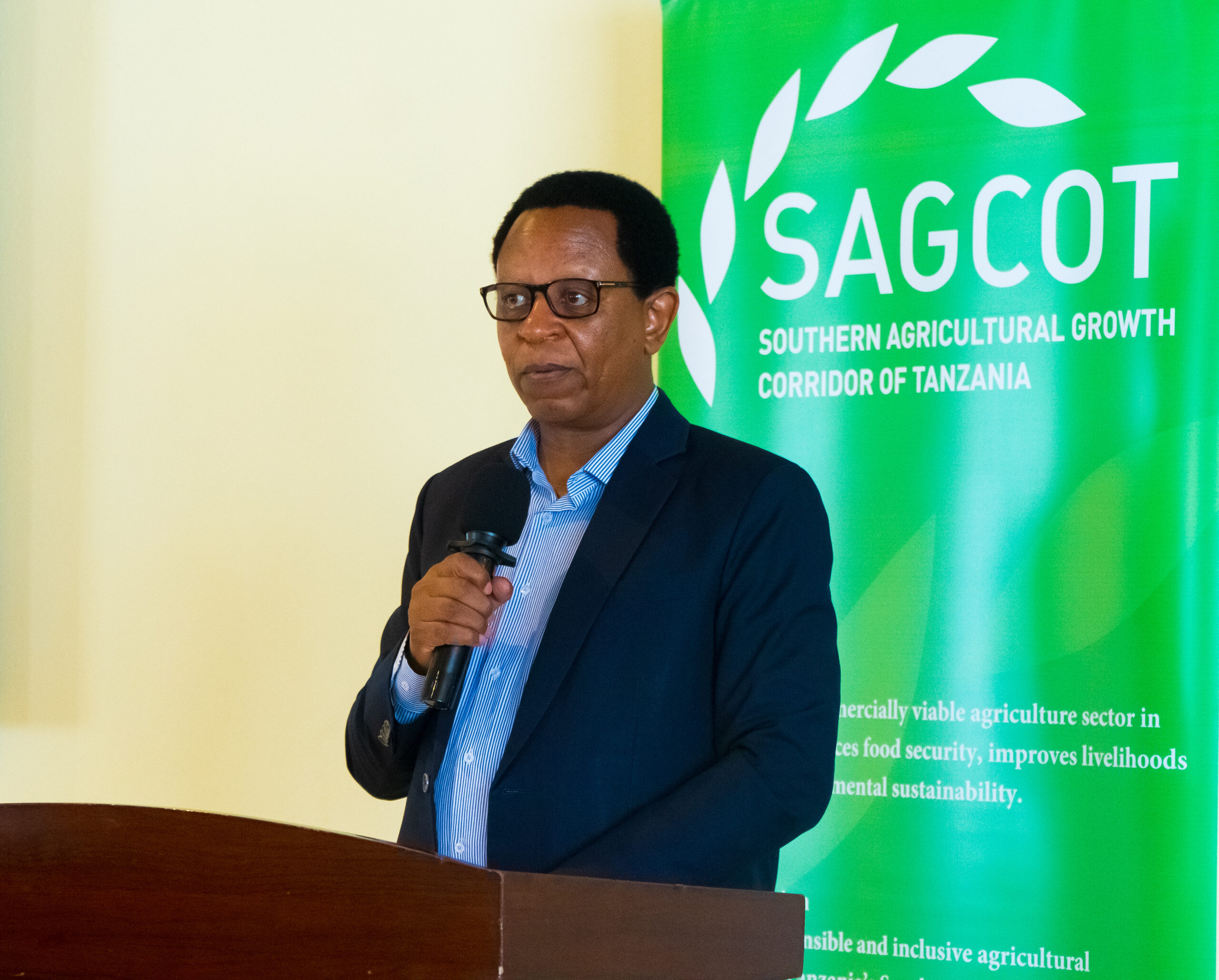
Looking ahead, Mr. Kirenga emphasized the need for improved infrastructure, particularly in cold storage and cold chain facilities, to ensure that harvested avocados maintain their freshness throughout export.
“We also need better road infrastructure connecting production areas to markets, as well as enhanced seedling production, irrigation systems, storage, and processing facilities,” he added.
Mr. Kirenga further suggested the government to consider reducing export taxes on avocados.
“Lowering tax burdens on avocado exports would attract more players to the sector and ultimately increase government revenue through higher trade volumes,” he observed.
With the sector gaining momentum, he stressed the importance of branding Tanzanian avocados to add value and enhance the country’s reputation on the international market.
Tanzania is rapidly emerging as a major avocado producer, with annual output exceeding 200,000 tonnes. Key producing regions include Njombe, Mbeya, and Kilimanjaro, where favorable high-altitude climates and fertile soils support optimal growth.
The sector continues to expand, with exports primarily directed to Europe, India, and the Middle East.
The Hass and Fuerte varieties dominate the market.
ABOUT AGCOT
This initiative expands the model pioneered by the Southern Agricultural Growth Corridor of Tanzania (SAGCOT) since 2010 into a nationwide framework, encompassing new Central, Northern, and Mtwara corridors alongside the original Southern zone.
AGCOT is explicitly aligned with the ambitious goals of Tanzania’s Vision 2050 and the Agriculture Master Plan 2050 (AMP 2050), notably the target of achieving a $100 billion agricultural economy.
SAGCOT achieved considerable success, mobilizing substantial investment (reported figures vary, with totals cited up to $6.34 billion), empowering a large number of smallholder farmers (estimates range up to 1 million), creating significant employment (up to 253,000 jobs reported), and contributing over 65 percent of national food production.
However, it also faced challenges, including initial difficulties in ensuring broad smallholder inclusion, persistent issues related to land governance, and navigating a complex enabling environment.
The transition to AGCOT was driven by high-level political commitment, spearheaded by President Samia Suluhu Hassan, and strong stakeholder demand to replicate SAGCOT’s cluster-based, public-private partnership (PPP) model across the country.
AGCOT’s framework retains core principles of inclusivity, sustainability, and commercialization, coordinated nationally by the restructured AGCOT Centre. A key feature is its designed synergy with other major initiatives launched concurrently, particularly the Cooperative Bank of Tanzania (CBT), aimed at improving financial access for farmers and cooperatives, and the Building a Better Tomorrow (BBT) program focusing on youth and large-scale farming.