












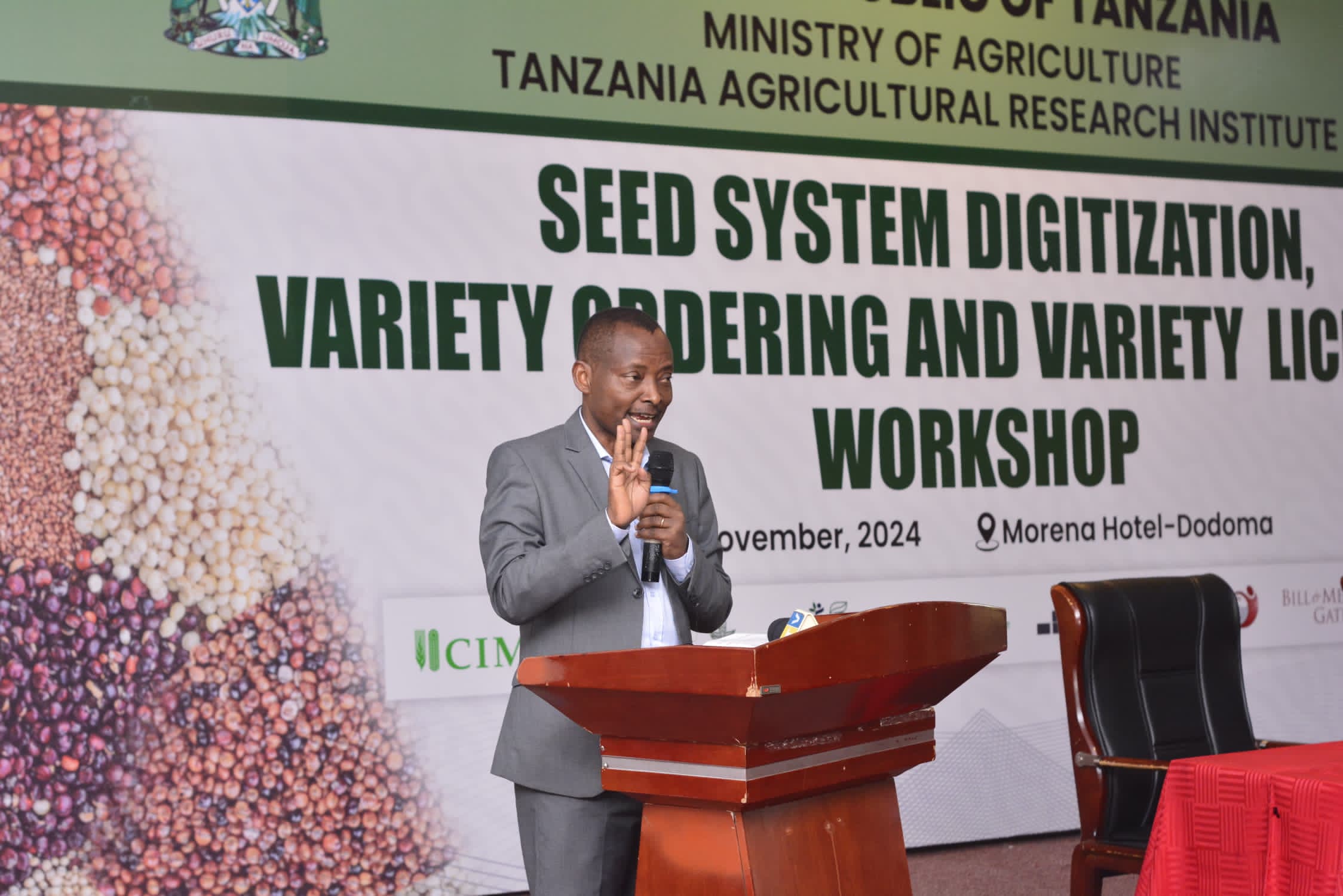
The Director of the Tanzania Agricultural Research Institute (TARI), Dr Thomas Bwana
By Senior Reporter VALENTINE OFORO
Adoption of the digital seed system will enable the seed companies and the relevant policy makers to shift from paper work and thus, speeding up the performance of the sector
THE Tanzania Agriculture Research Institute (TARI) in cooperation with the reputable seed institutes have embarked on a special strategy to digitize the country’s seed system.
The robust scheme which focuses to fast track accessibility of seeds varieties to consumers, also roots efforts to establish a digital system for ordering and licensing seed varieties in the country.
As part to fuel the strategy, agricultural pundits from different seed- related institutes convened in Dodoma capital city to brainstorm on proper modalities to put the strategy into effective practices.
Dubbed ‘Seed System Digitization, Variety Ordering and Licensing Workshop’ the gathering organized by TARI attracts agricultural experts from the Tanzania Official Seeds Certification Institute (TOSCI), the Agricultural Seed Agency (ASA), Cereals and Other Produce Regulator Authority (COPRA), International Maize and Wheat Improvement Center (CIMMYT), and the International Center for Tropical Agriculture (CIAT).
Moreover, the session also featured seed stakeholders from Uganda, and high- profile experts on seed innovative digital system from India, as well as a record number of local seed producer companies from the private sectors, and officials from the ministry of agriculture.
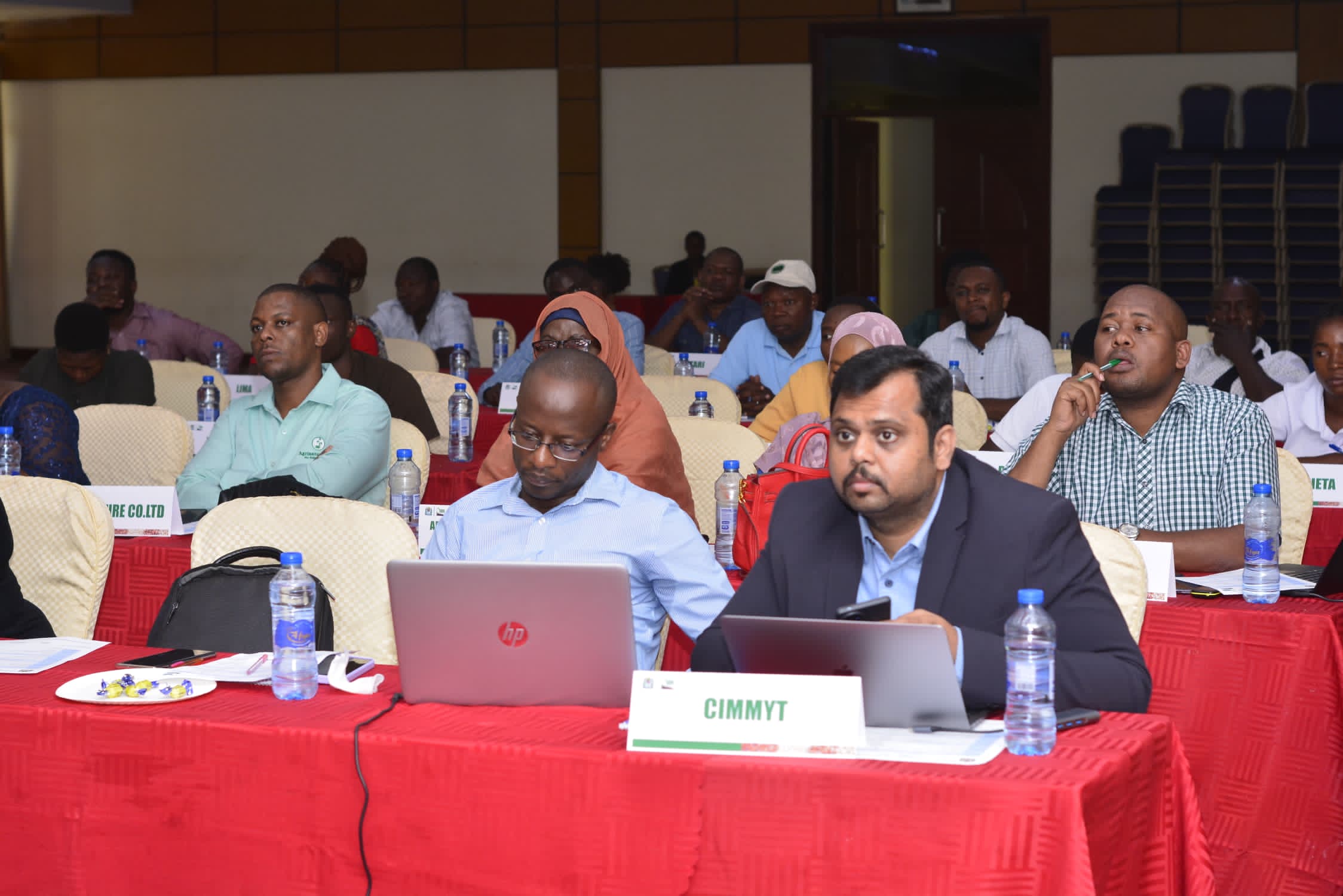
Some of the participants attends the workshop
In his opening remarks at the event, the Director General (DG) of TARI, Dr Thomas Bwana said the workshop was tailored to create a podium for the participants to delve on how best to set a professional digital system to help disserminate needed information towards the stakeholders involving in the country’s seed value chain.
“This workshop focuses to achieve five key areas with an eye to improve seed system in the country,” Dr Bwana said.
The areas, according to him, include to review progress made by TARI in the digitization process of the seed system, including the pre-order, prebook system of early -generation seed Dryland crop in Tanzania.
“Other areas in the forum’s chief focus, was to develop and agree on the sustainability plan of the system, and to access the supporting services needed by stakeholders to guide production planning of various seed classes,” he expressed.
Giving more information on the gathering, the TARI high official said the target was also to deliberate on the type of information needed by seed producers in Tanzania to make decisions and commercialize the DLC varieties.
“The meeting will also create a friendly platform for the participants to share key inputs how to strengthen variety licensing to increase commercialization of TARI varieties,” he added.
Mr Nyasebwa Chimagu, the Director of Crop Development in the Ministry of Agriculture
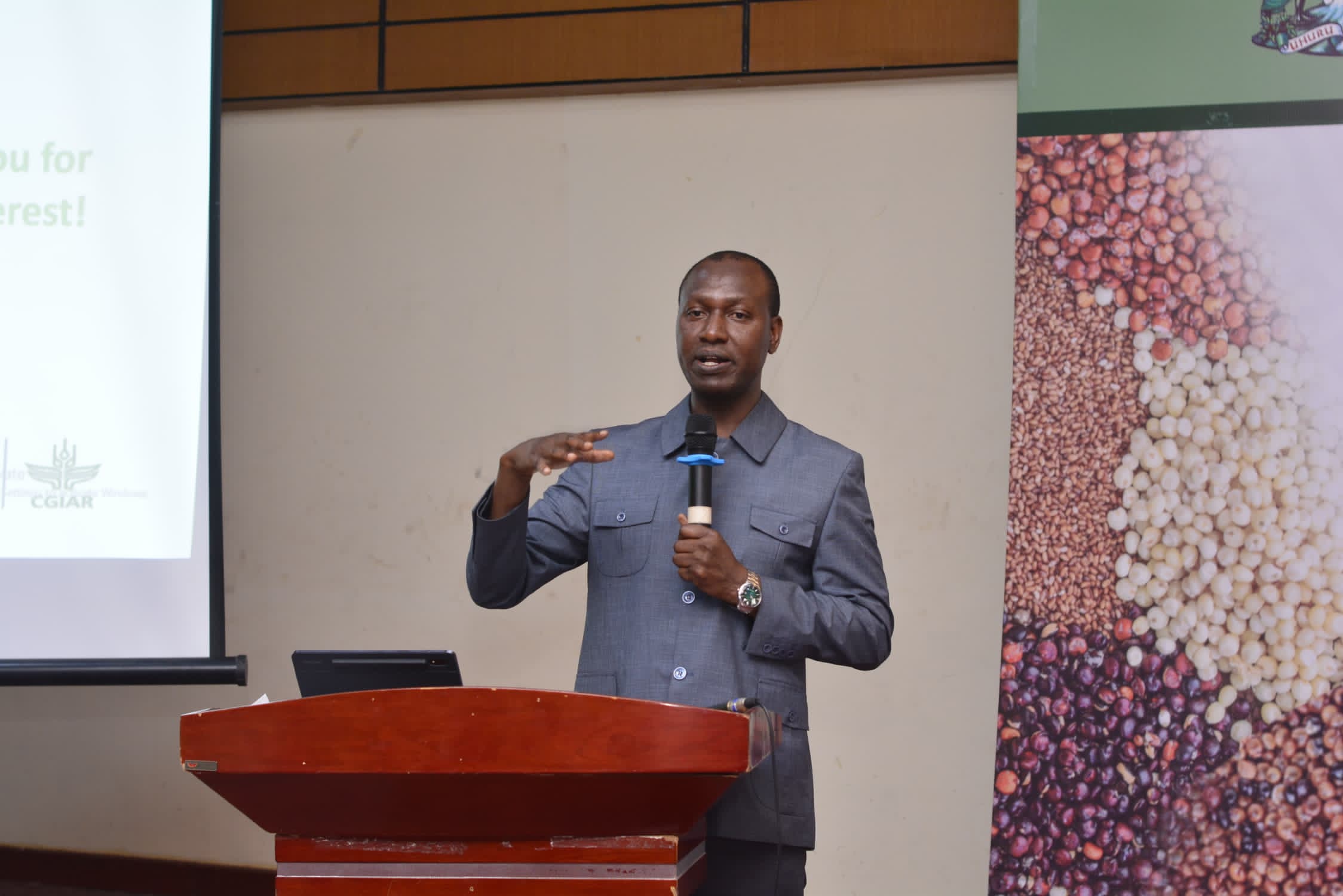
The workshop chief guest, the director of crop development in the ministry of agriculture, Mr Nyasebwa Chimagu said when come into effect, the high-tech system will play vital role to improve performance of seed sector in Tanzania.
He said accessibility of improved seeds varieties to farmers was the basic prerequisites to boost productivity in the agriculture sector.
With the improved budget allocation towards the sector, which now stands at 1.248trn/-, Chimagu said over 80bn/- has been injected to support seed research in the country.
“The government is very keen and determined to transform the country’s seed sector, possibly through setting and exercising friendly policies and strategies to attract the stakeholders from the private sector to chip- in and invest into the side,” Nyasebwa said.
He insisted that the parent ministry will continue to support and work closely with the state- owned agricultural research institute,TARI, and other stakeholders to heighten performance of the seed sector in the country.
And in her presentation, Ms Lilian Gichuru, a seed system specialist from CIMMITY spoke over the needed and important of adoption of digital innovation seed system.
“This forum involves a diversity of seed stakeholders with a general purpose, among others, to develop a digital seed multi-stakeholders plan, ” she said.
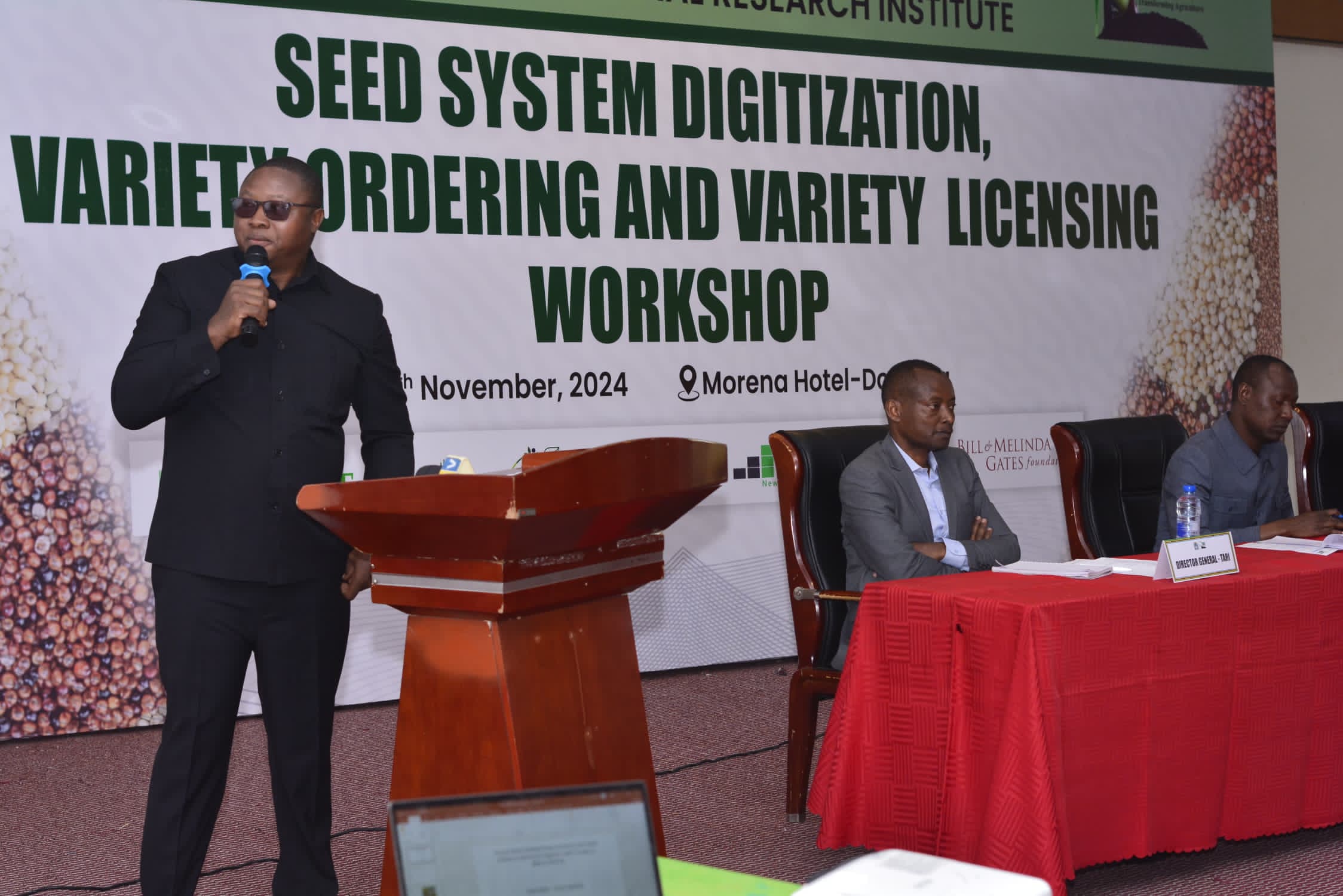
Mr Emmanuel Mwenda, the National Coordinator for AVISA
She added, there is a need to strategize a digital platform for channeling important seed information towards the stakeholders in the country’s seed value chain.
“The target is also to maximize capacity of the relevant stakeholders to use the available digital seed tools, as well as creating innovative youth responsive last-minded seed system to help attracting more youth to partake in the economic sector,” Ms Gichuru added.
The seed specialist from CIMMITY, a non-profit research-for-development organization, said adoption of the advanced system will enable the seed companies and the relevant policy makers to deter from paper work and thus, fast tracking the performance of the sector.