








Summary
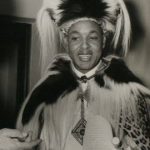
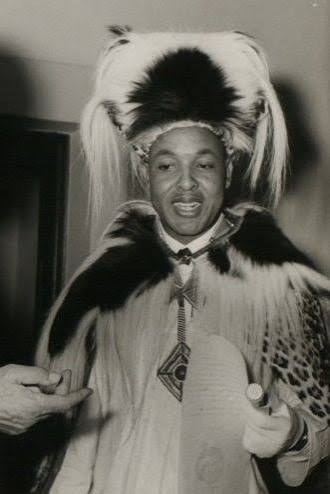
Chief (Mangi) Marealle refers to a dynasty of traditional Chagga rulers on Mount Kilimanjaro. The most prominent was Paramount Chief Thomas Lenana Marealle II (1915–2007), who ruled as Mangi Mkuu from 1951 to 1965. He is celebrated for unifying the Chagga, establishing the Tanganyika Broadcasting Corporation (TBC), and overseeing major advancements in regional education, health, and water systems.
By The Messenger Correspondent
ON the fertile slopes of Mount Kilimanjaro, where coffee trees sway in the cool mountain breeze and ancient footpaths weave through villages that have stood for centuries, the name Chief Thomas Lenana Marealle still echoes with admiration, debate and historical significance.
To some, he was a visionary reformer who ushered the Chagga people into a new era of education, commerce and modern governance. To others, he was a traditional ruler navigating the difficult realities of colonial rule. Regardless of perspective, few leaders have left as enduring a mark on northern Tanzania as the Paramount Chief of the Chagga.
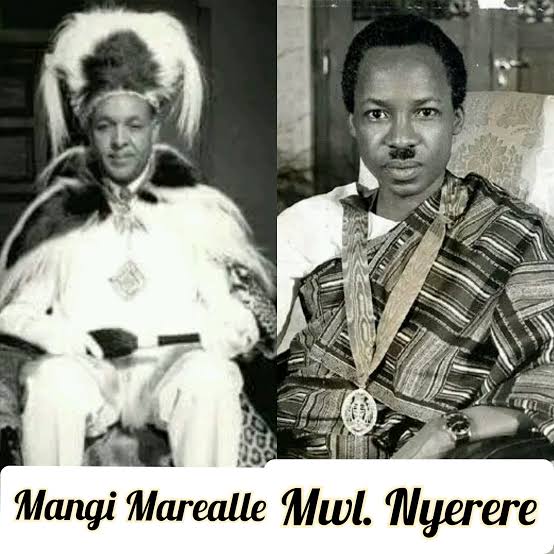
His story is one of ambition, diplomacy and transformation—a remarkable journey that helped shape the social and economic foundations of present-day Kilimanjaro Region.
A Leader Born Into Royalty
Thomas Lenana Marealle was born into the royal family of the Marangu Kingdom on the eastern slopes of Mount Kilimanjaro during the early years of the twentieth century, when German colonial rule had given way to British administration following the First World War.
Growing up in Marangu, he witnessed dramatic changes as missionary education, Christianity and colonial administration reshaped traditional Chagga society. Unlike many traditional rulers of his generation, Marealle embraced formal education, believing it would become the greatest weapon for his people’s future.
His exposure to Western education gave him a broader vision of leadership that combined respect for Chagga customs with the opportunities offered by modern institutions.
Rise to Paramount Chief
Marealle eventually became chief of Marangu before rising to become Paramount Chief of the Chagga people.
His leadership coincided with a period of enormous change. Cash crops, particularly coffee, were transforming the local economy, while missionary schools were producing a new generation of educated Tanzanians.
Rather than resist these changes, Marealle sought to position the Chagga community at the forefront of economic and educational progress.
Championing Education
Perhaps no achievement defines Chief Marealle more than his unwavering commitment to education.
He believed that educating young people would enable the Chagga to compete in an increasingly modern world. Under his leadership, communities mobilised resources to build schools, support teachers and encourage children—both boys and girls—to pursue formal education.
His administration worked closely with missionaries and local communities to expand access to schooling, laying the foundation for Kilimanjaro’s reputation as one of Tanzania’s most educated regions.
Even today, the region consistently ranks among the country’s strongest performers in education—a legacy many historians partly attribute to the educational policies promoted during Marealle’s reign.
Coffee: The Economic Revolution
Chief Marealle also understood that education alone could not transform society without economic empowerment. Coffee became the backbone of the Chagga economy, and Marealle encouraged farmers to improve cultivation, quality and cooperative marketing.
Through strong agricultural organisation, many Chagga families improved their incomes, invested in better homes, educated their children and expanded local businesses.
The prosperity generated by coffee farming would eventually make Kilimanjaro one of East Africa’s most economically vibrant highland regions.
Walking the Tightrope of Colonial Rule
Leading during British colonial administration required careful diplomacy.
Marealle often found himself balancing the interests of colonial authorities with the expectations of his own people.
While some nationalists later criticised traditional rulers for cooperating with colonial governments, others argue that Marealle used his position to secure tangible benefits for his community, including schools, roads, health services and agricultural development.
His leadership reflected the difficult choices faced by many African rulers during the colonial era.
The End of Traditional Rule
Following Tanzania’s independence in 1961, the political landscape changed rapidly.
Under the leadership of Julius Nyerere, the government sought to build a unified nation where all citizens would identify first as Tanzanians rather than members of traditional kingdoms.
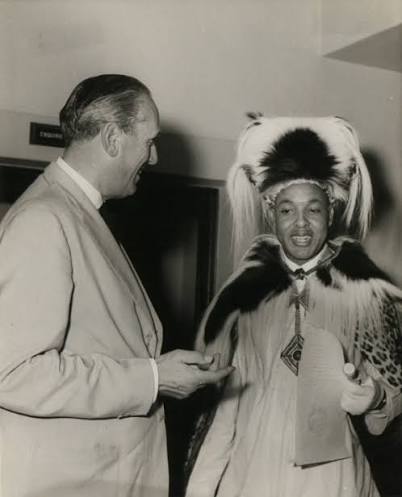
In 1963, the institution of hereditary chiefs was abolished across the country.
For Chief Marealle, it marked the end of an era that had defined Chagga political life for generations.
Yet, while his official authority ended, his influence continued through the institutions and development initiatives established during his reign.
A Legacy That Lives On
Today, visitors travelling through Marangu, Moshi and neighbouring villages encounter a society whose strengths—education, entrepreneurship, coffee farming and community organisation—reflect values strongly promoted during Chief Marealle’s leadership.
Historians continue to debate aspects of his political legacy, particularly his relationship with colonial authorities. However, there is broad agreement that he played a significant role in modernising the Chagga community and preparing it for the challenges of the twentieth century.
His story also reminds Tanzania that leadership is rarely simple. It often demands balancing tradition with progress, local identity with national unity, and immediate realities with long-term vision.
More Than a Chief
Chief Thomas Lenana Marealle was more than a traditional ruler. He was a nation-builder within his own community—a leader who believed knowledge was wealth, that agriculture could lift families out of poverty, and that development required collective effort.
Decades after the disappearance of traditional chieftaincies from Tanzania’s political system, his name remains woven into the history of Mount Kilimanjaro.
On Africa’s highest mountain, where sunrise paints the snow-capped peak in shades of gold, the legacy of Chief Marealle endures—not in royal titles, but in classrooms filled with eager students, coffee farms that continue to sustain families, and a community whose spirit of enterprise has become one of Tanzania’s greatest success stories.