









Summary
In Amani Forest Reserve, the air hums with the wings of rare butterflies, the calls of endemic birds, and the rustle of ancient trees that have stood sentinel for centuries. It is a place where nature writes its own poetry, and invites you to read every line.
TANGA: AMANI forest reserve has always remained in the background of Tanzania tourism sector, but its potential is far much greater than already established destinations.
For years, the reserve has quietly dwelled in the shadow of Tanzania’s more famous safari destinations, a hidden gem whispering secrets that few paused to hear.
And this year, the world has finally taken notice. Amani Nature Forest is listed among the nominees of the World Travel Awards 2026, and suddenly, a long-overdue spotlight illuminates this extraordinary corner of East Africa.
Step into this 8,380-hectare montane evergreen forest, and you will understand immediately why the judges took notice.
Amani is not merely a park; it is a living tapestry of biodiversity, cultural richness, and untamed adventure.
Here, the air hums with the wings of rare butterflies, the calls of endemic birds, and the rustle of ancient trees that have stood sentinel for centuries. It is a place where nature writes its own poetry, and invites you to read every line.
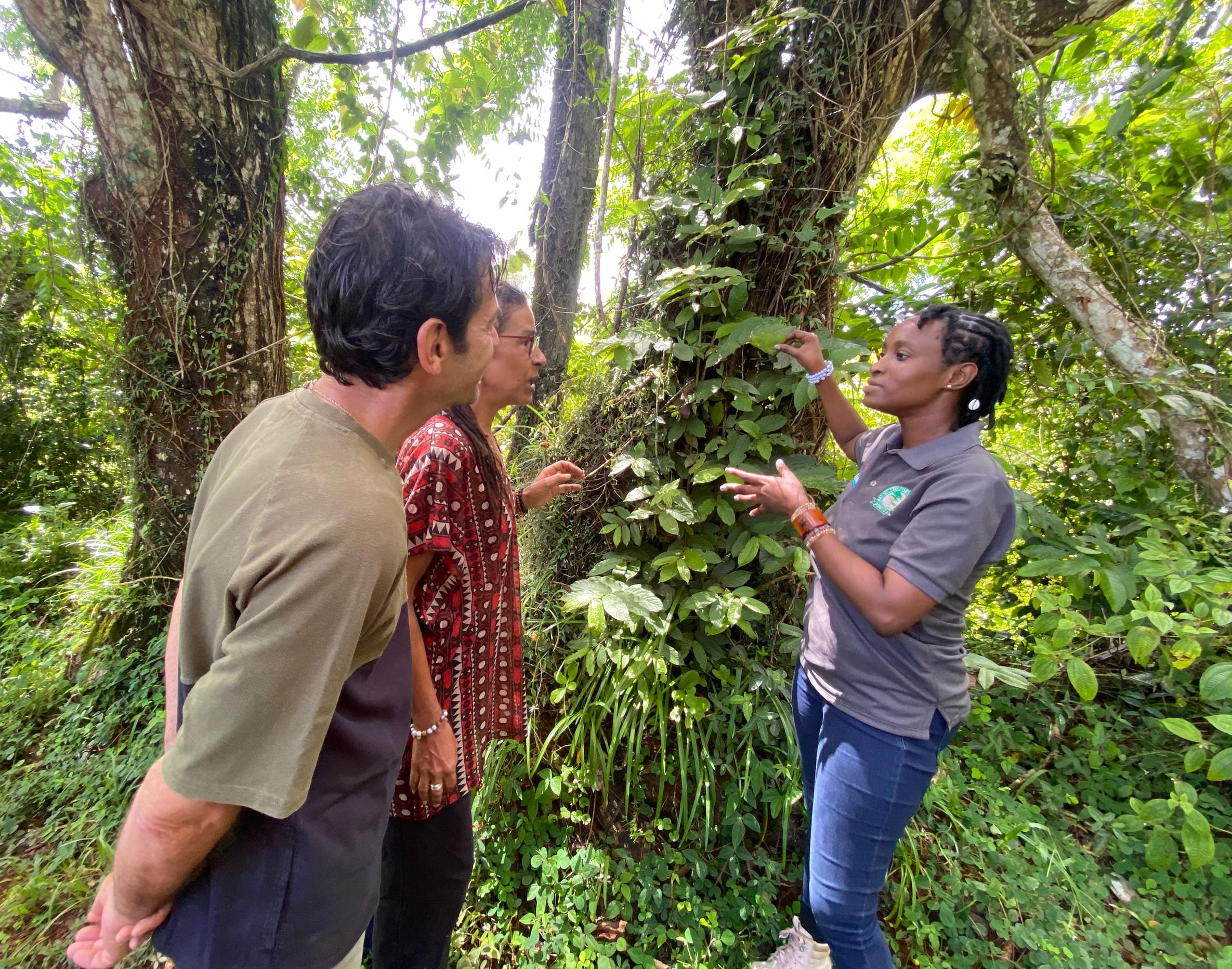
Trek toward the mountain peak, you will encounter the striking paperbark tree, its peeling layers revealing the raw, untouched beauty of the forest floor.
For local communities, this tree is more than a spectacle, it is a provider. Its bark is woven into ropes, mats, and baskets. Its layers hold medicinal secrets, offering natural remedies passed down through generations.
This is one slender example of the hidden wonders that await discovery within Amani’s embrace.
What sets Amani apart from nearly every other ecological tourist destination on the planet is something both profound and humbling: “humans and wildlife share the same breath here”.

Ms. Nanzia Shedura, the Tanzania Forest Services Agency (TFS) Conservator for Amani Nature Reserve.
Three villages call this forest home, their lives intertwined with the rhythms of the wild. They cultivate cloves, cardamom, turmeric, and cinnamon, cash crops that sustain both local livelihoods and regional conservation efforts.
“This forest provides a home to at least three villages,” explains Nanzia Shedura, the Tanzania Forest Services Agency (TFS) Conservator for Amani Nature Reserve.
“It is among the few tourist sites in the world where people and animals coexist as one,”she added.
Though officially established as a nature reserve in 1997 to preserve the unique flora and fauna of the East Usambara Mountains, Amani’s ecological legacy reaches back to 1905, during the height of German colonial exploration.
It was then that German eyes first fell upon the “hidden gifts of God” lying within these forest-cloaked mountains.
Their discovery led to the creation of the Amani Botanical Garden, a breathtaking enclave within the reserve that now hosts over 1,000 diverse plant species from around the world.
“The garden contains rich plant species introduced from Berlin, making it a globally recognized center for botanical research,” says Shedura, added: “This draws tourists from every corner of the earth.”
And at the heart of the garden’s living collection blooms the “Saintpaulia”, the African Violet. It is this tiny, exquisite flower that has earned Amani the revered title “The Home of the African Violet.”
And for ornithologists, Amani is nothing short of sacred. With over 300 bird species, the reserve stands tall among the twelve best birding sites in the world.
Here, visitors hold their breath for the flash of the Amani Sunbird, the haunting call of the Usambara Eagle Owl, or the rare glimpse of the elusive African Green Broadbill.
“The number of visitors keeps skyrocketing,” Shedura confirms. “Last year, we welcomed 5,880 tourists, but since the beginning of this year, we have already served 6,700. The future trend is very promising.”
But birds are only part of the story. Amani is equally famous for its astonishing concentration of chameleon species, including the Two-horned, Three-horned, Blade-horned, Rosette-nosed, Bearded Pygmy, Striped Pygmy, Flap-necked, Soft-horned, and Vosseler’s chameleons. Many of these lizards exist nowhere else on Earth.
“These endemic reptiles, alongside the diverse array of animals and plants, make Amani a haven for nature enthusiasts and researchers alike,” Shedura affirms.
To ensure that this ecological treasure remains accessible, and unforgettable, TFS has invested in state-of-the-art infrastructure.
With support from President Samia Suluhu Hassan, the reserve now features a modern restaurant and accommodation facilities that allow visitors to stay, explore, and connect deeply with the forest.

“We are grateful for the patriotic support from our President,” Shedura says. “It has enabled us to roof our visitors in comfort while they experience the wild.”
Amani Nature Forest Reserve has been nominated for Africa’s Leading Tourist Attraction 2026 at the World Travel Awards, standing alongside iconic destinations like the Selous Game Reserve. The voting period runs from March 30 to July 17, 2026.
“I appeal to all Tanzanians,” urges Conservator Shedura. “Vote for your best tourism destination. Support our national efforts to boost ecological tourism.”
Amani is no longer a background whisper. It is a rising roar, a forest that has finally stepped into the global light, inviting the world to witness its wonders, protect its treasures, and share its story.