









Summary
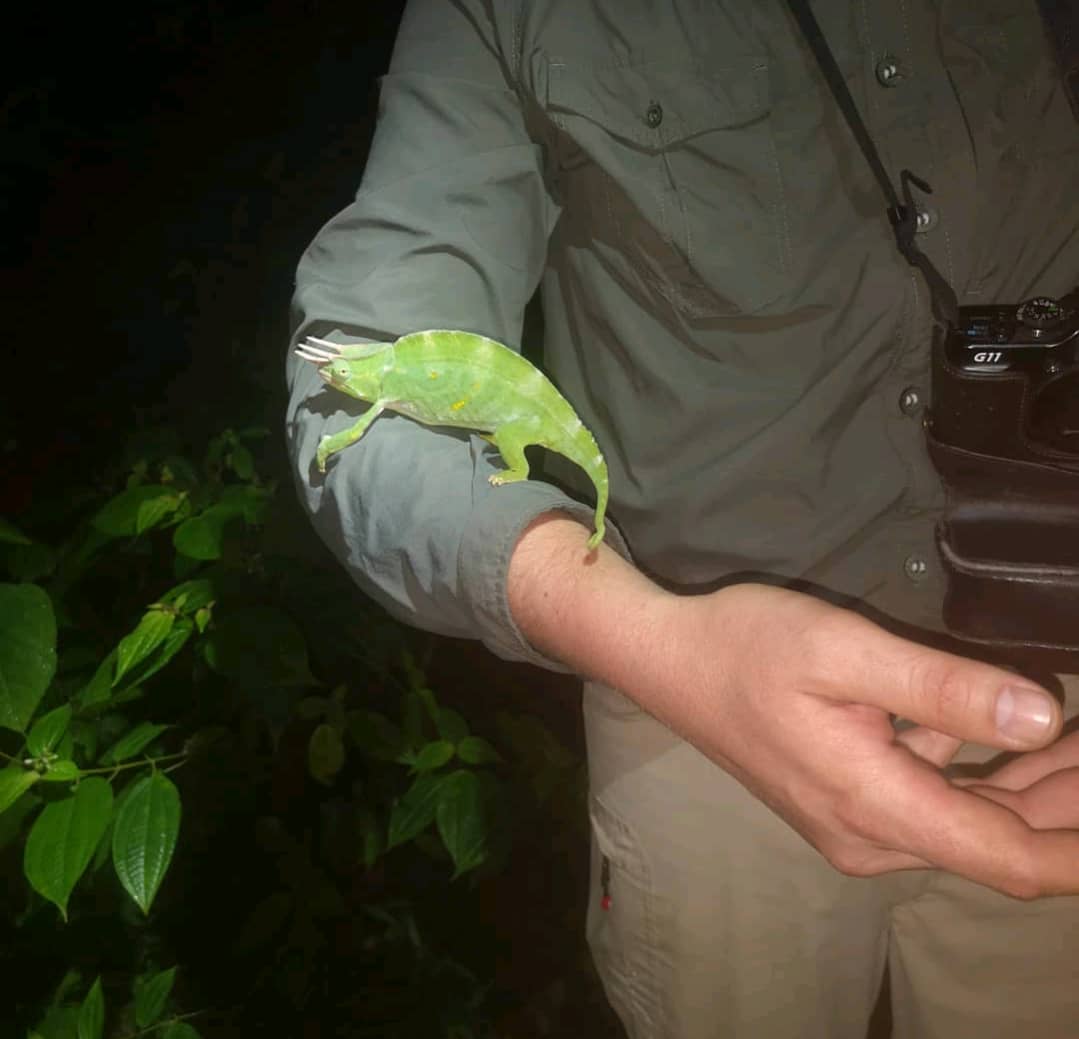
Tanga has been endowed with vital tourist attractions, including the rare three-horned chameleon and the Usambara eagle-owl (Bubo vosseleri), a remarkable bird species found in the Amani Nature Reserve.
TANGA: THE government in Tanga region, in collaboration with the Tanzania Forest Services Agency (TFS), is strengthening efforts to safeguard the region’s unique natural, historical, and cultural touristic attractions.
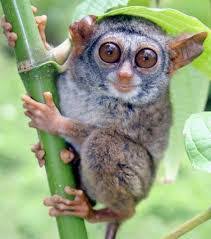
The famous endemic fauna species, which are only found in Tanga, includes over 340 bird species, the Usambara Eagle-owl, diverse reptiles like the three-horned chameleon, butterflies, and primates such as the Usambara red colobus and black-and-white colobus monkeys.
This initiative responds to recent reports of attempted thefts of driver ants and owl eggs from some ecological reserves in the country.
The Tanga Regional Commissioner (RC) Dr. Batilda Burian said the alarming incidents highlight the need for heightened vigilance among stakeholders in Tanzania’s tourism sector.
In a timely move to improve security in the key economic areas, Dr. Burian said that her office has directed TFS to enhance protection across all nature reserves in the region.

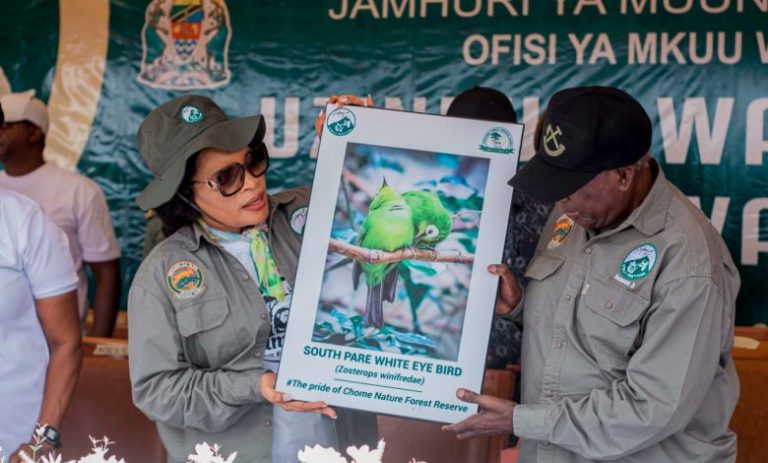
Dr Batilda Burian
In addition to security measures, Dr. Burian insisted the importance of public awareness campaigns to encourage community involvement in protecting natural resources.
“Tanga has been endowed with vital tourist attractions, including the rare three-horned chameleon and the Usambara eagle-owl (Bubo vosseleri), a remarkable bird species found in the Amani Nature Reserve,” she stated.
The presence of such unique species, according to the RC, positions Tanga as a prime destination for ecological tourism.
“The region is already attracting tourists, including international researchers who come specifically to study these distinctive creatures,” she added.
She warned that the loss of these species would be a significant blow to the nation, especially given their rarity elsewhere in the world.
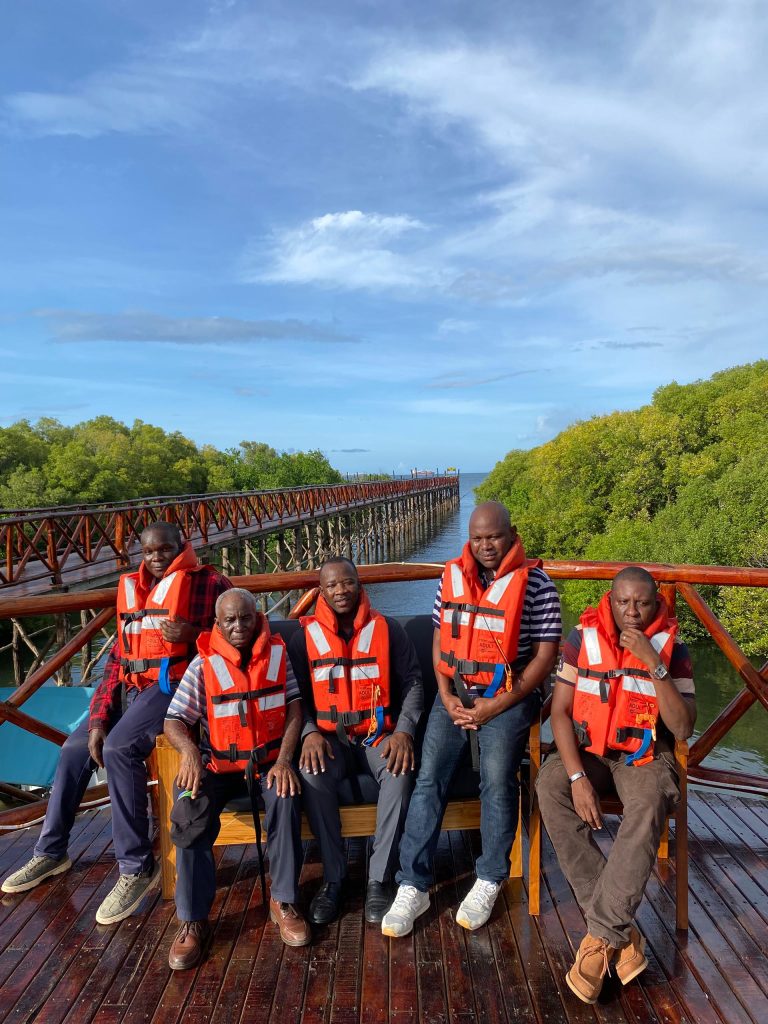
Tanga is home to several key tourist sites, such as Magamba and Nilo Nature Forest Reserves, Tongoni Ruins, Saadani and Mkomazi National Parks, Amboni Caves, Magoroto Forest, and the Mangrove Boardwalk.
Dr. Burian affirmed her office’s commitment to a “no-nonsense” campaign to promote and protect the tourism sector.
“Currently, the region welcomes around 200,000 visitors annually, but we aim to increase that number to at least one million tourists by 2030,” she said.
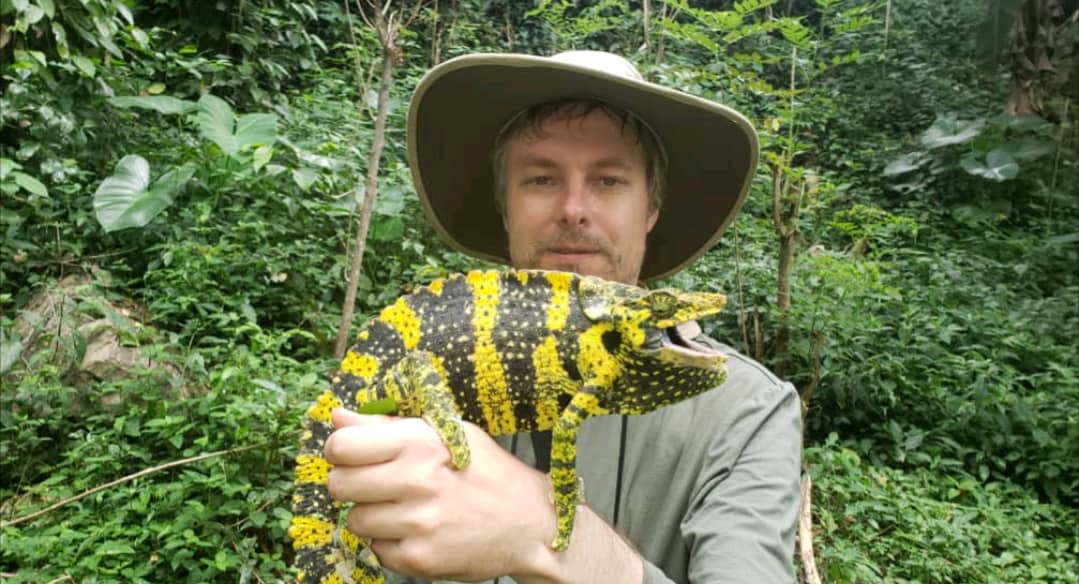
A visitor from England as seen carrying a giant chameleon at the Amani Nature Forest reserve, mapped in Handeni District, Tanga region.
With a number of strategic economic projects underway, including facelifting of Tanga’s airport, installation of the electronic- connected railway line, Dr. Burian expressed high optimism that the set visitor’s target will be achieved.
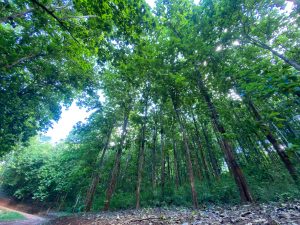
“We’re also working on aggressive tree planting campaign across the region, the stategy which goes in tandem with establishment of scenic public gardens in open spaces across the city of Tanga,” the RC revealed.
Dr. Burian commended President Samia Suluhu Hassan for her support in fostering economic growth and boosting tourism activities in the Tanga Region.