










Summary
The study also highlighted that, alongside the low intake of fruits and vegetables, the consumption of other nutritious foods like pulses, eggs, and meat remains a challenge due to their high cost.
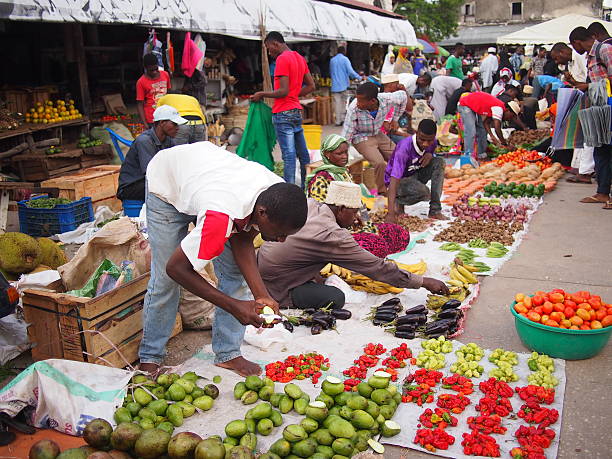
DODOMA: A SHOCKING 98.8 percent of Tanzanians are consuming fruits and vegetables below recommended levels, primarily due to fears about pesticides used on these crops, a new study has found.
The grim findings in the country’s nutrition sector were presented by Professor Joyce Kinabo from the Department of Nutrition at Sokoine University of Agriculture (SUA).
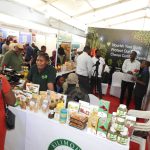
The Don unveiled the statistics at a national stakeholder workshop to provide feedback and discuss results from research conducted under the CGIAR Research Initiative on Fruit and Vegetables for Sustainable Healthy Diets FRESH/BDN project.
In her presentation, Prof. Kinabo noted that nearly all Tanzanians eat fruits and vegetables while harboring significant fears about the agrochemicals used.
She warned that this fear likely contributes to poor nutritional status and has fostered misconceptions about the safety of certain food crops, especially vegetables and fruits treated with these inputs.
“This fear presents a clear danger of malnutrition,” Prof. Kinabo said.
She underscored over the need for the government to encourage experts to go out and meet the public to provide education, instead of waiting in offices for reports.
Moreover, Prof Kinabo urged officials and specialists in the sector to take a more proactive approach.
“They need to leave their offices and instead go directly to the farmers in the fields to provide education on nutrition and the correct use of chemicals, in order to improve and protect consumer health,” she insisted.
The study also highlighted that, alongside the low intake of fruits and vegetables, the consumption of other nutritious foods like pulses, eggs, and meat remains a challenge due to their high cost.

Speaking at the same workshop, Colleta Ndunguru, the Regional Director for the Arusha- based World Vegetable Center (Wordveg) said her institution continues to collaborate with the government and various partners.
Ndunguru added that the role of the center focuses on ensuring access to quality seeds and providing proper education on the production and consumption of vegetables.
She expressed gratitude for the cooperation her centre receives from the government, specifically citing the Tanzania Agricultural Research Institute (TARI) and the Tanzania Plant Health and Pesticides Authority (TPHPA), among others.
Wiston Mwombeki, the National Coordinator for the Better Diets and Nutrition (BDN) project, called on stakeholders to utilise the research findings to bring tangible benefits to Tanzanian communities.
He also thanked the government for granting permission to conduct the study and for facilitating the feedback process to communities and high-level ministries.
Mwombeki itemized key ministries that participated in the workshop, including the Prime Minister’s Office, and the Ministries of Agriculture, Industry and Trade; Health; Community Development, Gender, Women and Special Groups; and Livestock and Fisheries.
The research was conducted in 2,594 households across five district councils in the Arusha and Kilimanjaro regions.
It was funded by the Consultative Group on International Agricultural Research (CGIAR), with partners including the World Vegetable Center and the International Food Policy Research Institute (IFPRI), and was managed by Sokoine University of Agriculture.