







Summary
The initiative aims to reduce firewood, charcoal use, protect environment, and save time.
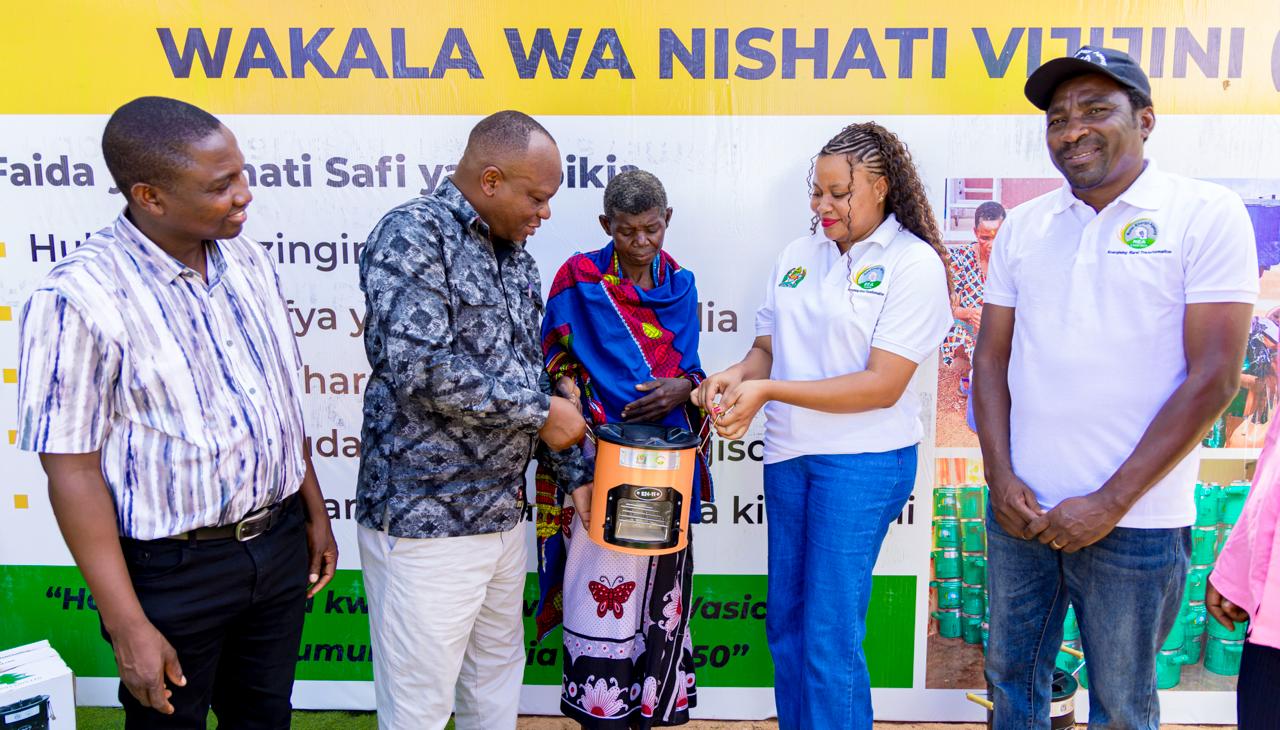
DODOMA: IN a significant step toward promoting clean energy and environmental conservation across Tanzania, the Rural Energy Agency (REA) women’s association has rolled out at least 300 energy-efficient stoves free of charge to low-income households in Bahi district of Dodoma region.
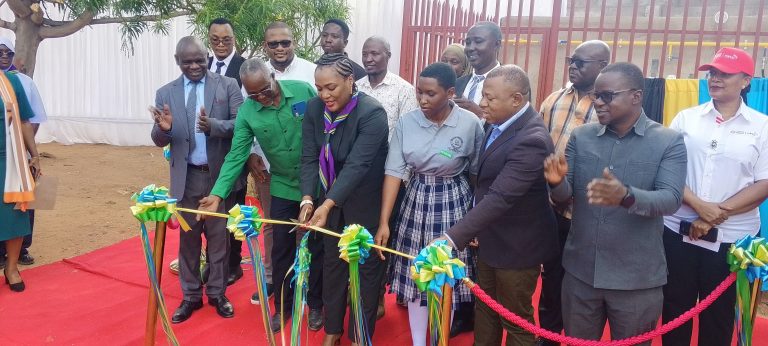
The distribution exercise, held March 9, 2026, was overseen by Bahi District Commissioner, Mr. Joachim Nyingo.
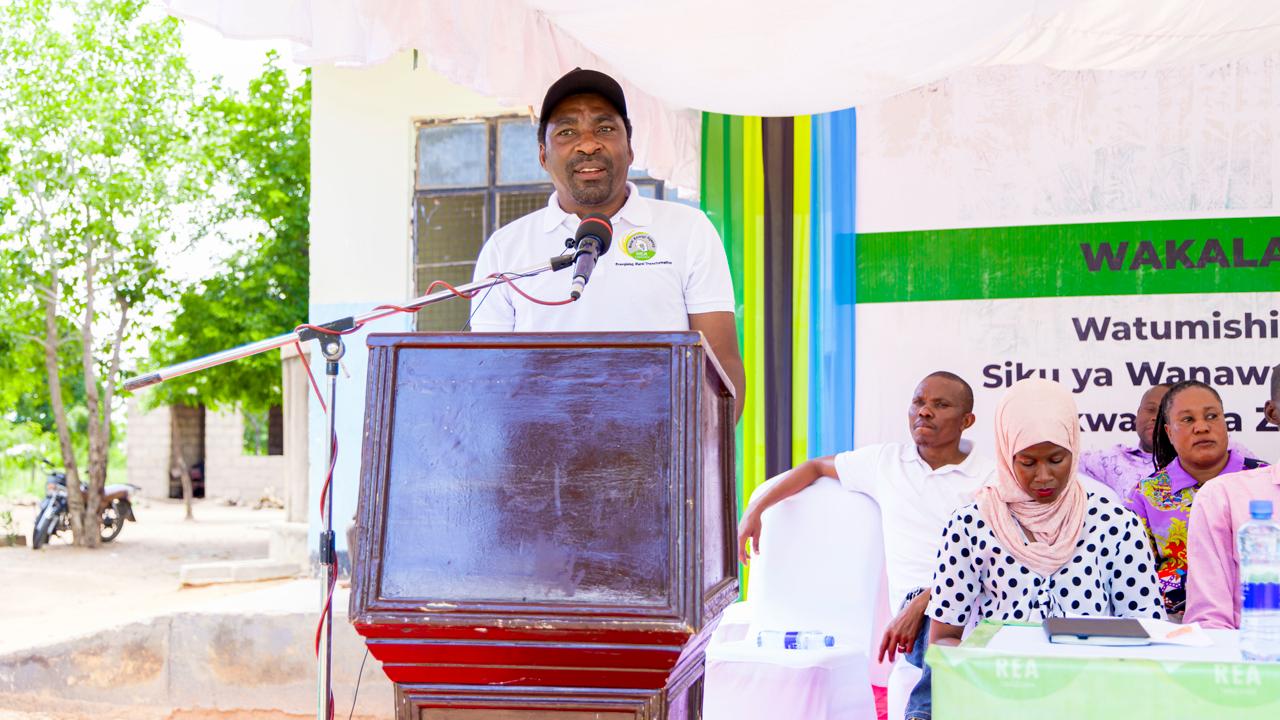
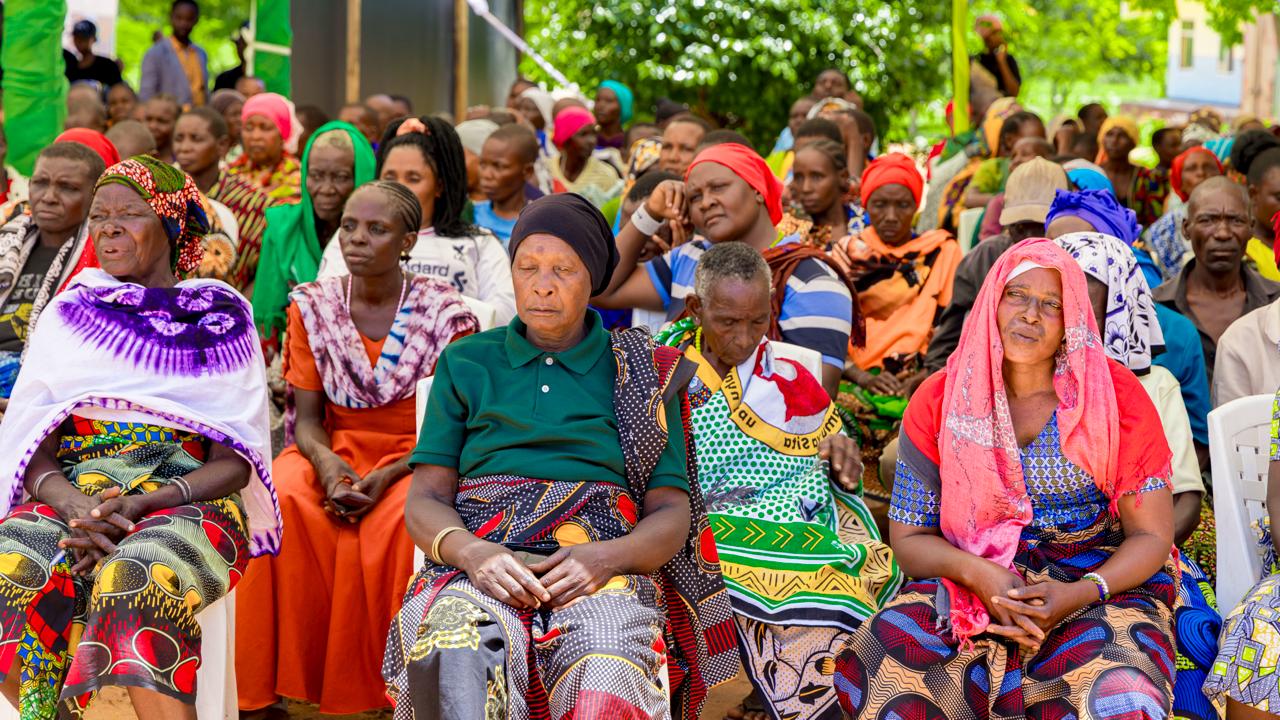
The stoves, worth around 16m/, were provided to support vulnerable families in three wards within the fast- growing district.
The wards include Bahi, Mpamantwa, and Ibihwa.
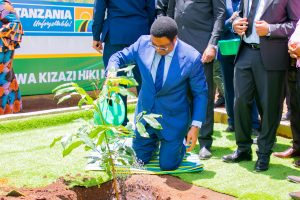
In his remarks during the handover ceremony, Mr. Nyingo challenged the beneficiaries to maintain the stoves carefully and use them as a catalyst for transitioning to clean cooking energy solutions.
He insisted over the importance of adopting safe and sustainable energy practices to preserve the environment.
“Population growth in rural areas has led to extensive tree cutting for charcoal and firewood. By using these efficient stoves, we can significantly reduce reliance on firewood and charcoal, save time in food preparation, and protect our environment,” he observed.
He called on recipients to become ambassadors for clean energy technologies and encouraged suppliers to expand the availability of clean cooking solutions in rural communities.
“I thank the REA Women’s Association for picking Bahi district and providing these stoves to poor households to curb the use of firewood and charcoal,”he appreciated.
Dr. Joseph Sambali, an Energy and Gender Specialist representing the REA Director General, explained that the stove distribution is part of ongoing efforts to implement the National Clean Cooking Energy Strategy.
The nationwide initiative, according to him, aims to ensure that over 80 percent of Tanzanians use clean energy for cooking by 2034.
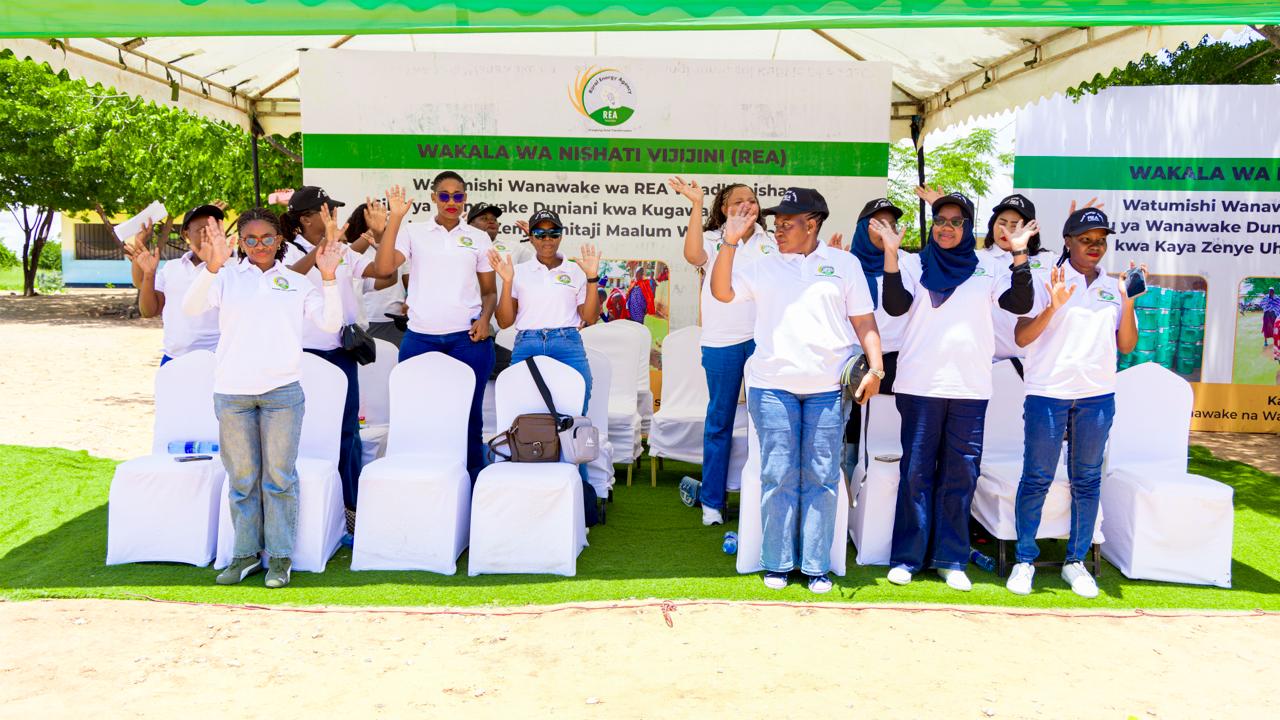
He detailed that the program not only seeks to reduce health risks associated with indoor air pollution but also to lessen the time burden on women and children, who often spend hours collecting firewood.
“This initiative reflects a growing commitment to sustainable development, clean energy access, and women’s empowerment in rural Tanzania,” he emphasized.
About REA
The Rural Energy Agency (REA) is an autonomous body under Tanzania’s Ministry of Energy, established in 2005 to promote and facilitate access to modern energy services in rural, mainland Tanzania.
It works to transform rural livelihoods by expanding grid and off-grid electrification, offering solar solutions, and providing grants through the Rural Energy Fund (REF).
Key Aspects of REA:
Mission: To increase access to affordable, reliable, and sustainable modern energy in rural areas.
Operations: Governed by the Rural Energy Board (REB) and funded by the government, development partners, and the Rural Energy Fund.
Focus Areas: Rural electrification, renewable energy technology adoption, and energy-saving techniques.
Projects: Projects include grid extension, solar packages, and mini-grid development.
Funding Support: Provides grants to project developers for capital costs, feasibility studies, and capacity building via the Project Preparation Support Facility (PPSF).
The agency plays a critical role in reducing the energy access gap in rural Tanzania, contributing to socio-economic development and improving rural livelihoods.