




Summary
* FETA is working to construct an $8.3 million training vessel.
*Tanzania has historically missed out on economic opportunities in international waters due to challenges such as inadequate technological infrastructure and a shortage of skilled professionals.
DODOMA: THE government of Tanzania has set to start the rollout the Standards of Training, Certification, and Watchkeeping for Fishing Vessel Personnel (STCW-F) program.
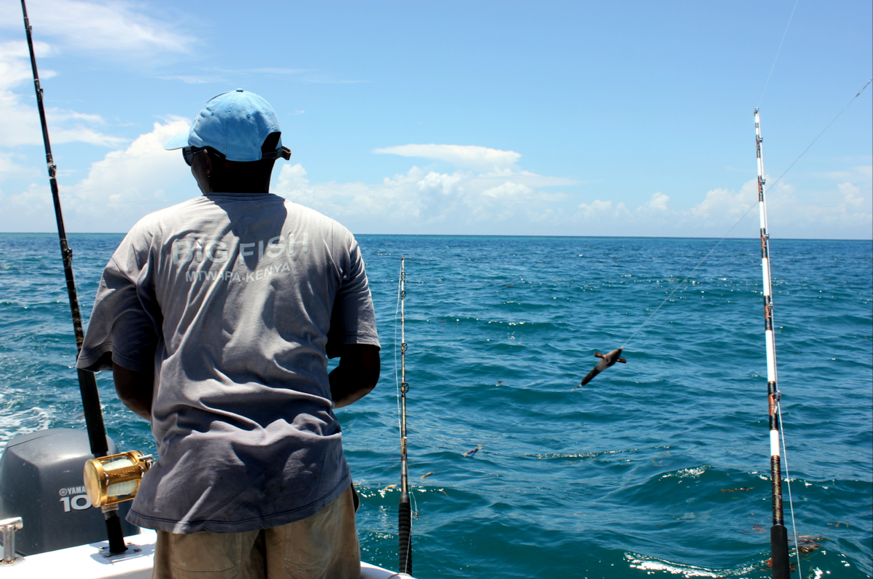
The vital training program under the Fisheries Education and Training Agency (FETA) reflects Tanzania’s efforts to benefit from deep- sea fishing.
The STCW-F standards are internationally recognized regulations that ensure mariners possess the necessary knowledge and skills to work safely at sea. Certification is mandatory for anyone working on vessels operating in international waters.
This initiative marks the first time such training will be offered in Tanzania and is expected to significantly enhance the country’s fishing sector and blue economy.
Deputy Minister for the Ministry of Livestock and Fisheries, Ms. Ng’wasi Damas Kamani, said that the program will be conducted alongside an observer course.

Ms. Ng’wasi Damas Kamani
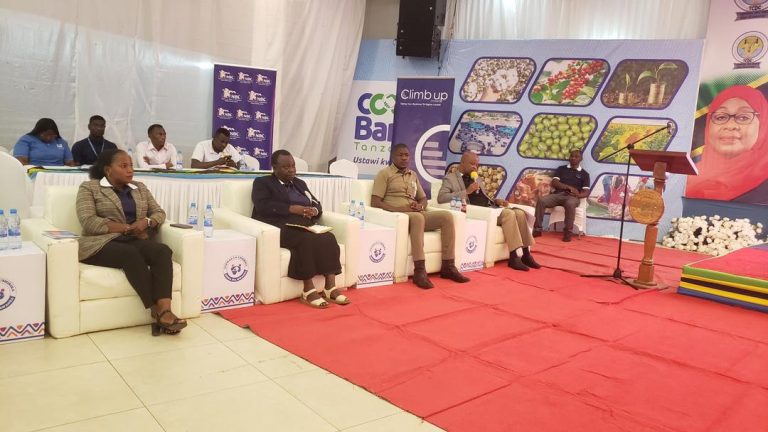
She made these remarks this afternoon (Thurday March 5, 2026) while officiating the launch of FETA’s third ministerial advisory board in Dodoma Capital City.
“Introducing these two training programs will equip local practitioners with essential expertise, ultimately transforming and increasing productivity in Tanzania’s fishing industry,” Ms Kamani stated.
She noted that Tanzania has historically missed out on economic opportunities in international waters due to challenges such as inadequate technological infrastructure and a shortage of skilled professionals.
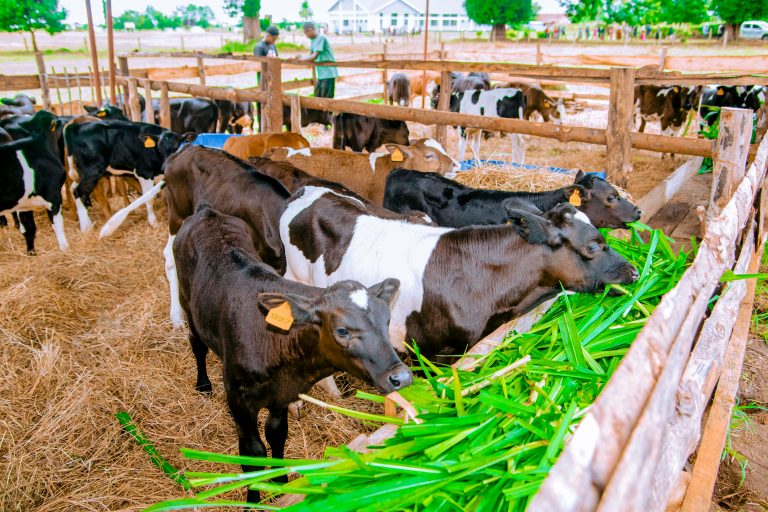
She also directed FETA to increase the production of fish seeds, from the current 450,000 per month to at least 10 million, while improving their quality.
She tasked the board with responsibly managing the agency’s land use through a clear master plan.
“The government is implementing several strategies to strengthen the sector, aiming to increase its contribution to the country’s gross domestic products (GDP), and create more opportunities, particularly for youth,” she informed.
The ongoing Better Building Tomorrow (BBT) program, which encourages youth participation in fisheries is one among the efforts, according to her.
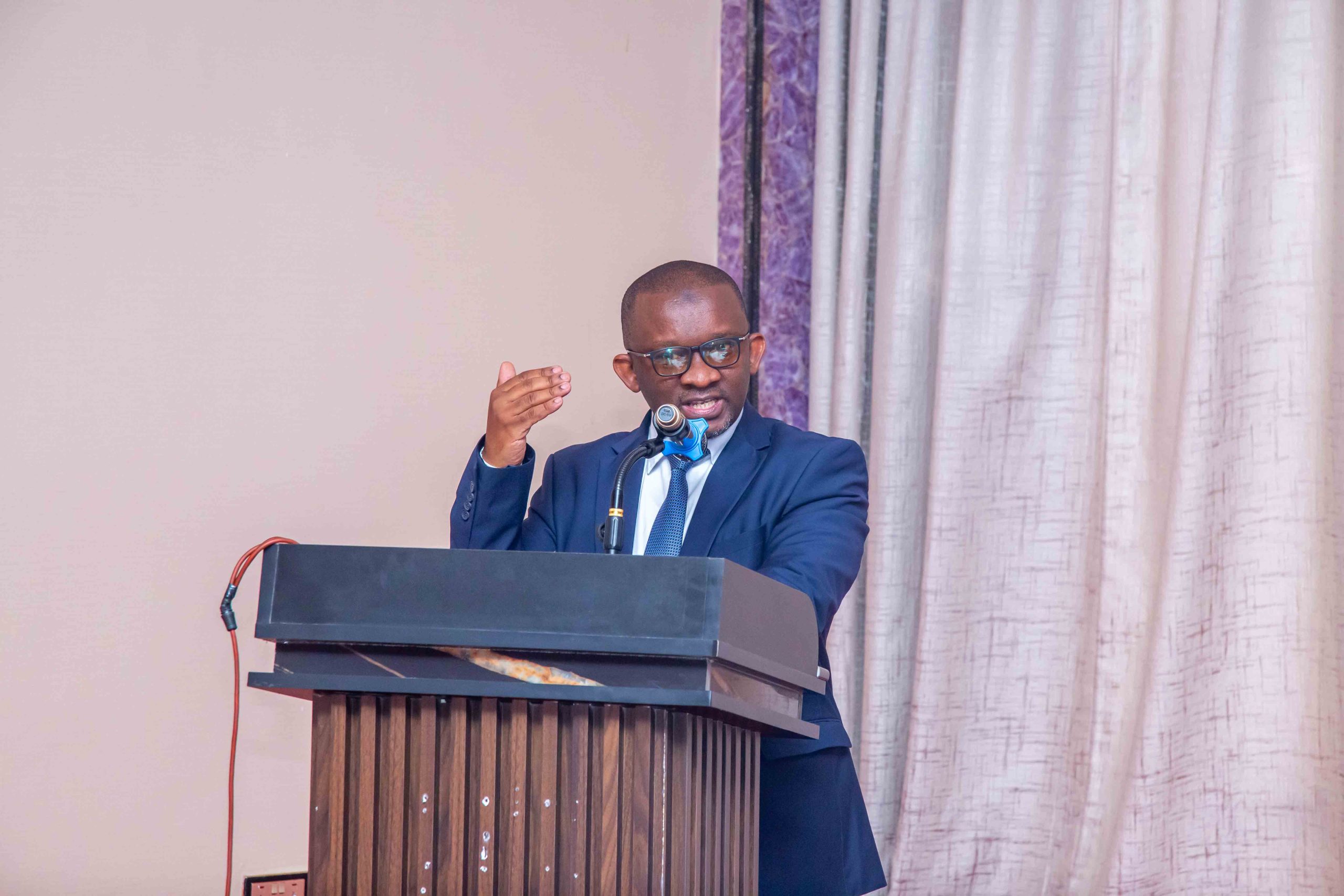
Dr. Semvua Mzighani
FETA’s Chief Executive Officer (CEO), Dr. Semvua Mzighani, confirmed that preparations to offer the two courses are well underway.
To ensure practical training, he said the agency is constructing an $8.3 million training vessel.
“Procurement for the vessel’s equipment is progressing well, and this facility will be crucial in providing students with hands-on skills,” he assured.
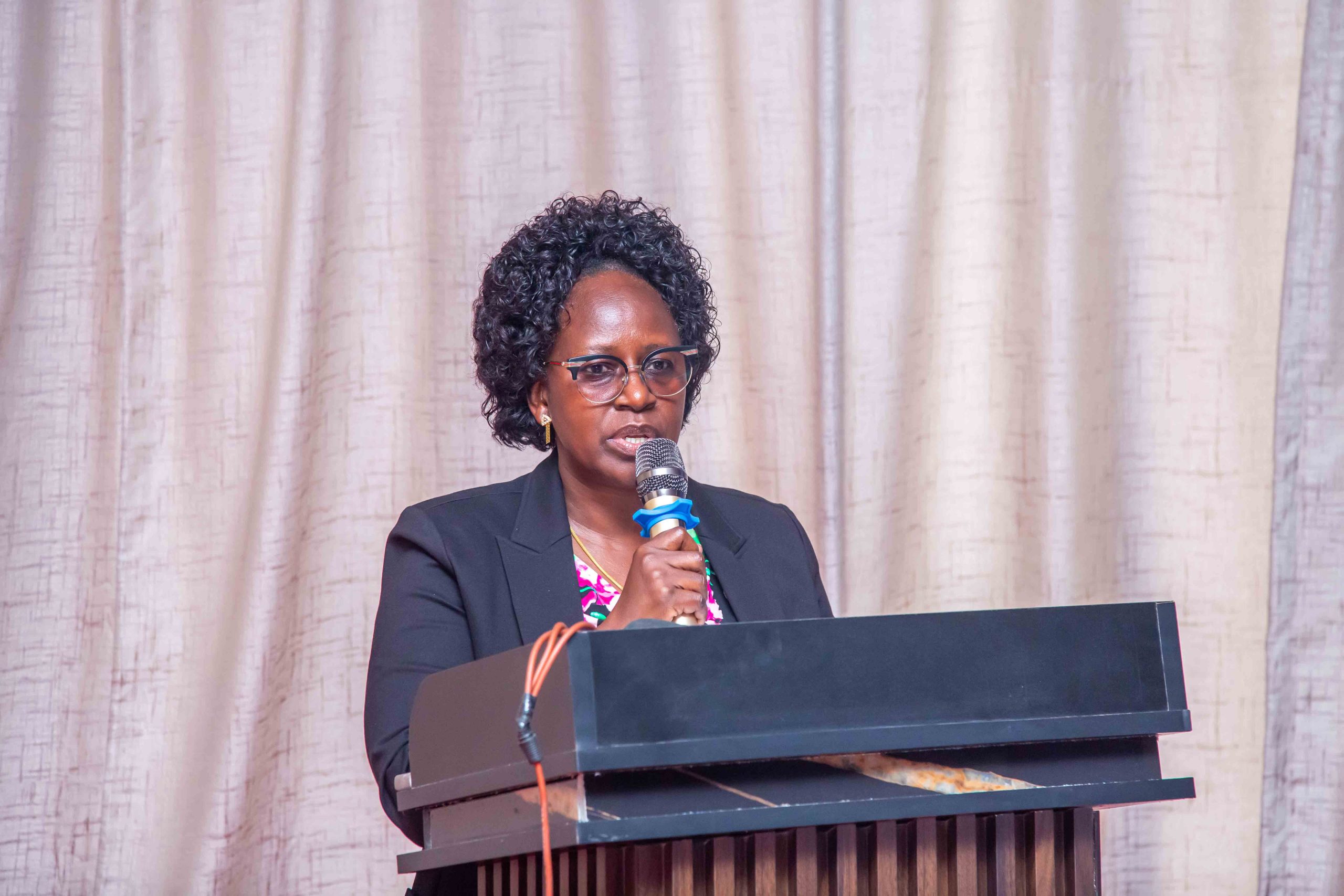
Ms Agnes Meena
Permanent Secretary (PS) for the parent ministry, Ms. Agnes Meena, expressed confidence in the newly appointed board members, describing them as experienced and results-driven.
She urged the board to focus on revitalizing fish stocks across the country.
Board Chairperson Dr. Blandina Lugendo thanked President Samia Suluhu Hassan for her support toward fisheries development and pledged that the board would diligently implement the government’s directives.
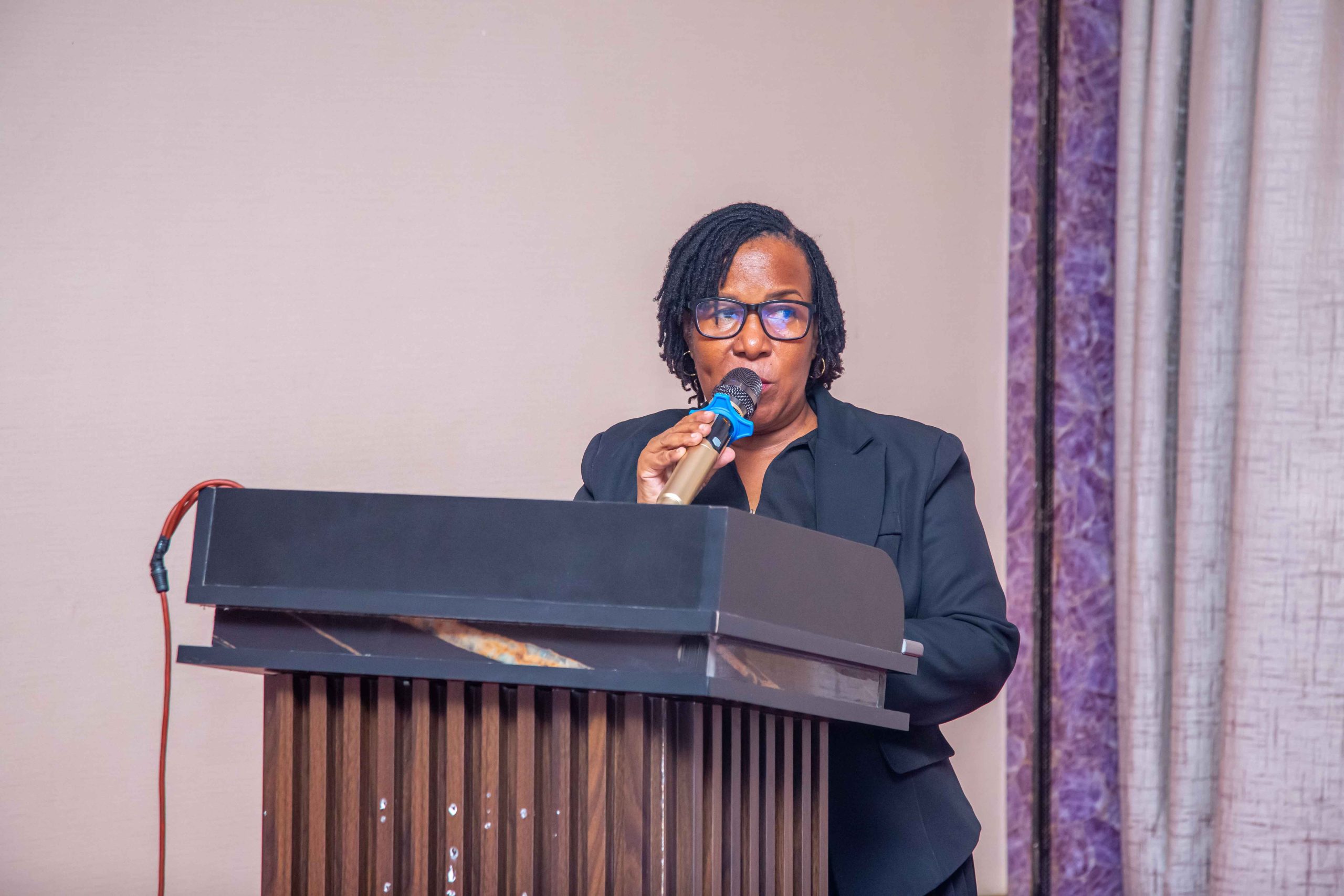
Dr. Blandina Lugendo
Tanzania’s fishing sector is undergoing significant transformation, supported by initiatives such as the $117 million Tanzania Scaling-Up Sustainable Marine Fisheries and Aquaculture Management (TASFAM) project, funded by the World Bank and running from 2025 to 2030.
The project aims to promote sustainable marine and aquaculture growth, improve value chains, and strengthen infrastructure.
Key targets include increasing fish production to 1 million tonnes by 2037, raising aquaculture’s share of total production from 4 percent to 20 percent, expanding seaweed farming, and promoting sustainable practices.
In early 2026, the government restricted industrial fishing in Lake Victoria to protect resources.
Youth engagement remains a priority, with 7bn/- ( $2.8 million) allocated in the 2025/26 budget for loans targeting young cage farmers.
Despite being one of Africa’s top 10 fishing nations, Tanzania’s sector faces obstacles such as limited cold storage, high fuel costs, and poor infrastructure, especially among small-scale fishers.
Deep-sea fishing is further hampered by a lack of modern fishing ports and limited capacity within the exclusive economic zone.
Through training, investment, and sustainable policies, Tanzania aims to overcome these barriers and fully harness the potential of its blue economy.