




Summary
In implementing resolutions from the Third Organic Agriculture Conference held in 2023, the government has allocated funds in the 2025/2026 Ministry budget to implement the National Organic Agriculture Strategy.
DODOMA: THE government of Tanzania is implementing a series of interventions to reform the agriculture sector, aiming to reduce poverty and increase employment opportunities for youth.
Deputy Minister for Agriculture, Mr David Silinde, made the remarks in Dodoma while officiating at the Fourth National Organic Agriculture Conference.
The crucial forum attracted organic agriculture stakeholders from within and outside the country.
Mr. Silinde expressed that the government’s reforms aim to ensure the sector contributes to poverty reduction and job creation, especially for youth and women, while achieving 10 percent agricultural growth by 2030.

To attain this ambitious goal, Mr Silinde said the government has taken deliberate steps to increase the agriculture budget to 1.24tri/- for the 2025/2026 financial year.
The Minister noted that in implementing resolutions from the Third Organic Agriculture Conference held in 2023, the government has allocated funds in the 2025/2026 Ministry budget to implement the National Organic Agriculture Strategy.
He added that, the government has also ensured that colleges begin offering Organic Agriculture courses, including Sokoine University of Agriculture (SUA).
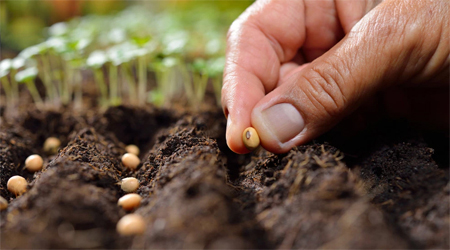
Minister Silinde noted that the Ministry has made various efforts to conserve indigenous seeds through the Agricultural Research Institute by collecting, cleaning, and preserving a total of 770 varieties of traditional seeds, including millet, rice, sorghum, finger millet, bananas, beans, and papaya.
He further said that through the Tanzania Official Seed Certification Institute (TOSCI), the Ministry has completed the identification of 13 indigenous seed varieties of maize, rice, beans, and papaya, which have now been incorporated into the formal seed system.
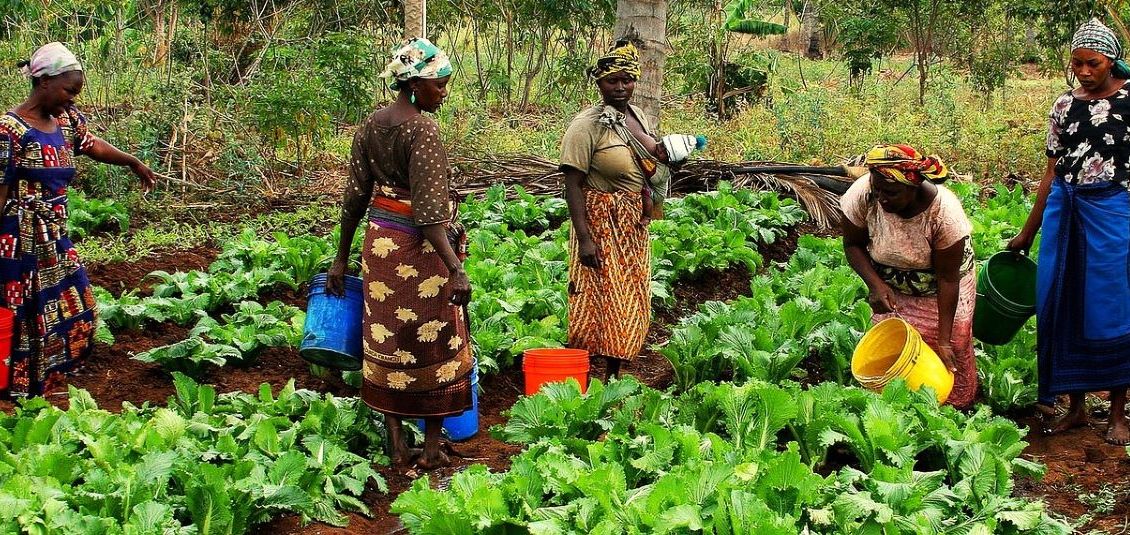
Through the Tanzania Agricultural Research Institute (TARI), the Ministry plans to strengthen the availability of indigenous seeds.
For the 2025/2026 financial year, it continues to collect, clean, and preserve 360 varieties of traditional seeds, including rice, sesame, finger millet, millet, green grams, cowpeas, bananas, cashew nuts, sweet potatoes, black pepper, cucumber, pigeon peas, and soybeans.
“Both the government and other organic agriculture stakeholders still need greater efforts to effectively implement strategic interventions and achieve sustainable agriculture goals while ensuring food sufficiency with environmental conservation,” he said.
He used the opportunity to call on stakeholders to continue financing the implementation of the strategy under the coordination of the task force to achieve the intended outcomes for society and the nation at large.
Mr. Silinde said the Ministry will prioritize all resolutions adopted at the conference in collaboration with stakeholders.
The well-attended event in the capital city was convened under the theme: “Organic Agriculture: Strengthening Food and Nutrition Security, Resilience and Economic Sustainability.”
On his part, the Chairperson of the Board of the Tanzania Organic Agriculture Movement (TOAM), Dr Mwatima Juma, commended the government for removing approximately 200 toxic pesticides from circulation in the agriculture sector.
Meanwhile, the Deputy Permanent Secretary in the Ministry of Agriculture, Professor Peter Msoffe, urged stakeholders to continue working closely with the government to achieve the target of 10 percent agricultural growth and expand regional markets.
Earlier, the Chief Executive Officer of TOAM, Mr.Bakari Mongo, said the three-day conference brought together local and international stakeholders to reflect deeply on ways to advance organic agriculture initiatives, including implementation of the National Organic Agriculture Strategy 2023–2030.
He added that efforts are also focused on ensuring implementation indicators are met to achieve national food sufficiency while promoting proper nutrition and environmental conservation.