




Summary
In Tanzania, tourism contributes over 25 percent of foreign exchange earnings, 17.1 percent of the Gross Domestic Product, and approximately 1.6 million formal and informal jobs
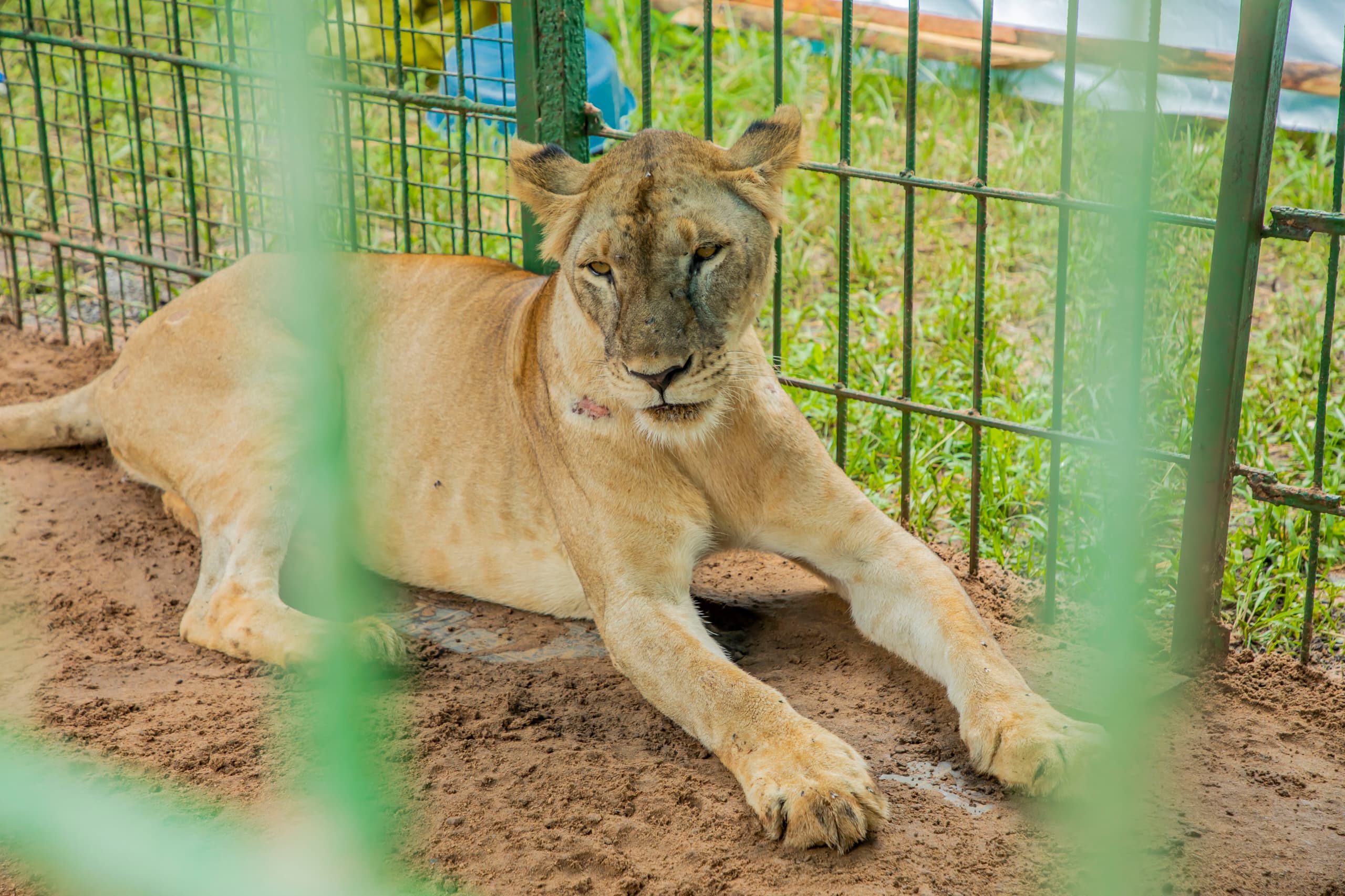
ARUSHA: Tanzanians have been urged to advance wildlife conservation, as these animals are not only a source of wonder and purpose but also a vital resource in generating foreign exchange and boosting the nation’s economy.
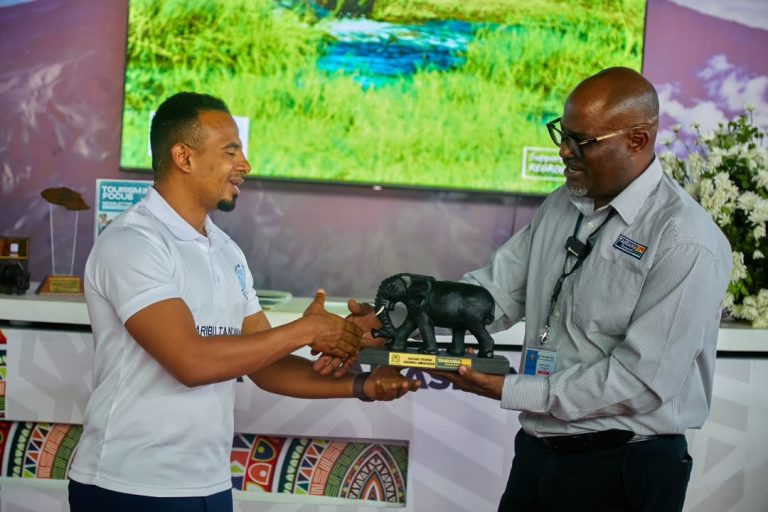
While officially closing the celebrations of World Wildlife Day in Arusha City, the Minister of Natural Resources and Tourism, Hon. Dr. Ashatu Kijaji (MP), stated that forest and wildlife resources are both a heritage and an attraction that earn the country foreign currency and help uplift the national economy.

Dr. Ashantu Kijaji
Dr. Kijaji hailed the dedicated efforts of the President of the United Republic of Tanzania, Samia Suluhu Hassan, which have enabled the advancement and strengthening of wildlife resource conservation, stimulated growth in the tourism sector, and allowed it to shine internationally and earn awards.
“Tourism in our country contributes over 25 percent of foreign exchange earnings, 17.1 percent of the Gross Domestic Product, and approximately 1.6 million formal and informal jobs,” Dr. Kijaji informed.
In addition to commending all conservation institutions in the country, Dr. Kijaji called on them to continue intensifying efforts in the sustainable conservation of natural resources, especially wildlife, against poaching and other forms of destruction.
On his part, the Deputy Permanent Secretary of the Ministry of Natural Resources and Tourism, Mr. Nkoba Mabula, stated that his office will fully oversee all directives issued to ensure that conservation continues to be a blessing for Tanzanians and the nation as a whole.
Speaking about the celebrations under the theme “Medicinal and Aromatic Plants: Preserving Health, Conserving Heritage, and Improving Lives,” the Director of the Wildlife Division, Dr. Alexander Lobora, said the aim is to remind citizens about the contribution of medicinal and aromatic plants in safeguarding human health, preserving heritage, improving community livelihoods, and supporting wildlife conservation in the country—wildlife that largely depends on these plants.
What you need to know about Tourism in Tanzania
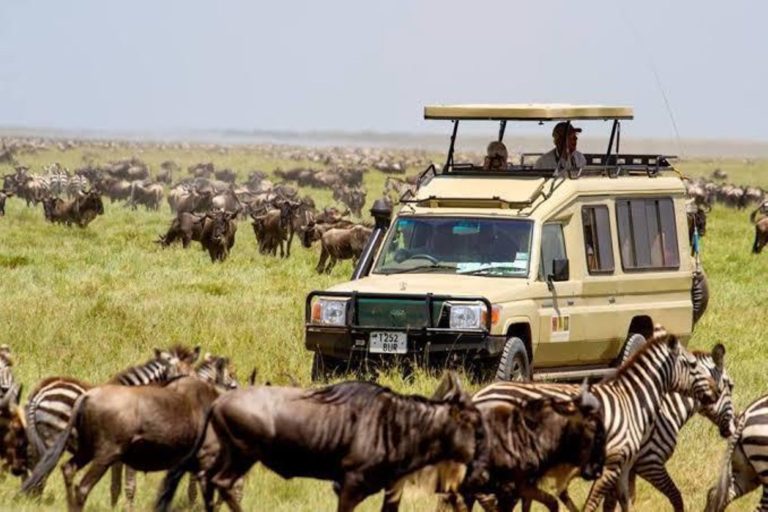
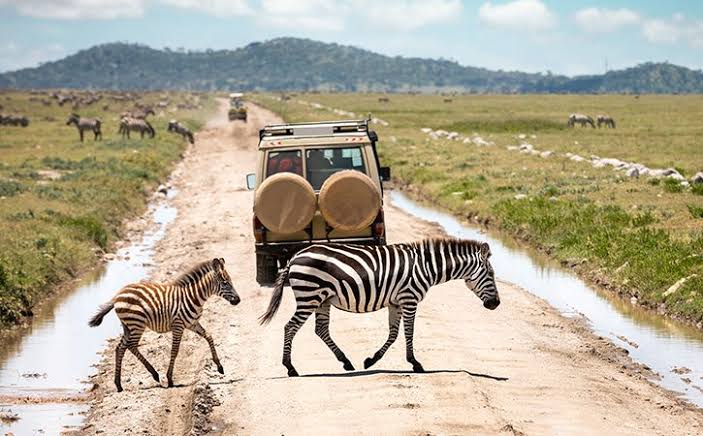
Tanzania is a premier African tourism destination, renowned for iconic wildlife safaris in the Serengeti, the Ngorongoro Crater, and trekking Mount Kilimanjaro, the continent’s highest peak.
As of 2026, the sector is booming, with over 5 million visitors annually drawn to its diverse attractions, including pristine Zanzibar beaches, 22 national parks, and rich cultural experiences.
Top Tourism Highlights and Regions
Northern Circuit (Wildlife & Mountains): Serengeti National Park (famous for the Great Migration), Ngorongoro Crater (a World Heritage Site), Tarangire National Park, and Lake Manyara.
Kilimanjaro and Meru: Hiking and climbing the world’s highest free-standing mountain.
Zanzibar and Coast: Known for world-class beaches, snorkeling, and the historic Stone Town.
Southern and Western Circuits: Nyerere National Park (formerly Selous) and Mahale Mountains for chimpanzee trekking.
Key Information for Visitors
Best Time to Visit: Dry season (June–October) is ideal for wildlife viewing; the wildebeest migration usually passes through the Serengeti from June to August.
Safety: Generally safe, with political stability. However, tourists should take standard precautions, such as using hotel safes and avoiding walking alone at night.
Entry Requirements: Most visitors require a visa, which can be obtained online (e-Visa).
Health: Malaria risk exists, so prophylaxis is recommended. Drink only bottled water.
Currency: Tanzanian Shilling (TZS), though US Dollars are widely accepted for tourism services.
Recent Trends and Developments (2026)
Record Growth: Tanzania is experiencing a surge in tourism, surpassing visitor targets and winning awards as the world’s leading safari destination.
Infrastructure Improvements: The government is upgrading roads and airports to enhance access to parks.
Sustainability and Ethics: While tourism grows, initiatives are in place to address conservation and community impacts, though challenges regarding land use in areas like Ruaha exist.