



Summary
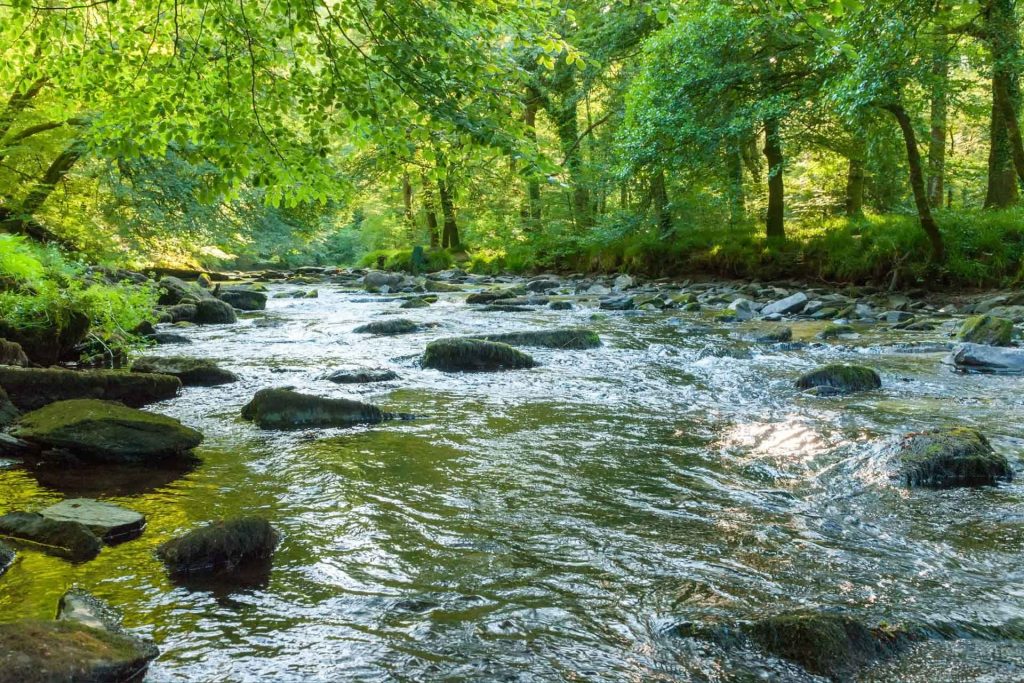
The rejuvenated water bodies now host various fish species, frogs, birds, and wild ducks, restoring biodiversity to the area.
GEITA: The Tanzania Forest Services Agency (TFS) has successfully restored 14 key water catchment areas within the Silayo Forest Plantation in Geita.
The vital water sources had completely dried up due to severe environmental degradation in the former Biharamuro natural forest.
In a bid to restore the area’s ecosystem, the government entrusted TFS with managing the forest in 2017/18.
Silayo Forest Plantation Conservation Officer Juma Mwita Mseti reported that the catchment areas have now been revived.
“When we began this project, there were no
visible signs of these water sources in the degraded forest,” he said.
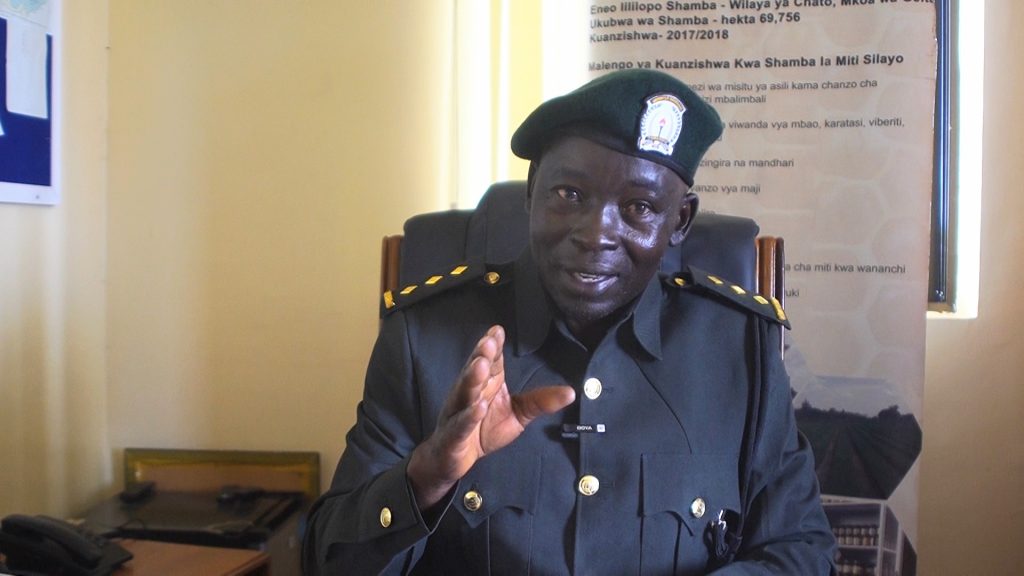
Juma Mwita Mseti
He credited the success to the strong support of TFS Conservation Commissioner Prof. Dos Santos Silayo, noting that the restored forest now enjoys ample water from the recovered natural sources.
The rejuvenated water bodies now host various fish species, frogs, birds, and wild ducks, restoring biodiversity to the area.
“The restoration of these water sources is significant, as they flow through several neighboring villages, supporting key economic activities,” he added.
He said villagers are now able to undertake economic projects such as large-scale cultivation of rice and vegetables, and have a reliable water supply for their livestock.
“From the outset, we have focused on effective tree planting to improve the environment while creating diverse economic opportunities for nearby communities,” Mseti stated.
Since its launch in 2018, the project has planted trees across approximately 5,439 hectares, equivalent to 8.3 percent of the forest’s total area.
To support Tanzania’s timber industry, species such as Pinus spp (95.6pc), Afzelia quanzensis, Gmelina arborea, Khaya anthotheca, and Eucalyptus spp have been introduced.
Mseti insisted that the project aligns with President Samia Suluhu Hassan’s nationwide efforts to improve social service delivery.
He informed that to date, the initiative has invested 673.6m/-in community empowerment initiatives in Chato District.
A significant portion, 396,202,040 /- was allocated to upgrading educational infrastructure at Minkoto and Bwaga secondary schools, and Butengo and Nyamibanga primary schools.
Additionally, a modern dispensary and a doctor’s house were built in Butengo village, while a dispensary in Nyampalahala village received roofing support.
A major CSR achievement is the installation of a comprehensive water project in Butengo village, Butengorumasa ward.
“Before this, residents, especially women, had to travel long distances to fetch water,” Mseti noted.
To bolster agriculture, the plantation allows around 5,000 residents from nearby villages to grow crops in designated areas, enhancing both food security and household incomes.
The Silayo plantation is also a major employment source, creating approximately 9,000 direct jobs over the past eight years.
Located in Katoro town, about 65 km from Chato district headquarters, the 65,248.54-hectare Silayo Forest Plantation is poised to strengthen the timber industry in the Lake Zone and across Tanzania.
Originally called “Chato Tree Farm,” the plantation, Tanzania’s second-larges, was renamed “Silayo Tree Farm” by former President Dr. John Pombe Magufuli in honor of TFS Commissioner Prof. Dos Santos Silayo for his contributions.
Currently, about 5,439 hectares, equivale to 8.3 percent of the total area, is covered with diverse tree species.
About The Author
