







Summary
Tanzania is currently advancing key climate processes, including implementing its Nationally Determined Contributions (NDCs), shaping climate finance frameworks, and formulating adaptation and mitigation strategies.
TANZANIA: THE Gender and Climate Change Tanzania Coalition (GCCTC) has expressed the urgent need to increase the participation of women and youth in climate change decision-making and negotiations.
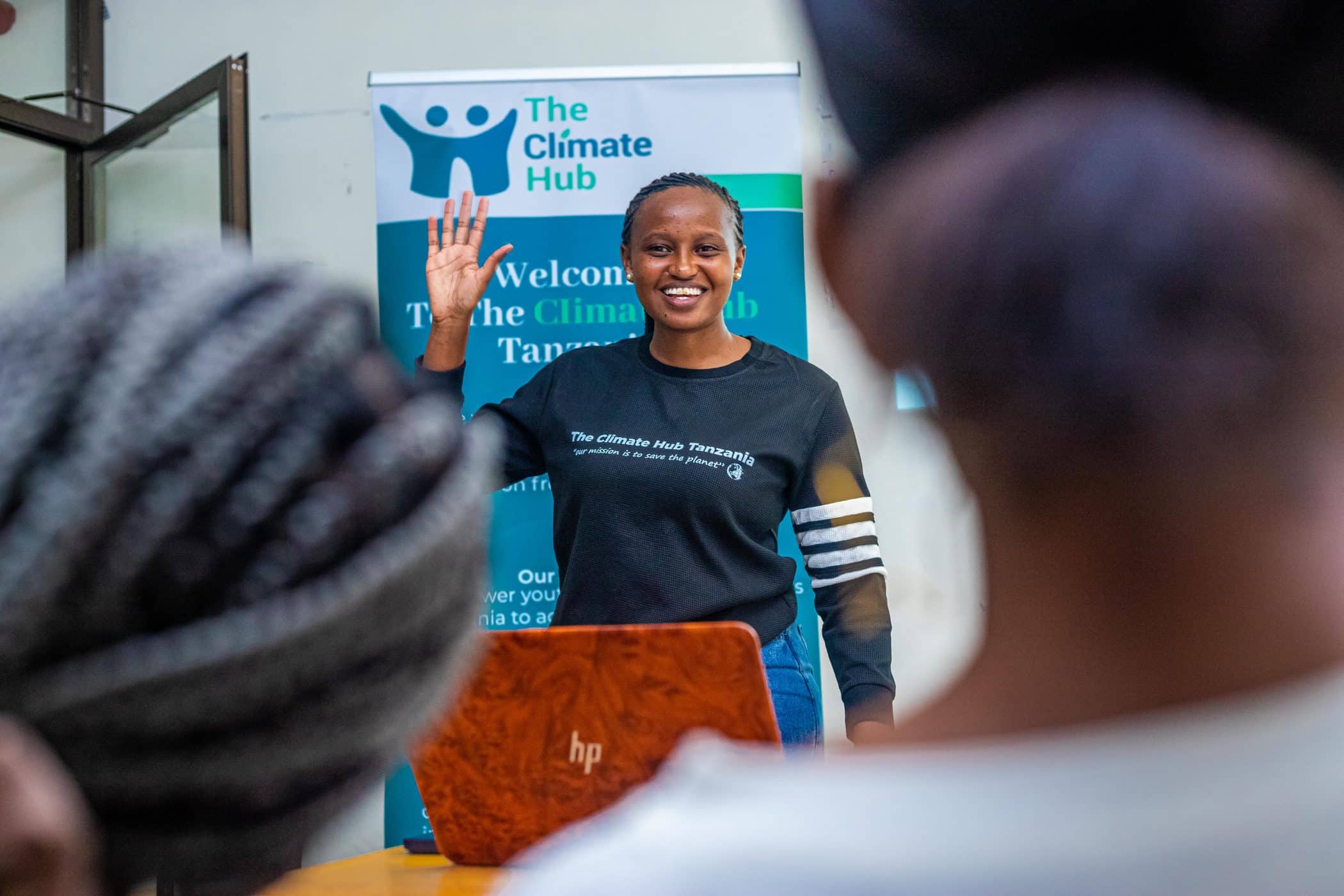
Speaking at a special conference, Ms. Maria Mtui, Coordinator of GCCTC noted that despite national and global commitments to inclusion, meaningful and informed engagement of women and young people in climate negotiations remains limited.
The forum, organized jointly by GCCTC and the Women Action Towards Economic Development in Tanzania (WATED), brought together key sectoral ministries and stakeholders.
Attendees included officials from the Ministry of Livestock and Fisheries, the Ministry of Lands, Housing and Human Settlements Development, the Ministry of Constitution and Law, and the Commission for Human Rights and Good Governance (CHRAGG).
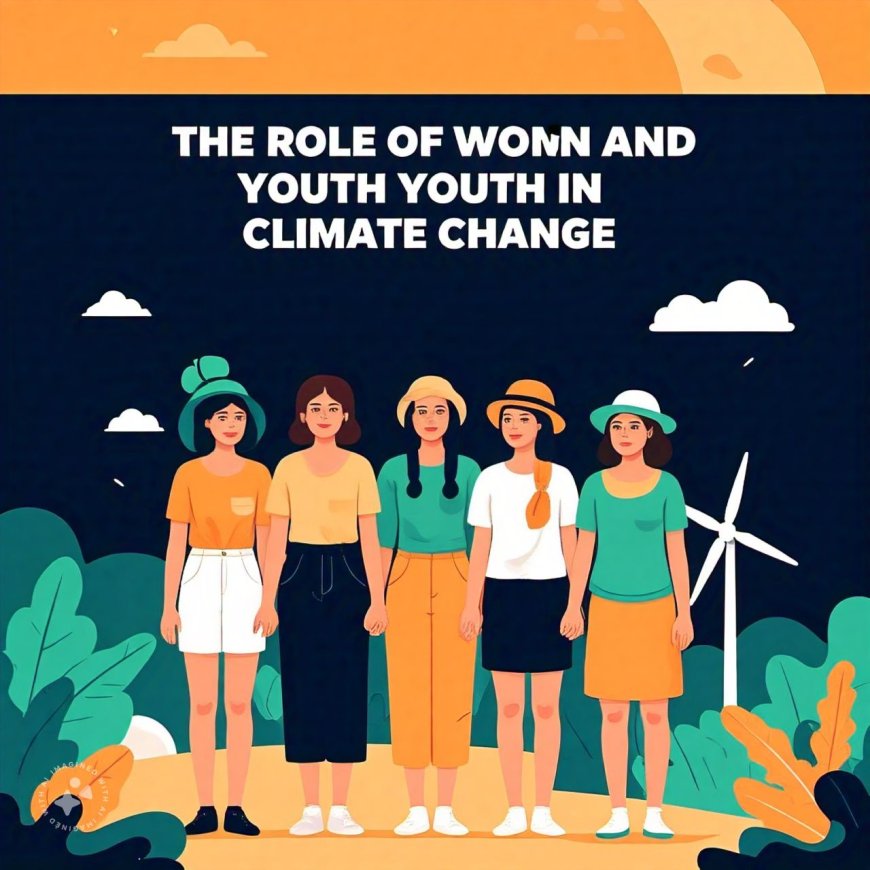
The conference served as a critical platform in developing a dedicated Women and Youth Climate Negotiations Guide for Tanzania.
“Following discussions with stakeholders and ministries, GCCTC recognizes the urgent need to strengthen the participation, voice, and influence of women and youth in climate decision-making and negotiations,” Ms. Mtui stated.
She explained that Tanzania is currently advancing key climate processes, including implementing its Nationally Determined Contributions (NDCs), shaping climate finance frameworks, and formulating adaptation and mitigation strategies.
Active engagement in regional and global climate negotiations is also underway.
This new guide aligns with Tanzania’s national gender and youth policies, its climate commitments, and global frameworks.
It aims to ensure women and youth are not only present but influential in shaping climate outcomes that affect their lives and future generations.
However, Ms. Mtui noted that stakeholder consultations during the forum revealed persistent gaps, particularly in access to negotiation knowledge, practical guidance, and coordination.
This is especially true for grassroots women, youth, and civil society actors engaging with climate platforms at national, regional, and international levels, she observed.
“There is a strong demand for a practical, context-specific guide that demystifies climate negotiations, clarifies entry points, and equips women and youth with tools to engage confidently and strategically,” Ms. Mtui insisted.
She added that the guide will support capacity building, improve coordination between government and non-state actors, and help foster more inclusive, gender-responsive, and youth-centered climate decision-making in Tanzania.
About GCCTC
The Gender and Climate Change Tanzania Coalition (GCCTC) is an advocacy organization dedicated to integrating gender equality and human rights into climate change policies, programs, and actions across Tanzania.
It focuses on empowering women and marginalized groups, promoting inclusive decision-making, and strengthening community-led climate resilience.
Key Areas of Focus and Activities
Policy Advocacy: The GCCTC works to ensure gender-responsive, evidence-based climate policies, often by engaging directly with government, conducting research, and strengthening the capacity of women and youth to participate in climate negotiations.
Community Participation: They facilitate the co-design of climate initiatives with local communities, utilizing indigenous knowledge to strengthen resilience.
Capacity Building: The coalition conducts training, mentorship, and awareness campaigns on the gendered impacts of climate change.
Resource Mobilization: They advocate for, and seek, financial and in-kind resources to support local, gender.
Core Goals
Gender-Responsive Policies: Advocating for the inclusion of women and gender minorities in national and local climate decision-making.
Knowledge Sharing: Organizing workshops, seminars, and webinars to foster learning and best practices in the sector.
Empowerment: Strengthening the capacity of stakeholders to address the unique vulnerabilities of women in the face of climate change.
The GCCTC serves as a vital network, collaborating with government agencies, civil society organizations, and international partners to build a sustainable and equitable future.