









By Senior Reporter VALENTINE OFORO
THE National Food Reserve Agency (NFRA) is expecting to spend at least 202bn/- to purchase and preserve a total of 92,000 tons of emergence sugar.
The timely development focuses cater for demand for the sweeter -flour during period of scarcity, as well as curtailing unnecessary price increase.
Giving an exclusive interview to this publication in Songwe region, the NFRA’s chief executive officer, Dr Andrew Komba said the state-owned food reserve Agency will purchase the sugar under the supervision and coordination of the Sugar Board of Tanzania (SBT).
He expressed the NFRA was currently working to install and prepare professional storage facilities ahead to embark on the vital exercise of starting to purchase and store the said tonnages of sugar.
“In the 2024/25 fiscal year, among the top directives that NFRA received from the government inline to expand and facelift its performance is to start purchasing and store sugar for two major purposes, to cater for sugar emergencies as well as to overcome the sugar gape within the country,” he said.
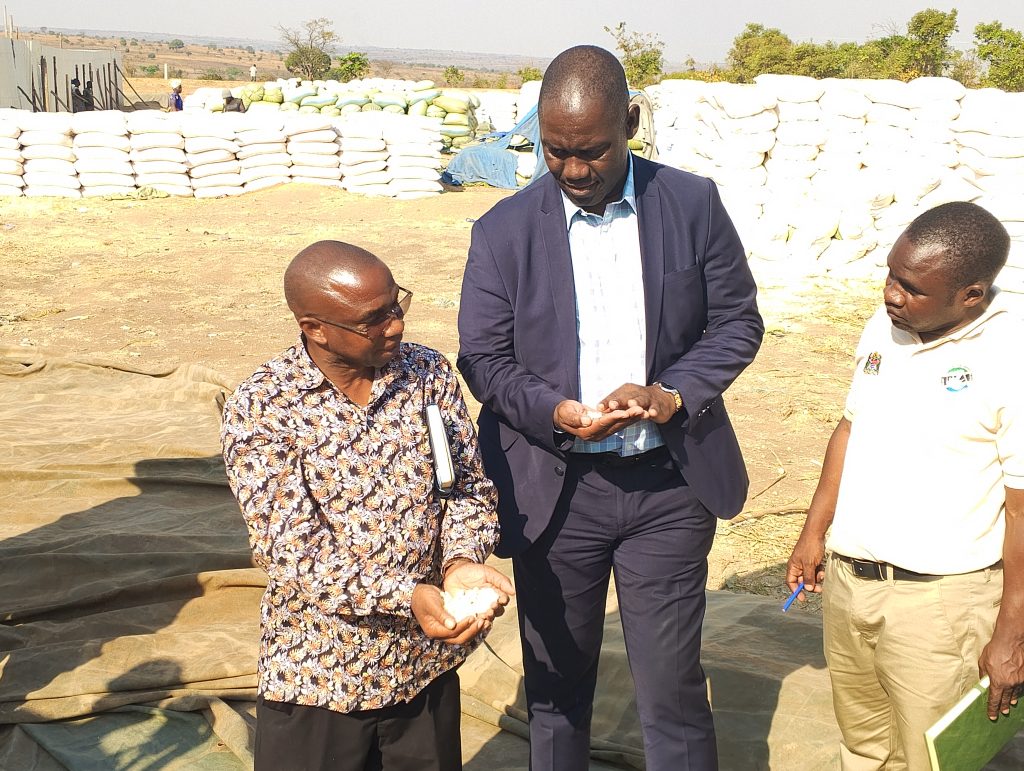
As per the set plans, according to him, NFRA will purchase and store the tonnages of sugar in different phases, added: “According to the instructions we have been given, we’re going to purchase the emergency sugar from different sources within the country, and automatically, the sugar for filling the existing gape in the country will be imported from outside the country,”
In more efforts to stabilize performance of the Agency, Dr Komba said NFRA will in this year start purchasing from the farmers and preserve more crops, these include peas, beans and lentils, being apart from sugar, maize grains, paddy and sorghum.
“The sixth-phase government is working round the clock to ensure NFRA becomes the best food reserving agency across the continent, and this can be evidenced from the diverse potential directives we’re keep on receiving from the government focusing to elevate our performance and status, apart from the increased budget allocations,” the CEO observed.
For instance, he said President Dr Samia Suluhu Hassan has directed NFRA to start sourcing more funds through food bonds, the development which will now open possible niches for giant investors to chip in and invest billions of money for capacitating the agency’s ability to purchase cereals.
“And apart from the bonds, currently we’re also working to start acquiring loans from financial institutions, the loans that we will be taking in the form of business loans, and later refunding the banks after selling the cereals,” he unveiled.
Through the helpful system, he said the government has already greenlighted the Agency to take a loan of around 464bn/- to help elevate its food purchasing capacity.
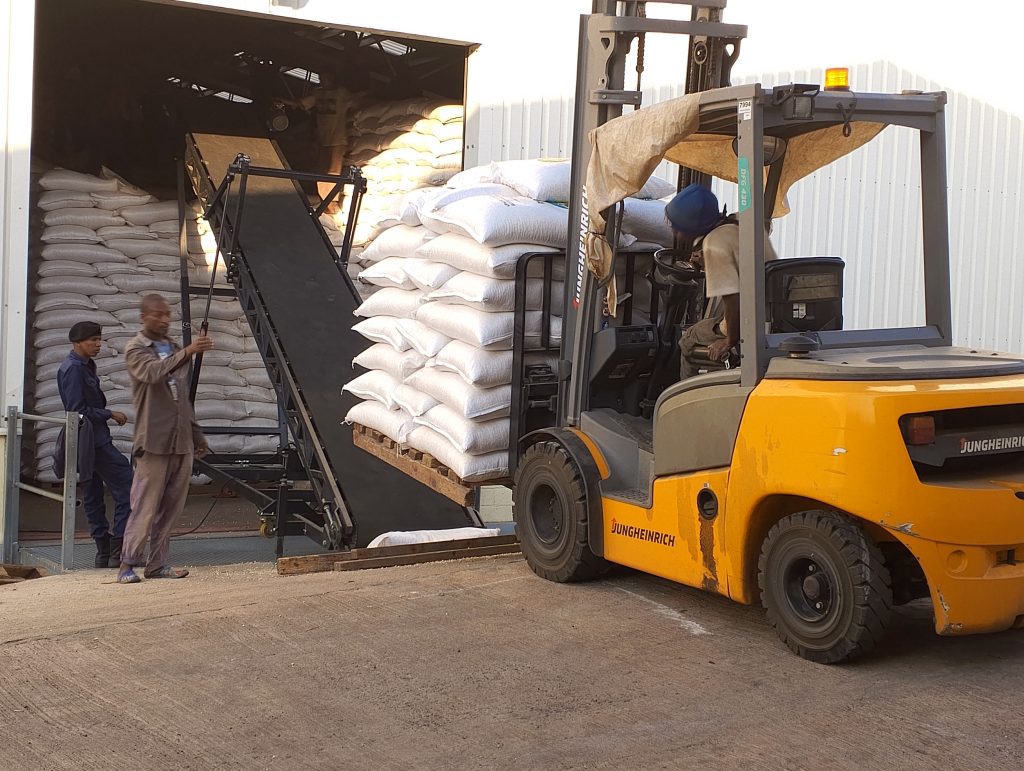
Dwelling on other ongoing plans to facelift the facilities and performance at NFRA, Dr Komba detailed that the agency will spend a total of 35bn/- to implement a major project for the construction of new modern warehouses, as well as renovation of others cereal storage facilities at its diverse centers across the country.
The envisaged initiative, according to him will entail construction of twelve new major warehouses with capacity to reserve at least 50,000 tons, and renovation of six cereals storage towers at different zones, including Sumbawanga, Dar es Salaam, Songea and Arusha.
“Currently, NFRA has the general capacity to store around 365,000 tons at its own facilities, but completion of the project will see the agency reserve up to 700,000 tons by June next year.
He added, the ministry of agriculture is working to see NFRA reserve a total of 3million tons of cereals by 2030, saying implementation of the project was aiming to have the ministry’s set goal materializing, among others.
“As part of strategies to help attaining the set goal for the expansion of NFRA’s storage capacity, the ministry of agriculture has been giving us more warehouses, whereby we have also acquired at least 19 warehouses from the Tanzania Initiative for Preventing Aflatoxin Contamination (TANIPAC),” he expressed.
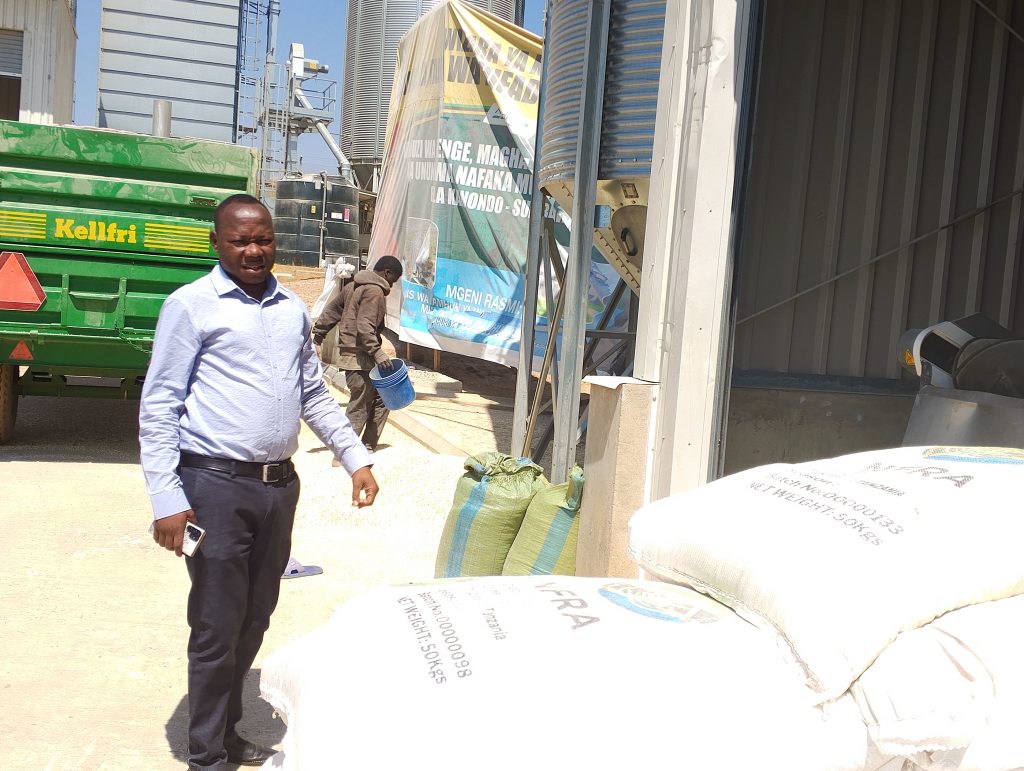
Together with that, Dr Komba said NFRA will also resume with implementation of the halted project for the construction of modern silos in the regions of Ruvuma, Songea, Songwe, Shinyanga, Dodoma, and Makambako.
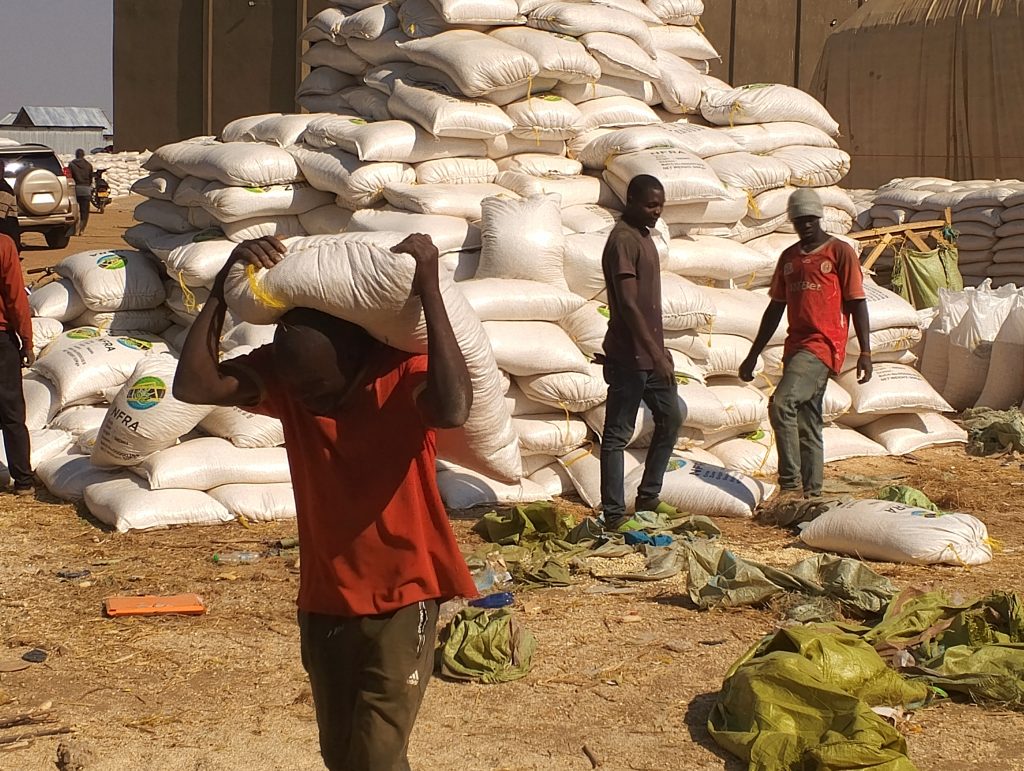
“Since when President Dr. Samia Suluhu Hassan directed us to buy maize grains and paddy from the farmers at an impressive price of 700/- and 900/- respectively per one kilogram, we have kept on receiving a huge volume of maize grains from the farmers.
And in order to ensure the Agency purchasing all surplus cereals crops from the farmers, he said contrary to the past years, the NFRA’s Advisory Board has directed the agency continue purchasing the cereals up to February next year, and will mull over the possibility to extend the buying season up to next year’s agricultural harvesting season.
“The president has injected us with a sufficient budget to help purchase and reserve enough cereals and thus, we are working to ensure the money is being used patriotically and effectively to meet the deserved purpose,” he said.
He hailed president Samia for her patriotic move to heighten the subsidy budget for purchasing maize grains, detailed: “Three years ago the budget for NFRA’s was enabling to purchase only around 100,000 tons of maize grains, but currently we’re purchasing around 1,000,000 tons annually,”
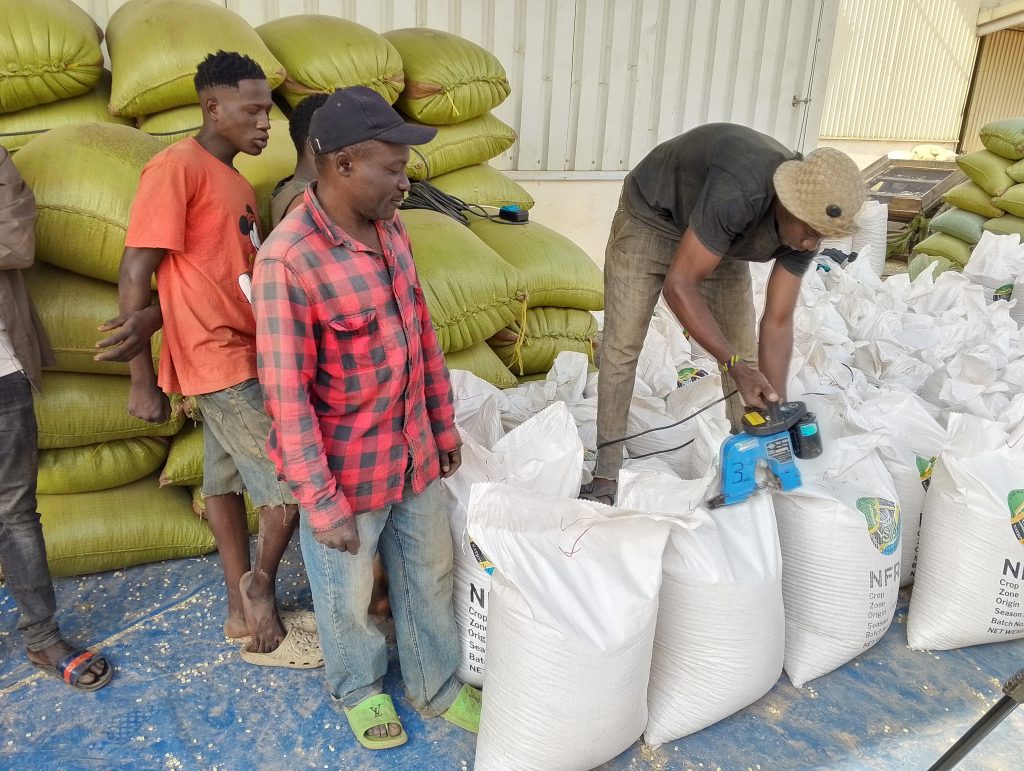
Dr Komba said in the current season, NFRA has set to purchase more food tonnages in order to cater for expanded market demand for cereals in the neighboring countries.
These, according to him, include 650,000 tons of maize grains for the Zambia market, 500,000tons for Congo and at least 100,000 tons to facilitate the World Food Programme (WFP) market, bringing the overall tonnages to around 1,850,000.
“We’re also planning to purchase 100,000 tons of paddy and a total of 50,000 tons of sorghum, “he added.
Currently, NFRA operates 72 purchasing points across eight regions—Dodoma, Dar es Salaam (Kipawa), Njombe (Makambako), Songwe, Rukwa (Sumbawanga), Arusha (Babati), Shinyanga and Songea.
The second tier involves purchasing grain in quantities of 2,000 tonnes or more from large-scale traders, while the third tier includes buying from cooperative societies where farmers aggregate their produce.