




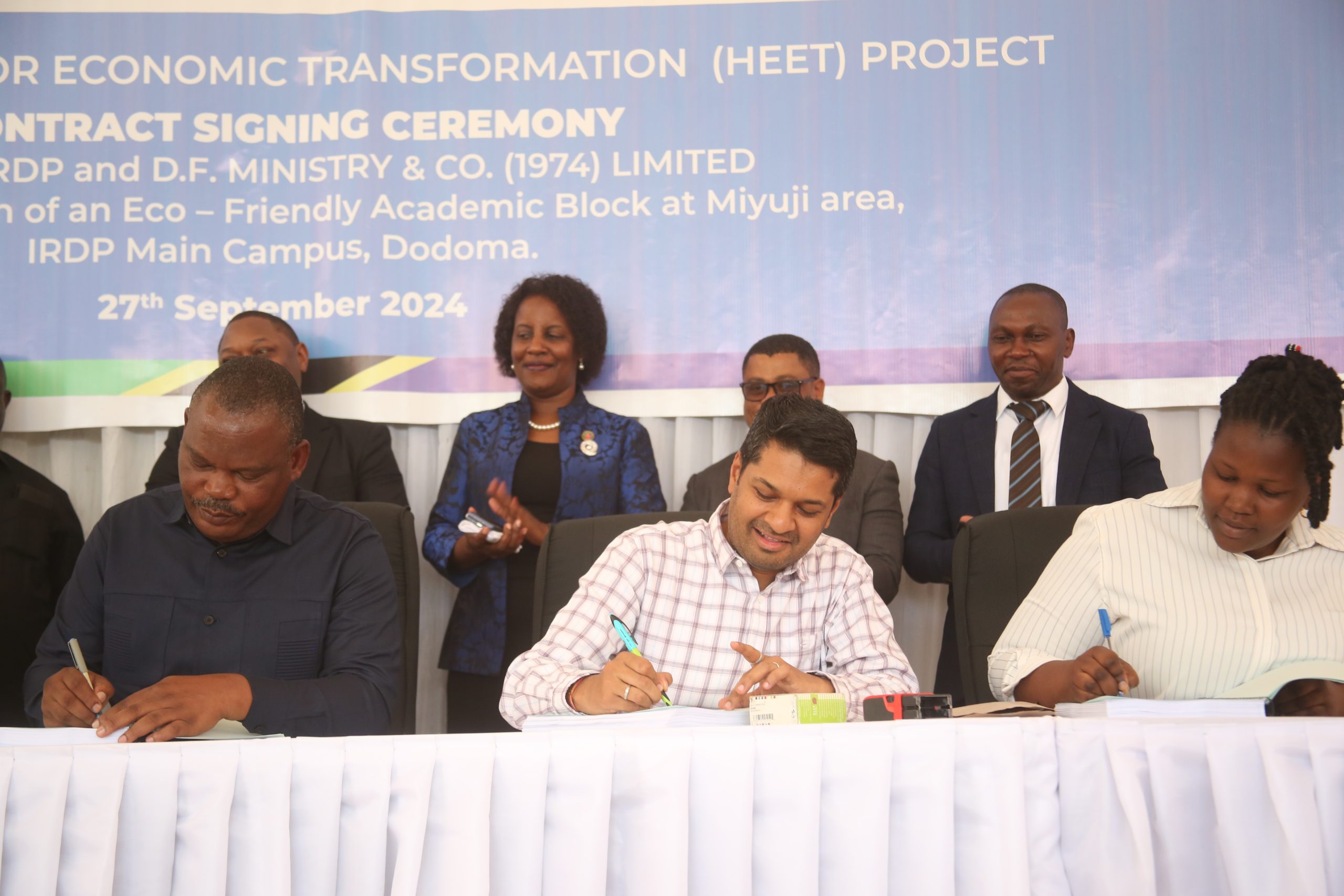
Rector for the Dodoma-based Institute of Rural Development Planning (IRDP), Prof Hozen Mayaya (left) and the Director of D.F Ministry & Co (1974) Limited, Bhavesh Mistry (Center) signs contact for the construction of the eco-friendly academic block at the IRDP’s main campus in Miyuji area.
By Senior Reporter VALENTINE OFORO
THE Institute of Rural Development Planning (IRDP) has inked a crucial contract with the D.F Ministry & CO (1974) Limited for the construction of Eco- Friendly Academic Block at the Institute’s main campus in Miyuji area, popularly known as ‘The 4-hactares’.
Expecting to gobble up to 6bn/- upon its completion, the modern three- storey structure to be installed at the fringe of Dodoma Capital City will have a general capacity to cater for over 1,700 students at once.
Funds for supporting the project has been sourced from the Higher Education for Economic Transformation (HEET) Project, the five-year program under the Ministry of Education, Science and Technology (MoEST), being implemented in sync with Word Bank (WB) for the general purpose to improve and transform the higher education sector in Tanzania.
Detailing over the initiative during the project’s contract signing ceremony held over the weekend, Prof Hozen Mayaya, the IRDP’s Rector said the envisaged state-of-the-art structure will comprise with several different key departments, with an eye to improve and digitalizing teaching – learning process at the popular state- owned varsity.

According to him, the wider block will incorporate two major conference halls at the ground floor with capacity to accommodate 602 students at a go.
“The ground floor will also comprise with five ICT offices, each with capacity to shelter between three and five staff members,” the Don expressed.
Giving more details pertaining to the project, Prof Mayaya expressed that at the first floor, the plan is to install two main studio rooms to accommodate 702 students, as well as 22 pit latrines, whereby the second flat will involve one studio room with capacity to harbor a total of 399 students, and the modern ICT room for accommodating 88 students.
And as per construction plan, he said the third (upper flat) will see installation of 19 offices for sheltering 78 teachers, together with special rooms to cater for basic human amenities, including cafeterias and toilets.
“The project focuses to amplify the institute training quality through maximizing teaching – learning facilities, together with expanding the college’s capability to host students at its academic blocks,” he said.
In the near future, he said there’s plan to install a major hostel at the campus with capacity to accommodate a total of 400 students, saying currently the area has potential to host a total of 644, which s below to the number of available students, which stands at 949.
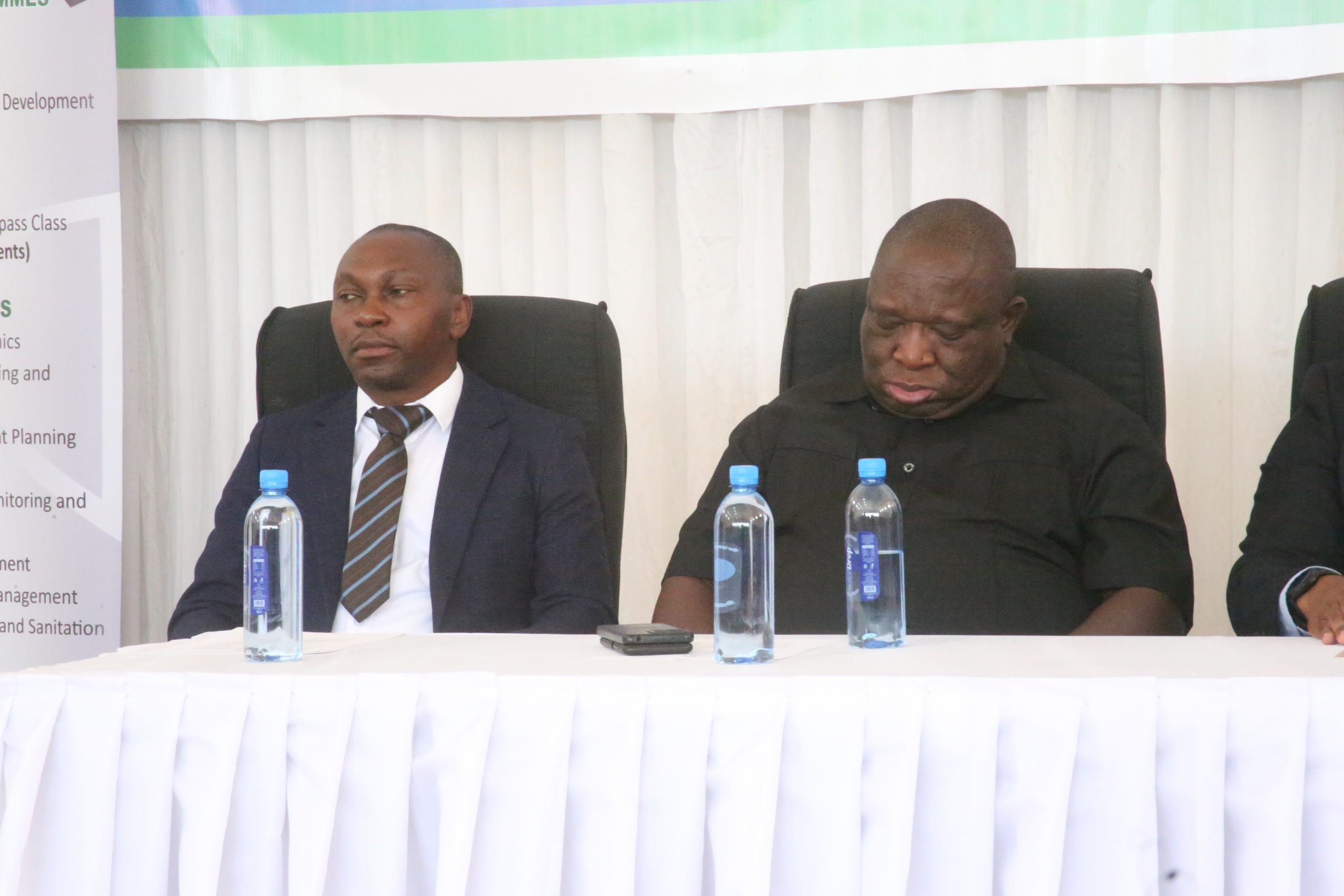
He hailed the sixth phase government for continuing injecting the varsity with enough financial budget, the development which has been enabling implementation of a series of useful projects, meant to expand and scaling up the college’s training standards.
“Among the other projects we have so far managed to accomplish through financial assistances from the government include development of our Mwanza-based campus, and the main campus in Miyuji Dodoma whereby a number of projects is currently continuing to take shape,” the Don said.
At the Miyuji campus, he said the implemented projects that have so far been completed were construction of three major hostel with capacity to shelter 600 students, two academic blocks with accommodation capacity of 1,774 students.
“Other projects we already implemented include construction of four new modern hostels, each with capacity to accommodate at least 192 students, lecture theatres with capacity to shelter 430 students, as well as two major classrooms, each with capacity to harbor 231 students.
For his part, IRDP’s Deputy Rector (Academic, Research and Consultancy), Prof. Provident Dimoso informed that the institute was implementing a total of five development projects using Internal Generated Funds (IGF).
“The projects include construction of an administration block at Kitumba, Lake Zone in our Mwanza-based training center at the tune of 397,482,925.43 and construction of a mini-library worth 400,000,000.00,” he unveiled.
Dwelling on more information over the projects, Dimoso added that the other projects being implemented under IGF include construction of cafeteria at Kitumba, at the cost of 435,239,691.45, compensation of 59.07 acres of land at Kitumba, Lake Zone training center at around 1,728,039,000.00 and compensation of 636.64 acres at Nala/Chigongwe in Dodoma city worth at 1,080,411,600.00.
“We’re implementing these entire projects through our internally generated funds with an eye to expanding student’s accommodation structures and staff offices. However, we’re very happy for the patriotic manner to which the government through the ministry of finance and planning has always been supporting us in implementing key projects,” he appreciated.
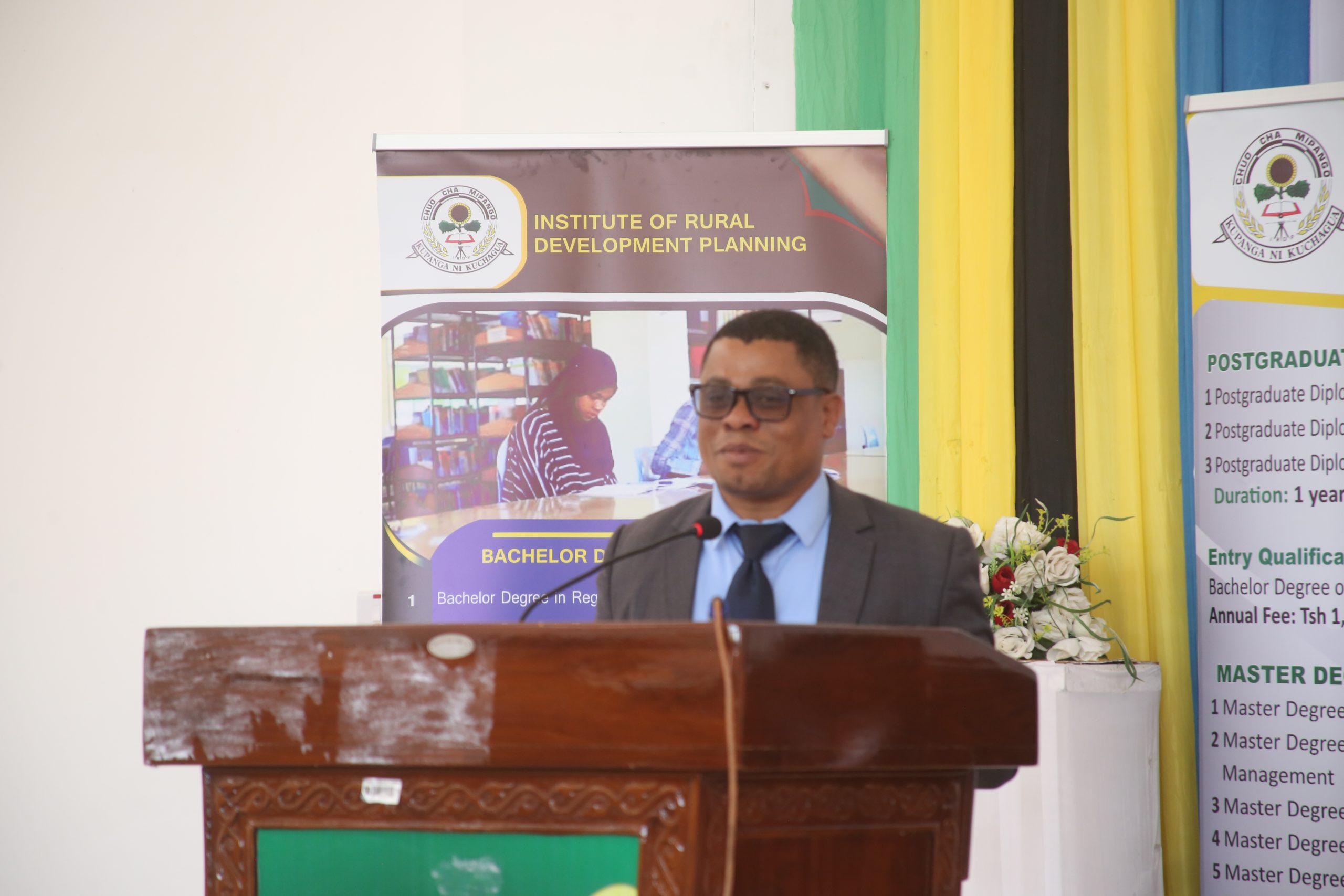
Together with that, Prof Dimoso said the fast-growing varsity has impressive improved its library services by increasing subscription to various online resources such as EBSCOHOST, EMERAID, AGORA, HINARI, OARE, GOAL, ARDI, OMEKA, KOHA and TEEAL.
The major objective of HEET project is to increase enrolment and improve the quality and labor market relevance of degree programs in priority disciplines of 18 selected public universities and institutions while improving governance and management of the higher education system.
The project invests in infrastructure for modern and effective teaching and research, and by training to the highest standard the lecturers, researchers, and administrators needed by universities.
Among others, the robust initiative has been tailored to revitalize and expand the capacity of universities to contribute to key areas for innovation, economic development, and labor market relevance, by investing in requisite infrastructure for modern and effective teaching and research, and by training to the highest standard the teachers, researchers and administrators needed by universities to achieve to their full potential.
The Institute of Rural Development Planning (IRDP) is a corporate body established by the Parliamentary Act No. 8 of the 1980s. Since its establishment, IRDP has been shaping destinies in planning and research methodologies focusing on the future prosperity of its students.
About The Author
