












The 20th- Anniversary celebration serves as a key moment to reflect on the WRRB’s institutional journey, recognize critical milestones and partnerships, and reaffirm its commitment to empowering farmers, depositors, and stakeholders across the value chain.
DODOMA. THE Warehouse Receipts Regulatory Board (WRRB), a cornerstone institution in Tanzania’s agricultural marketing and trade ecosystem, is celebrating its 20th anniversary with a series of significant milestones to commemorate.
Since its establishment, the WRRB has played a pivotal role in regulating and strengthening the Warehouse Receipt System (WRS), contributing substantially to enhanced transparency, reliability, and inclusivity in the country’s agricultural trade.

Mr. Asangye N. Bangu, The WRRB’s Managing Director
In a briefing on the Board’s achievements over the past two decades, the WRRB’s Managing Director, Mr. Asangye N. Bangu, highlighted that the institution has empowered farmers by promoting secure storage of agricultural produce, improving access to finance through warehouse receipts, and fostering greater participation in structured markets.
“The system has enabled better price discovery, reduced post-harvest losses, and improved farmers’ incomes,” he stated.
Mr. Bangu shared these remarks during a specially organized press conference to outline the Board’s contributions to farmers and the broader agricultural sector.
“Depositors and financial institutions have equally benefited from reduced risks, improved confidence in commodity-backed transactions, and a well-regulated trading environment,” he added.
He further emphasized that the WRRB’s work has actively supported national agricultural and economic development goals.
“Government institutions, private sector actors, and development partners continue to rely on the Board as a trusted regulator that promotes accountability, protects depositor interests, and ensures integrity within the agricultural marketing system,” he noted.
The 20th- Anniversary celebration serves as a key moment to reflect on the WRRB’s institutional journey, recognize critical milestones and partnerships, and reaffirm its commitment to empowering farmers, depositors, and stakeholders across the value chain.
“We are celebrating this anniversary with an eye toward providing a platform for national recognition while fostering dialogue on the future sustainability, innovation, and expansion of the Warehouse Receipt System,” Mr. Bangu explained.
He added that the commemoration aims to strengthen trust in the WRRB as a credible and accountable regulator, promote inclusive and sustainable agricultural trade, and reinforce stakeholder ownership of the Warehouse Receipt System as a shared national asset.
According to him, the event will also create space for policy dialogue and reflection on emerging challenges and opportunities within Tanzania’s rapidly evolving agricultural and financial landscape.
Held in Dodoma, the capital city, the anniversary event attracted government leaders, policymakers, farmers’ organizations and cooperatives, financial institutions, private sector representatives, development partners, media, and members of the public.
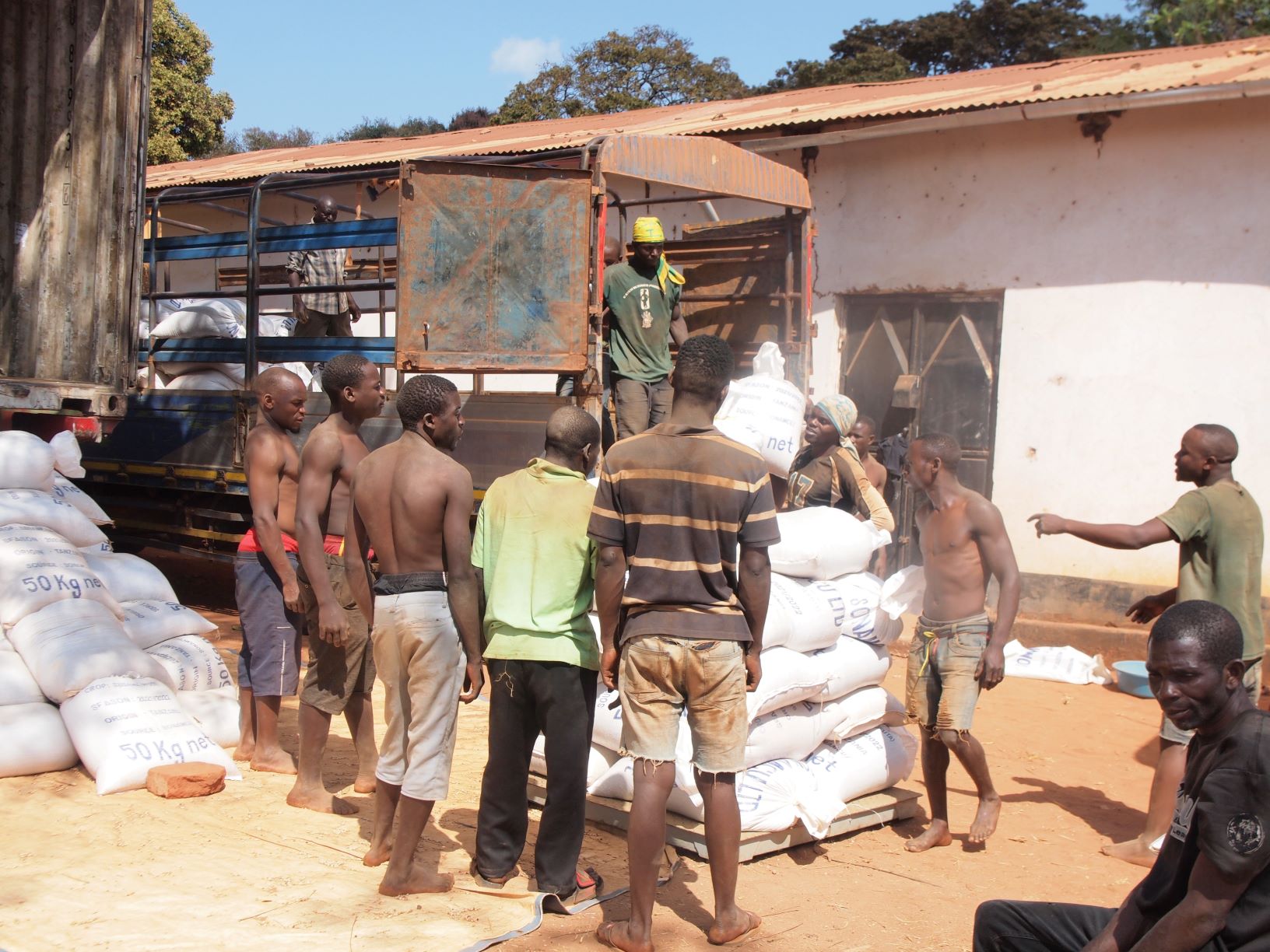
Through this engagement, the WRRB seeks to enhance collaboration, align stakeholder priorities, and present its strategic outlook for the future—including digitalization, system expansion, and closer alignment with national development strategies.
“As the WRRB marks this milestone, it reaffirms its commitment to transparency, integrity, and fairness in agricultural trade,” Mr. Bangu emphasized.
The 20th-Anniversary celebration stands as a foundation for sustained impact beyond the event—strengthening trust, improving system performance, and supporting long-term agricultural transformation and economic development in Tanzania.
ABOUT WRRB
WRRB is a government institution in the United Republic of Tanzania that regulates, promotes, and administers the Warehouse Receipts System (WRS).
It operates under the Ministry of Industry and Trade and is headquartered in Dodoma.
Core Functions and Role
The WRRB was established under the Warehouse Receipts Act No. 10 of 2005 (as amended in 2015) to manage a system that allows farmers and traders to store their commodities in licensed warehouses and use the resulting receipts as collateral for financing and trade.
Its primary functions include:
-Licensing warehouse operators, collateral managers, and inspectors.
-Regulating the WRS to ensure quality and operational standards are met.
-Promoting the use of the WRS to improve agricultural trade efficiency, enhance market access, and ensure price stability.
-Supporting the development of commodity finance by making it easier for farmers and businesses to access loans using their stored produce as collateral.
-Market Oversight: Enhancing market transparency and linking farmers to structured markets to improve trade efficiency and ensure fair prices.
About The Author