
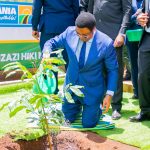








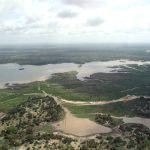

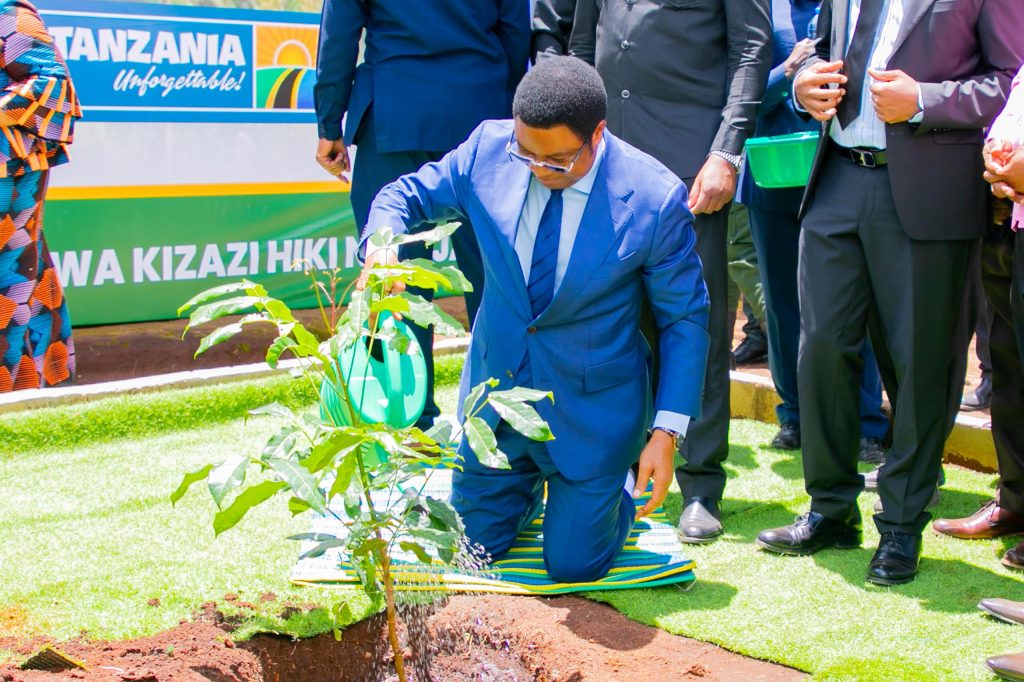
In the southern zone which encompassing at least three districts of Mtwara, Ruvuma, and Lindi, TFS manages 65 different forests, covering a total area of 1,601,896.59 hectare
MTWARA: THE Tanzania Forest Service Agency (TFS) in Mtwara region has successfully produced over two million seedlings of various tree species.
The development focuses to boost forest and bee resources, promote eco-tourism, and support forest-based industries, including timber, across southern Tanzania.
This effort underscores the government’s commitment on environmental conservation and the sustainable development of forestry sectors.
The zone, encompassing at least three districts of Mtwara, Ruvuma, and Lindi, is home to approximately 65 different forests, covering a total area of 1,601,896.59 hectares.
These include three mangrove forests (57,388.80 ha), four natural forest reserves (139,808.27 ha), three plantations (63,084.10 ha), and 55 forest reserves.

Ms. Lightness Chale
Briefing the publication over these achievements, TFS Conservation Officer II for the southern zone, Ms. Lightness Chale, noted that the southern zone target for the 2025/26 period was to produce 2,018,000 seedlings.
“So far, we have surpassed our seedling production target and have already distributed over 1.4 million seedlings to the ten TFS tree nurseries in the zone for further rollout,” she stated.
She added that the free tree distribution scheme has been well-received by local communities, with most seedlings provided to primary and secondary schools, as well as various institutions.
Among the popular species distributed are avocado, mango, papaya, and various timber-producing trees.
She was speaking during a briefing for reporters ahead of the International Day of Forests, scheduled for March 21, 2026.
Mr. Ashraf Hussein, Senior Assistant Forest Officer for Mtwara district, highlighted that the agency is implementing a special community-focused initiative on tree planting and forest conservation.
“In addition to distributing trees free of charge, we are also raising public awareness on forest preservation to ensure effective management of forest resources, protect biodiversity, and support climate resilience projects,” he explained.
Mr. Hussein pointed out that the district’s three main forest reserves provide livelihoods for many households.
“These key environmental resources are helping to alleviate poverty, especially among women who are actively involved in apiculture,” he said.
He identified the Ziwani, Naliendele, and Mangrove forest reserves as vital assets in the area.
“The benefits of these forests are wide-ranging, particularly due to the presence of mangroves, which are crucial for fish feed production, carbon sequestration, and other ecological services,” Mr. Hussein noted.
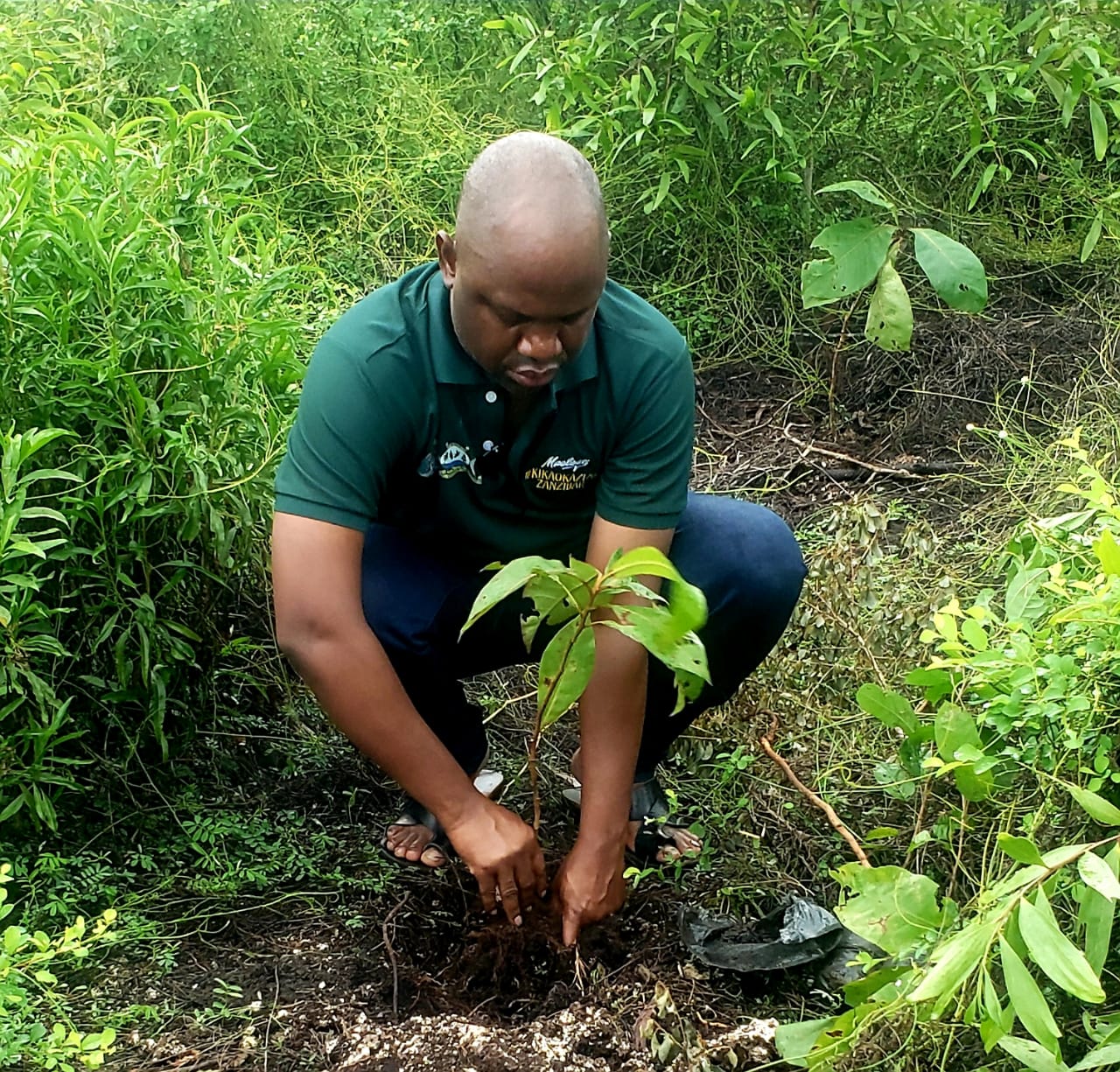
He added that TFS is implementing a strategy to restore mangrove forests, with four hectares already replanted.
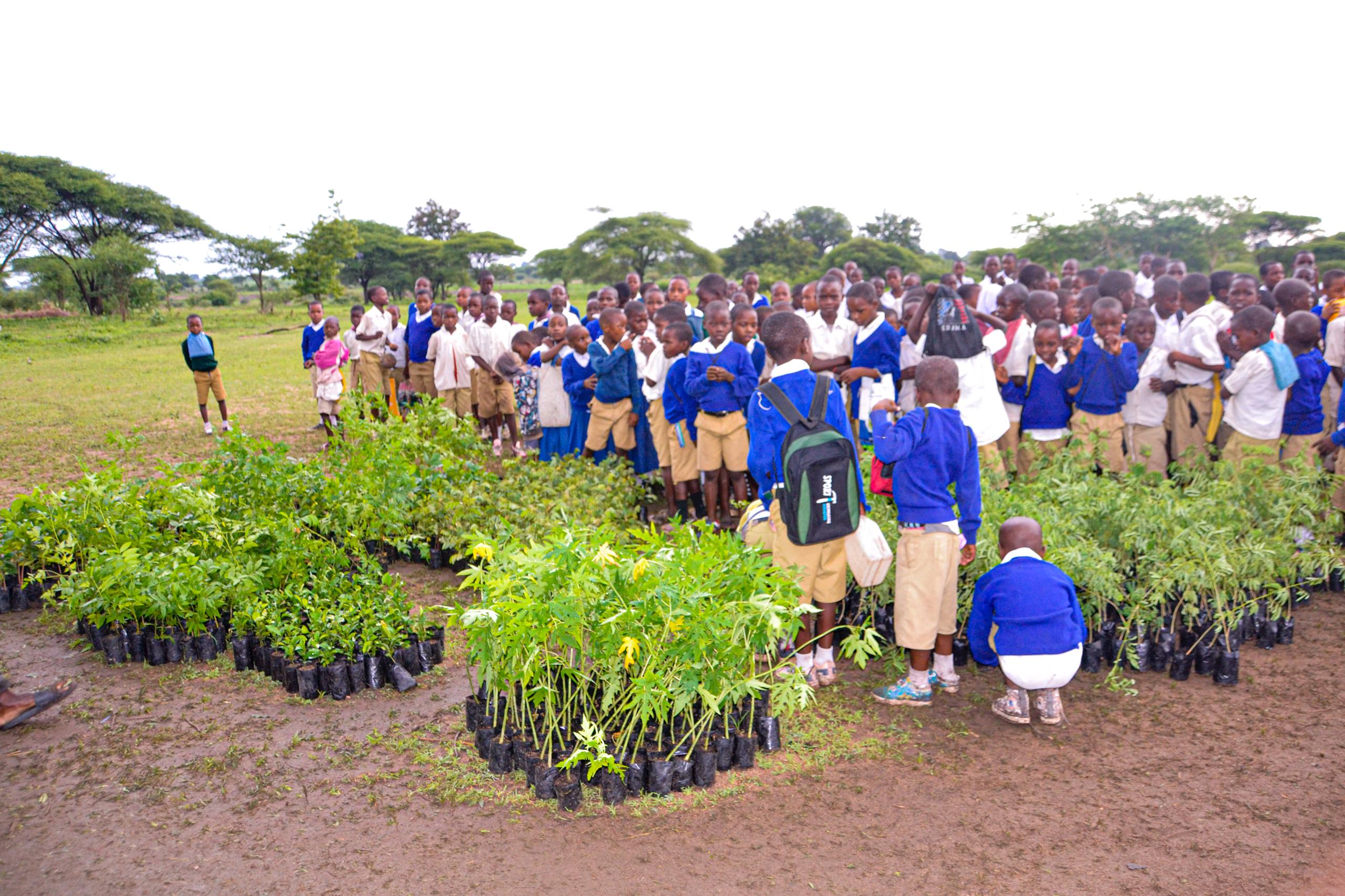
At Shangani Secondary School in Mtwara-Mkindani Municipal Council, 4,000 timber trees and 600 fruit trees have been planted.
Mr. Paul Ndomba, a geography teacher at the school, mentioned that the institution is collaborating with TFS to instill a tree-planting culture among students.
“We are doing our best to mentor students in tree planting and environmental care. The timely support from TFS officers has been instrumental in smoothly running our tree-planting programs,” he said.
This year’s International Day of Forests, to be observed nationally in Lindi district, carries the theme “Forests and Economies.”
At the heart of Tanzania’s forest management efforts is the Tanzania Forest Services Agency (TFS), a semi-autonomous body established in 2010.
Tasked with the sustainable management, conservation, and utilization of forest and bee resources, TFS oversees 14.5 million hectares of forest reserves, including 465 protected areas and over 24 active industrial plantations.
About TFS in Southern Zone
The Tanzania Forest Services (TFS) Agency Southern Zone, headquartered in Masasi District, Mtwara Region, manages forest and bee resources.
It focuses on sustainable forest management, conservation enforcement, and promoting tourism, notably in the Pondiro Nature Forest Reserve in Kilwa District.
Key Focus Areas: Forest protection, management of nature reserves, and promoting biodiversity-based tourism.
Key Projects: Development of the Pondiro Nature Forest Reserve (12,249 hectares) in Kilwa, known for its rare albino hippopotamus and migratory animals.
Climate Action: Implementation of projects aimed at strengthening resilience against climate change.
Other Southern Area Presence: The Southern Highland Zone, managed separately, is located in Mbeya.
About The Author
